
Key Takeaways
- Tailor your irrigation strategy to soybean growth stages for optimal water use efficiency and yield potential.
- Invest in soil moisture monitoring tools to make data-driven irrigation decisions.
- Early growth stages need less water. Soybeans use more water during flowering and pod formation. These stages are critical for good yields.
- Consider deficit irrigation during less sensitive growth stages to conserve water without significantly impacting yield.
- Explore advanced techniques like PRD and SDI to further improve water use efficiency.
This article is aimed as a very surface level overview of the crucial stages of soybean crop development and the irrigation requirements in each stage. Experienced soybean farmers will already be well aware of all this data, so for their purposes this is more of a handy reference guide rather than teaching anybody to suck eggs. However, for anybody new to implementing smart irrigation we hope this serves a useful first step reference point.
Soybean Growth Stages: From Planting to Harvest
Vegetative Stages: Early Growth – Seeds to Leaves
• VE: Seed breaks through soil
• V1: First set of true leaves unfold
• V2: Second set of leaves appear
• V3: Third set of leaves develop
• V4: Fourth set of leaves emerge
• V5: Fifth set of leaves form
Reproduction Stages: Flowering to Pod Fill
• R1: Flowers start to bloom
• R2: Full bloom stage
• R3: Pods begin to form
• R4: Pods grow to full size
• R5: Seeds start developing in pods
• R6: Seeds fill the pods completely
• R7: Pods begin to mature and dry
• R8: Pods reach full maturity
These stages mark important points in your soybean crop’s life cycle. Each phase has unique water and nutrient needs. Understanding these can help you manage your fields better.
Tailoring Water Application to Soybean Lifecycle

| Growth Stage | Growth Focus | Water Needs | Irrigation Strategies |
|---|---|---|---|
| VE (Emergence) | Emergence of seedlings. Establishing initial root system. | Low to moderate. Avoid waterlogging. | Maintain soil moisture at 50-60% of field capacity. Prevent waterlogging to encourage strong root establishment. |
| V1 (First Node) | First trifoliate leaves appear. Root system begins expanding. | Moderate. Ensure consistent moisture. | Light irrigation to maintain soil moisture. Avoid excessive water that could hinder root elongation. |
| V2 (Second Node) | Second trifoliate fully developed. Nodulation begins. | Moderate. Steady water availability. | Regularly monitor soil moisture and ensure consistent irrigation to avoid stress during early nodulation. |
| V3 (Third Node) | Third trifoliate appears. Roots deepen. | Moderate. Support root and shoot growth. | Increase irrigation slightly if necessary to support deeper root growth and expanding canopy. |
| V4 (Fourth Node) | Fourth trifoliate fully expanded. Prepares for rapid growth. | Moderate to slightly higher than V3. | Maintain consistent soil moisture, but avoid waterlogging as plants prepare for reproductive stages. |
| V5 (Fifth Node) | Fifth trifoliate fully expanded. Rapid vegetative growth. | Moderate to slightly higher. | Gradually increase irrigation to support vegetative growth, ensuring deeper soil layers remain moist. |
| R1 (Beginning Bloom) | First flowers visible. Transition to reproductive stage. | High. Critical for reproductive success. | Ensure consistent irrigation to prevent stress that could affect flowering. Monitor soil moisture closely. |
| R2 (Full Bloom) | Full flower stage. High reproductive activity. | High. Increased water demand. | Regular irrigation to maintain soil moisture. Focus on preventing stress that could cause flower drop. |
| R3 (Beginning Pod) | Pods start forming at the upper nodes. | High. Very sensitive to water stress. | Apply irrigation frequently to maintain soil moisture and support pod development. |
| R4 (Full Pod) | Pods fully formed but seeds not yet developed. | Very high. Critical water demand. | Ensure ample soil moisture through consistent irrigation. Avoid water stress to prevent yield loss. |
| R5 (Beginning Seed) | Seeds start forming inside pods. Maximum water demand. | Peak water demand. Extremely critical. | Maintain optimal soil moisture with frequent irrigation. Water stress can severely impact seed fill and overall yield. |
| R6 (Full Seed) | Seeds reach full size. Pod fill completes. | High. Continue meeting water needs. | Continue regular irrigation, ensuring soil moisture supports seed filling. |
| R7 (Beginning Maturity) | Pods begin changing color. Dry matter accumulation slows. | Reduced water needs. Transition stage. | Gradually reduce irrigation but avoid drying out plants completely. |
| R8 (Full Maturity) | 95% of pods reach mature color. Ready for harvest. | Minimal. Plants dry naturally. | Discontinue irrigation as plants dry for harvest. Monitor for any late-season rains affecting harvest timing. |
For more details see our soybean growth stage irrigation checklist at https://aguafox.com/soybean-irrigation-checklist-by-growth-stage/
Tracking Soil Water Content
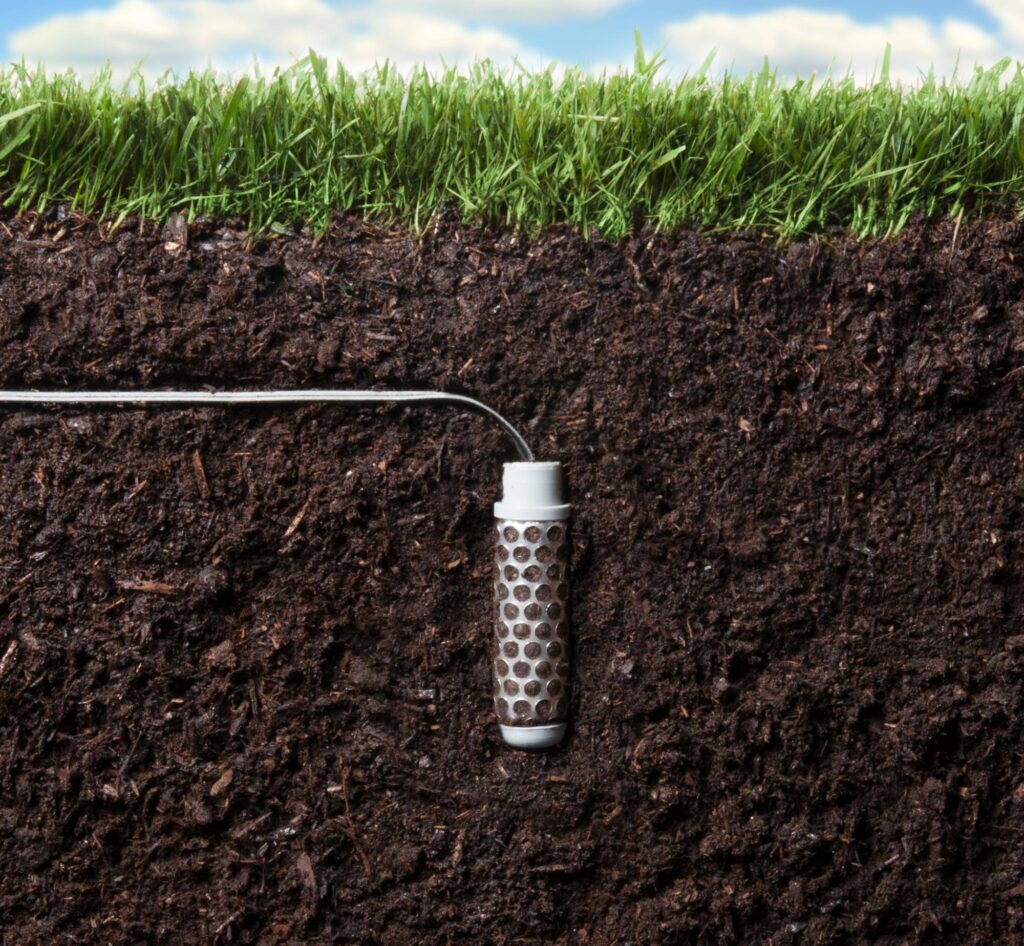
Keeping tabs on soil moisture is key for smart soybean irrigation. You can use tools like soil moisture sensors to monitor water levels in the root zone. This helps you know when to water and how much.
Sensor types include:
- Tensiometers
- Gypsum blocks
- Capacitance probes
Place sensors at different depths to get a full picture of soil moisture. Check readings regularly and adjust your watering plan as needed.
Using Weather Data to Plan Watering
Weather patterns greatly impact when soybeans need water. You can use local weather forecasts and historical data to make smart irrigation choices. Key factors to track:
- Rainfall
- Temperature
- Wind speed
- Solar radiation
Many smart irrigation systems can pull in weather data automatically. This allows for real-time adjustments to watering schedules based on current conditions.
Matching Water Needs to Plant Stage
Soybean water needs change as the plants grow. You should adjust your irrigation plan for each growth stage:
- Germination and emergence: Light, frequent watering
- Vegetative growth: Moderate watering
- Flowering and pod development: Increased watering
- Seed filling: Peak water demand
- Maturity: Reduced watering
Timing irrigation to match these stages helps optimize yield while conserving water.
Water-Saving Irrigation Techniques
You can use deficit irrigation to save water without hurting yields too much. This means giving plants slightly less water than ideal at certain times. Some strategies:
- Early season stress: Limit water early on to encourage deeper roots
- Partial rootzone drying: Water only part of the root zone, alternating sides
- Regulated deficit irrigation: Reduce water during less sensitive growth stages
These methods can help you use water more efficiently. But be careful not to stress plants too much during critical periods like flowering and pod fill.
Tackling Common Obstacles

Diverse Soil Conditions
Soybean fields often have different soil types across the area. This can make watering tricky. You need to adjust your irrigation plan for each soil type. Sandy soils need more frequent but lighter watering. Clay soils can hold water longer, so you can water less often but with more volume.
Try these tips:
• Use soil moisture sensors in different field areas
• Create irrigation zones based on soil types
• Adjust watering schedules for each zone
Saving Water While Maximizing Yields
You want high yields, but you also need to use water wisely. It’s a tough balance. Focus on key growth stages when soybeans need water most. These are usually the mid to late reproductive stages.
Water-saving ideas:
- Use drip irrigation or precision sprinklers
- Water early in the morning to reduce evaporation
- Check weather forecasts to avoid watering before rain
Working With Limited Equipment
Not all farms have the latest irrigation tech. You can still improve your watering strategy with basic equipment. If you have older sprinklers, maintain them well. Replace worn nozzles and fix leaks promptly.
Smart moves for basic setups:
• Upgrade to pressure regulators for even water distribution
• Install timers to automate watering schedules
• Use soil moisture probes to guide your watering decisions
Remember, even simple improvements can make a big difference in your soybean irrigation efficiency.
Adjusting Your Approach

Dealing with Dry Spells
When facing drought, you need to be extra careful with your soybean irrigation. Focus on the most critical growth stages, which are usually the mid to late reproductive phases. Use soil moisture sensors to track water levels closely. Consider these tips:
- Water deeply but less often to encourage deep root growth
- Apply mulch to reduce evaporation
- Use deficit irrigation techniques if water is very limited
Managing Excess Moisture
In unusually wet years, your irrigation strategy needs to shift. Too much water can be just as harmful as too little. Keep these points in mind:
- Check soil drainage regularly
- Adjust your irrigation schedule to avoid overwatering
- Be prepared to skip planned waterings if natural rainfall is sufficient
Pay close attention to signs of waterlogging, such as yellowing leaves or stunted growth.
Coping with Extreme Heat
High temperatures can stress soybean plants and increase water needs. During heat waves:
- Water early in the morning or late in the evening to reduce evaporation
- Increase irrigation frequency but maintain appropriate total water amounts
- Monitor for heat stress symptoms like leaf curling or wilting
Consider using shade cloth or row covers for short periods if temperatures are extremely high.
Advanced Soybean Irrigation Methods

Root Zone Moisture Management
This technique involves wetting only part of the root system. You alternate dry and wet areas to improve water use. Plants send chemical signals from dry roots to leaves. This cuts water use while keeping good yields.
To use this method:
- Set up two drip lines per row
- Water one side at a time
- Switch sides every 7-10 days
Benefits include:
- Up to 30% less water used
- Better drought tolerance
- Improved crop quality
Underground Water Delivery
This system puts pipes below the soil surface. It sends water right to soybean roots. You lose less water to evaporation. Weeds also get less moisture.
Key points:
- Pipes are 12-18 inches deep
- Water use can drop by 25%
- Crop yields may increase
You’ll need to flush lines yearly and check for clogs. But it can last 10-20 years with good care.
Satellite and Drone Monitoring
You can use images from above to check crop health. This helps target irrigation needs. Special cameras show water stress before your eyes can see it.
Tools you might use:
- Normalized Difference Vegetation Index (NDVI)
- Thermal imaging
- Multispectral sensors
These tools help you:
- Spot problem areas quickly
- Save water by irrigating only where needed
- Track crop growth stages
By using these advanced methods, you can fine-tune your soybean irrigation. This leads to water savings and better yields.
Hands-On Irrigation Activities
Plan Your Soil Moisture Checks
Create a schedule to check soil moisture at key soybean growth stages. Use tools like moisture sensors or the feel method. Track readings in a log. Adjust your plan based on weather and crop needs.
Make a Watering Timeline
Build a calendar showing when to irrigate soybeans. Include growth stages, expected rainfall, and soil type. Mark critical periods like flowering and pod fill. Adjust as the season progresses.
Review Your Water Use
Measure how much water you’re using to irrigate. Check for leaks and inefficiencies. Calculate water applied per acre. Compare your use to local recommendations. Find ways to improve efficiency.
Test Different Watering Methods
Try out various irrigation strategies on small plot areas. Options include:
- Full season irrigation
- Reduced early-season watering
- Stress at specific growth stages
Track yields and water use. Compare results to find the best approach for your farm.
General Tips for Soybean Smart Irrigation:
- Check soil moisture regularly
- Water deeply but less often
- Avoid watering leaves to prevent disease
- Time irrigation for early morning
- Pay extra attention to watering from the R2 to R6 stages. This is when soybeans need water most. Good irrigation at this time can boost your yields.
- Consider using drip irrigation or pivot systems for even water coverage. These methods can save water and improve crop health.
Frequently Asked Questions

How to Water Soybeans at Different Growth Stages?
Soybeans need different amounts of water as they grow. When they’re young, they don’t need much. But as they get bigger, they need more. During flowering and pod-filling, soybeans need the most water. You should check your soil often and water when it’s dry.
Best Water Amount for Key Soybean Growth Times?
The best amount of water changes as soybeans grow. In general, soybeans need about 20-25 inches of water during their whole life. The most important time is from flowering to seed filling. During this time, make sure the soil stays moist but not soaked.
Top Watering Method for Best Soybean Crop?
Many farmers like to use drip irrigation for soybeans. It puts water right where the plants need it. This helps save water and can lead to better crops. Subsurface drip systems are good because they water the roots directly.
When Do Soybeans Need Water Most?
Soybeans are most sensitive to water stress during their reproductive stages. This is usually from R2 (full bloom) to R6 (full seed). If they don’t get enough water during this time, it can really hurt your crop.
How to Give Soybeans the Right Amount of Water?
To water soybeans just right:
- Check your soil moisture often
- Use tools like soil moisture sensors
- Water deeply but less often
- Adjust your watering based on rain and heat
This helps you give your plants what they need without wasting water.
Why Is Using Water Wisely Important for Soybean Watering?
Using water wisely is key for soybean farming. It helps you:
- Save money on water bills
- Protect the environment
- Get better crops
By watering at the right times and using efficient methods, you can grow good soybeans while using less water.





Leave a Reply