
Key Takeaways
Cover crops like cereal rye can significantly reduce soil erosion in Missouri soybean fields.
Smart irrigation systems help optimize water use, enhancing soybean crop yields.
Integrating cover crops and smart irrigation leads to improved soil health and water retention.
Early planting of cover crops ensures better establishment and soil protection.
Cost-share programs are available to support farmers in adopting these practices.
The Importance of Soil Conservation
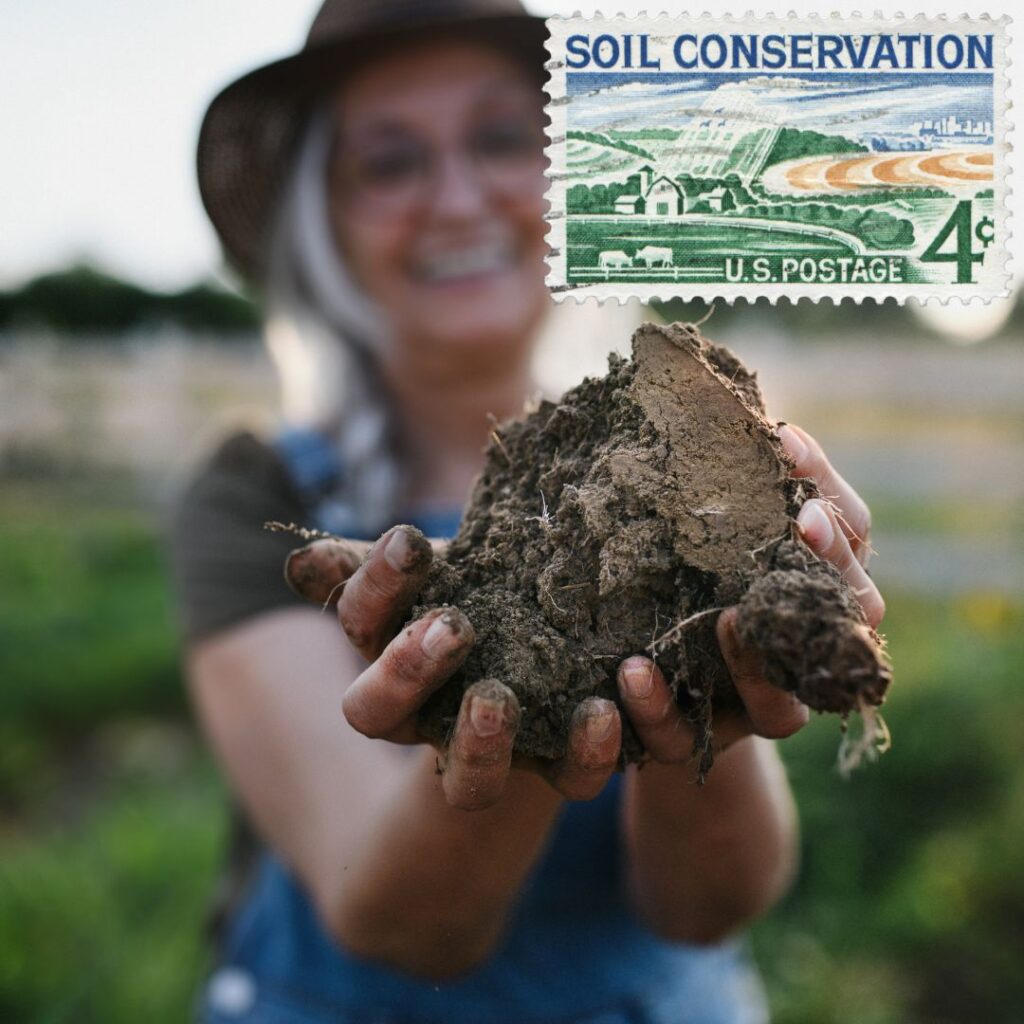
Soil conservation is crucial for sustainable farming. In Missouri, soil erosion poses a significant threat to agricultural productivity. By losing topsoil, farmers not only lose vital nutrients but also face reduced crop yields. Cover crops play an essential role in mitigating this problem.
Cover crops, such as cereal rye, hairy vetch, and crimson clover, provide ground cover that protects the soil from erosion. They also improve soil structure and increase organic matter, which enhances water infiltration and retention. This makes the land more resilient to drought and heavy rains.
“In Missouri, soil erosion can be severe due to limited topsoil depth, leading to over 50% topsoil loss in some areas.”
How Smart Irrigation Enhances Farming Efficiency
Smart irrigation systems revolutionize how we manage water resources in farming. These systems use technology to monitor soil moisture, weather conditions, and crop needs, ensuring that water is used efficiently. This is particularly beneficial for soybean crops, which require consistent moisture for optimal growth.
By integrating smart irrigation with cover crops, farmers can maximize water use efficiency. This combination not only conserves water but also ensures that crops receive the right amount of moisture at the right time, leading to healthier plants and better yields.
Combating Soil Erosion through Soybean Cover Crops

Cover crops are a proven method to combat soil erosion. They act as a protective blanket over the soil, reducing the impact of raindrops and preventing soil particles from being washed away. This is especially important in Missouri, where soil erosion can significantly impact farm productivity.
Role of Cover Crops in Erosion Control
Cover crops like cereal rye provide several benefits for erosion control:
Reduce soil erosion by providing ground cover.
Improve soil structure and organic matter.
Enhance water infiltration and retention.
Suppress weed growth, reducing competition for resources.
Best Cover Crop Choices for Missouri
Choosing the right cover crop is essential for maximizing benefits. Here are some of the best options for Missouri soybean fields:
Cereal Rye: Excellent for erosion control and improving soil structure.
Hairy Vetch: Provides nitrogen fixation and good ground cover.
Crimson Clover: Offers good erosion control and adds organic matter to the soil.
Cereal Rye
Cereal rye is one of the most popular cover crops for soybean fields in Missouri. It establishes quickly, providing excellent ground cover that protects the soil from erosion. Additionally, its deep root system improves soil structure and increases organic matter.
Hairy Vetch
Hairy vetch is another great option. It not only provides good ground cover but also fixes nitrogen in the soil, which benefits the following soybean crop. This cover crop is particularly useful in fields with low nitrogen levels.
Crimson Clover
Crimson clover is known for its ability to add organic matter to the soil. It also provides good erosion control and can be used as forage for livestock. This makes it a versatile choice for Missouri farmers.
Timing and Planting Techniques
Timing is crucial when planting cover crops. For the best results, plant cover crops immediately after harvesting the main crop. In Missouri, this usually means planting in September. This timing allows the cover crop to establish before winter, providing maximum soil protection.
Using no-till planting techniques can also enhance the benefits of cover crops. No-till planting helps maintain soil structure and reduces soil disturbance, further preventing erosion.
Smart Irrigation Equipment Essential Considerations

Checking the weather, providing water, monitoring and planning are all second nature to farmers. Having systems that can automate the workload is a real benefit, but of course these systems must meet the bare essentials of crop irrigation management. Much of this will therefore be familiar and is included here for comprehensiveness
Sprinkler Systems
Sprinkler systems are a common type of smart irrigation that can be highly effective in soybean fields. These systems distribute water evenly across the field, ensuring that every plant gets the moisture it needs. By using sensors and timers, sprinkler systems can be automated to water the crops at optimal times, reducing water waste.
There are different types of sprinkler systems to consider:
Center Pivot: These systems rotate around a central pivot point, covering a large area with a circular motion. They are ideal for large fields.
Linear Move: These systems move in a straight line across the field, providing uniform water distribution. They are suitable for rectangular fields.
Solid Set: These systems consist of a network of pipes and sprinkler heads that remain fixed in place. They are great for smaller fields and can be customized to fit various field shapes.
Monitoring Soil Moisture Levels
Monitoring soil moisture levels is crucial for effective irrigation management. By knowing the exact moisture content of the soil, farmers can make informed decisions about when and how much to water their crops. Here are some methods to monitor soil moisture:
Soil Moisture Sensors: These devices are placed in the soil to measure moisture levels at different depths. They provide real-time data that can be accessed remotely.
Tensiometers: These instruments measure the tension or suction of water in the soil, indicating how much water is available to the plants.
Gravimetric Method: This involves taking soil samples, drying them, and weighing them to determine moisture content. While accurate, it is labor-intensive and not suitable for real-time monitoring.
Using these tools, farmers can ensure their crops receive the right amount of water, preventing both over- and under-watering.
Scheduling Watering Times for Optimal Efficiency
Proper scheduling of watering times is essential for maximizing the efficiency of smart irrigation systems. Watering during the early morning or late evening reduces evaporation, ensuring more water reaches the plant roots. Additionally, scheduling irrigation based on crop growth stages can optimize water use.
For example, soybeans require more water during flowering and pod development stages. By adjusting the irrigation schedule to match these critical periods, farmers can improve crop yields and conserve water.
Utilizing Weather Data for Irrigation Planning
Weather data plays a crucial role in irrigation planning. By considering factors such as rainfall, temperature, and humidity, farmers can make more accurate decisions about when to irrigate. Here are some ways to utilize weather data:
Weather Stations: Installing a weather station on the farm provides real-time data on local weather conditions. This information can be used to adjust irrigation schedules accordingly.
Weather Forecasts: Accessing weather forecasts helps farmers plan irrigation around expected rainfall, reducing the need for supplemental watering.
Evapotranspiration Rates: Calculating evapotranspiration rates (the sum of evaporation and plant transpiration) helps determine the amount of water needed by the crops.
By integrating weather data into irrigation planning, farmers can optimize water use, reduce costs, and improve crop health. For more information, check our article on smart irrigation weather stations.
Combining Cover Crops with Smart Irrigation

Combining cover crops with smart irrigation systems offers numerous advantages for sustainable farming. This integrated approach enhances soil health, conserves water, and boosts crop yields, making it a win-win solution for farmers.
Advantages of Integrated Approaches
Integrating cover crops with smart irrigation systems provides several benefits:
Improved Soil Health: Cover crops enhance soil structure and organic matter, while smart irrigation ensures optimal moisture levels.
Water Conservation: Smart irrigation systems reduce water waste, and cover crops improve water infiltration and retention.
Increased Crop Yields: Healthy soil and efficient water use lead to healthier plants and higher yields.
Adopting Best Practices for Maximum Yield
To achieve the best results, farmers should adopt best practices for integrating cover crops and smart irrigation systems. Here are some key recommendations:
Proper Sequencing of Planting
Proper sequencing of planting is crucial for the success of cover crops. Plant cover crops immediately after harvesting the main crop to ensure they establish before winter. In Missouri, this typically means planting in September. Early planting provides maximum soil protection and allows the cover crop to grow strong roots.
Synchronizing Crop Lifecycles with Irrigation Needs
Synchronizing the lifecycles of cover crops and cash crops with irrigation needs is essential for efficient water use. For example, cereal rye can be terminated in the spring before planting soybeans. This timing ensures that the cover crop doesn’t compete with the cash crop for water and nutrients.
Maintaining Soil Health While Conserving Water
Maintaining soil health is a key aspect of sustainable farming. Cover crops improve soil structure and organic matter, while smart irrigation systems ensure that water is used efficiently. Together, these practices create a healthy, productive soil environment that supports robust crop growth.
Utilizing Cost-Share Programs
Farmers can take advantage of cost-share programs to support the adoption of cover crops and smart irrigation systems. These programs provide financial assistance for implementing conservation practices, making it more affordable for farmers to invest in sustainable farming techniques.
In Missouri, the Natural Resources Conservation Service (NRCS) offers cost-share programs for cover crops and irrigation systems. Farmers can apply for funding to help cover the costs of seed, equipment, and installation.
Combining cover crops with smart irrigation systems offers numerous advantages for sustainable farming. This integrated approach enhances soil health, conserves water, and boosts crop yields, making it a win-win solution for farmers.
Advantages of Integrated Approaches
Integrating cover crops with smart irrigation systems provides several benefits:
Improved Soil Health: Cover crops enhance soil structure and organic matter, while smart irrigation ensures optimal moisture levels.
Water Conservation: Smart irrigation systems reduce water waste, and cover crops improve water infiltration and retention.
Increased Crop Yields: Healthy soil and efficient water use lead to healthier plants and higher yields.
Case Studies of Successful Integration in Missouri Farms

Several farms in Missouri have successfully integrated cover crops and smart irrigation systems, demonstrating the effectiveness of this approach. For example, the Smith family farm in central Missouri adopted cereal rye as a cover crop and installed a drip irrigation system. This combination reduced soil erosion, improved soil health, and increased their soybean yields by 20%.
Another example is the Johnson farm in southern Missouri, which used hairy vetch as a cover crop and a center pivot sprinkler system. The cover crop provided excellent ground cover and nitrogen fixation, while the sprinkler system ensured consistent moisture levels. This resulted in healthier soybean plants and a significant reduction in water usage.
“The integration of cover crops and smart irrigation has transformed our farming practices. We’ve seen improved soil health, higher yields, and reduced water costs.” – Farmer John Smith, Missouri
Additional Benefits of Cover Crops and Smart Irrigation
Besides controlling soil erosion and optimizing water use, integrating cover crops and smart irrigation systems offers several additional benefits. These advantages further support sustainable farming practices and improve overall farm productivity.
Improved Soil Health and Organic Matter
Cover crops contribute to improved soil health by adding organic matter and enhancing soil structure. This leads to better water infiltration and retention, reducing the risk of soil compaction and erosion. Healthier soil supports robust plant growth and increases crop yields.
Increased Water Infiltration and Drought Resistance
Cover crops improve water infiltration, allowing more rainwater to penetrate the soil and reducing surface runoff. This increases the soil’s water-holding capacity, making it more resilient to drought conditions. Smart irrigation systems further enhance this benefit by providing precise water application.
Providing Grazing Opportunities
Cover crops can also provide valuable grazing opportunities for livestock. Farmers can graze their animals on cover crops, reducing the need for supplemental feed and improving overall farm efficiency. This dual-purpose use of cover crops adds economic value to the practice.
Forage Quality and Management
The forage quality of cover crops can be high, providing essential nutrients for livestock. Proper management of grazing cover crops ensures that the soil remains protected and the cover crop regrows, maintaining its benefits for soil health and erosion control.
Practical Tips for Farmers
Implementing cover crops and smart irrigation systems can seem daunting, but with the right approach, farmers can successfully integrate these practices into their operations. Here are some practical tips to get started: cost-share practices.
Starting Small with Cover Crops
If you’re new to cover crops, start small by planting them on a portion of your field. This allows you to observe the benefits and make adjustments before scaling up. Choose a cover crop that suits your soil type and farming goals, such as cereal rye for erosion control or hairy vetch for nitrogen fixation.
Optimizing Irrigation Scheduling
Optimize your irrigation schedule by considering crop growth stages and weather conditions. Use soil moisture sensors and weather data to make informed decisions about when and how much to water. This ensures efficient water use and promotes healthy crop growth.
Monitoring Soil Moisture Levels
Regularly monitor soil moisture levels using sensors or other methods. This helps you understand the soil’s water needs and adjust irrigation accordingly. Keeping the soil at optimal moisture levels prevents both over- and under-watering, supporting healthy plant growth.
Conclusion: Sustainable Farming for the Future
Adopting cover crops and smart irrigation systems is a powerful way to revolutionize agriculture. These practices improve soil health, conserve water, and increase crop yields, supporting sustainable farming for the future. By embracing these techniques, farmers can enhance their productivity and contribute to environmental conservation. For instance, using soil moisture sensors can optimize irrigation and boost soybean yields.
Key Practices to Embrace
To achieve the best results, farmers should focus on key practices such as using soil moisture sensors for precision agriculture.
Plant cover crops immediately after harvesting the main crop.
Use no-till planting techniques to reduce soil disturbance.
Monitor soil moisture levels and adjust irrigation schedules accordingly.
Utilize weather data to plan irrigation around rainfall and temperature conditions.
Take advantage of cost-share programs to support the adoption of these practices.
Long-Term Benefits for Sustainable Farming
In the long term, integrating cover crops and smart irrigation systems provides numerous benefits for sustainable farming. Improved soil health, water conservation, and increased crop yields contribute to a more resilient and productive agricultural system. These practices also support environmental conservation by reducing soil erosion and water waste.
Encouraging Community Adoption
Farmers can encourage community adoption of cover crops and smart irrigation systems by sharing their experiences and success stories. Participating in local agricultural groups and attending workshops can help spread knowledge and promote the benefits of these practices. By working together, farmers can create a more sustainable and productive agricultural community.
Frequently Asked Questions (FAQs)
Here are some common questions about cover crops and smart irrigation systems:
What are the primary benefits of using soybean cover crops?
Soybean cover crops provide several benefits, including reducing soil erosion, improving soil health, increasing organic matter, and enhancing water infiltration and retention. They also suppress weed growth and can provide grazing opportunities for livestock.
How do cover crops help in reducing soil erosion?
Cover crops protect the soil by providing ground cover that reduces the impact of raindrops and prevents soil particles from being washed away. Their root systems also improve soil structure and increase organic matter, further reducing erosion.
What are some recommended smart irrigation systems for small farms?
For small farms, drip irrigation and solid set sprinkler systems are recommended. Drip irrigation provides precise water application directly to the plant roots, reducing water waste. Solid set sprinkler systems are flexible and can be customized to fit various field shapes.
Can cover crops be used in conjunction with other crops?
Yes, cover crops can be used in conjunction with other crops. They are often planted in rotation with cash crops, providing soil protection and improvement between main crop cycles. Cover crops can also be intercropped with cash crops to provide additional benefits.
Missouri soybean cover crops play a crucial role in controlling soil erosion and maintaining soil health. Implementing these cover crops can significantly reduce the need for chemical inputs, leading to more sustainable farming practices. Additionally, integrating smart irrigation systems can optimize water usage, ensuring that crops receive the right amount of moisture without wastage.





Leave a Reply