
Key Takeaways
Smart irrigation systems use technology to optimize water usage for crops, reducing waste and increasing yield.
Key components include soil moisture sensors, weather stations, smart controllers, and automated valves.
Soil moisture sensors help monitor soil conditions to prevent over or under-watering.
Weather stations provide real-time data on environmental conditions, aiding in precise irrigation scheduling.
Smart controllers and automated valves allow for remote management and precise control of irrigation systems.
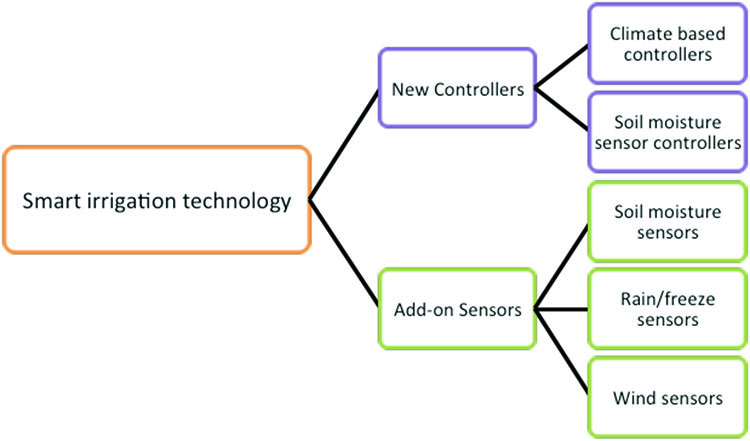
“Smart Irrigation Technology …” from extension.okstate.edu
Smart Irrigation System Components: Soybean Precision Agriculture Guide
Precision agriculture is revolutionizing the way we farm, and smart irrigation systems are at the forefront of this change. By integrating advanced technology into irrigation practices, farmers can optimize water usage, enhance crop yields, and reduce environmental impact. In this guide, we’ll explore the essential components of a smart irrigation system and how they can benefit soybean farming.
Beyond yield optimisation, smart irrigation also plays a critical role in managing moisture-driven disease pressure, including conditions like soybean anthracnose where irrigation timing and canopy humidity directly influence infection risk.
Why Smart Irrigation Matters for Soybean Farmers
Water is a precious resource, and its efficient use is critical for sustainable agriculture. For soybean farmers, managing water effectively can mean the difference between a bountiful harvest and a poor yield. Smart irrigation systems provide precise control over water application, ensuring that crops receive the right amount of water at the right time. This not only conserves water but also promotes healthier plant growth and higher yields.
For many growers, adoption is accelerated by cost-share opportunities, with multiple state and federal programs now offering financial incentives specifically for smart irrigation upgrades in soybean production.
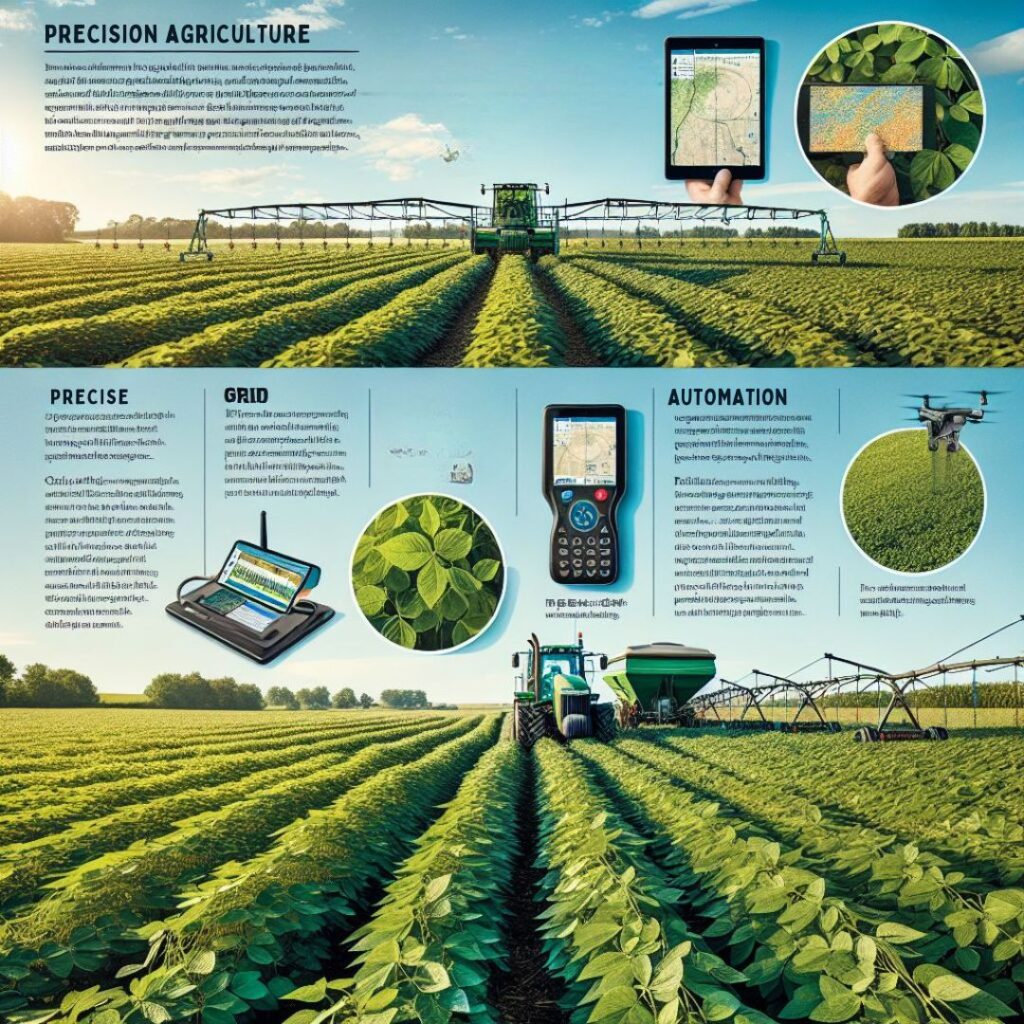
Overview of Smart Irrigation Systems
Smart irrigation systems combine various technologies to create a highly efficient and automated watering process. These systems use real-time data from sensors and weather stations to determine the optimal irrigation schedule. The main components of a smart irrigation system include soil moisture sensors, weather stations, smart controllers, and automated valves. Each component plays a crucial role in ensuring that water is used efficiently and effectively.
How Smart Irrigation Works
Smart irrigation systems work by collecting data from the field and using it to make informed decisions about when and how much to water. Soil moisture sensors measure the amount of water in the soil, providing real-time information on soil conditions. Weather stations monitor environmental factors such as temperature, humidity, and rainfall, which can affect water needs. Smart controllers use this data to create an optimal irrigation schedule, and automated valves control the flow of water to the fields.
Essential Features of Smart Irrigation Systems
Several features make smart irrigation systems stand out. First, they offer precise control over water application, ensuring that crops receive the right amount of water at the right time. Second, they provide real-time monitoring and data collection, allowing farmers to make informed decisions about irrigation. Third, they are automated, reducing the need for manual intervention and saving time and labor. Finally, they can be integrated with other farm management systems, providing a comprehensive solution for precision agriculture.
Key Components of a Smart Irrigation System
| Component | Description | Function |
|---|---|---|
| Soil Moisture Sensors | Detector for soil water levels | Measure water content and temperature |
| Weather Stations | On-site weather monitoring equipment | Monitor local climate conditions |
| Control Unit | Central processing device | Analyzes data and controls irrigation |
| Irrigation System | Network of pipes and sprinklers | Delivers water to crops |
| Communication Network | Wireless or wired connections | Transmits data between components |
| User Interface | Software or mobile app | Allows farmers to monitor and control the system |
| Power Source | Solar panels or grid connection | Provides energy for system operation |
| Actuators | Valves and pumps | Control water flow in the irrigation system |
| Data Storage | Cloud-based or local servers | Stores historical data for analysis |
| Crop Sensors | Specialized equipment | Monitor plant health and growth |
Soil Moisture Sensors
Soil moisture sensors are critical for monitoring soil conditions and ensuring that crops receive the right amount of water. These sensors measure the volumetric water content in the soil and provide real-time data on soil moisture levels. This information helps farmers avoid over or under-watering, which can lead to poor crop health and reduced yields. For more insights, check out this USDA report on precision agriculture.
Types of Soil Moisture Sensors: Capacitance sensors, Tensiometers, Time Domain Reflectometry (TDR) sensors
Installation: Place sensors at various depths to get a comprehensive view of soil moisture levels.
Data Collection: Sensors transmit data to the smart controller, which uses it to adjust irrigation schedules.
Field-installed soil moisture sensors, such as profile-based monitoring systems, allow irrigation decisions to be driven by real-time root-zone conditions rather than estimates or fixed schedules.
Using soil moisture sensors can significantly improve water efficiency and crop health. For example, a farmer using capacitance sensors can monitor soil moisture in real-time and adjust irrigation schedules to ensure that the crops receive the optimal amount of water.
Weather Stations
Weather stations are another essential component of smart irrigation systems. They provide real-time data on environmental conditions such as temperature, humidity, wind speed, and rainfall. This information is crucial for creating accurate irrigation schedules and ensuring that crops receive the right amount of water.
Weather stations typically include various sensors to measure different environmental factors. These sensors collect data continuously and transmit it to the smart controller, which uses it to adjust irrigation schedules based on current weather conditions. For example, if a weather station detects a high level of humidity, the smart controller may reduce the amount of water applied to prevent over-watering. For more information, you can refer to the Precision Agriculture and Irrigation guide.
Smart Controllers
Smart controllers are the brains of a smart irrigation system. They use data from soil moisture sensors, weather stations, and other inputs to determine the optimal irrigation schedule. These controllers can be programmed to water crops at specific times and durations, ensuring that water is used efficiently.
One of the key benefits of smart controllers is their ability to adjust irrigation schedules based on real-time data. For example, if the weather station detects an unexpected rainstorm, the smart controller can delay or reduce irrigation to prevent over-watering. This level of precision helps conserve water and promotes healthier plant growth. For more information, check out this review on soybean smart irrigation systems.
Smart controllers come with various features, including remote access, which allows farmers to monitor and control their irrigation systems from anywhere using a smartphone or computer. This remote capability is especially useful for large farms where manual monitoring would be time-consuming and labor-intensive.
Remote Access: Control irrigation systems from anywhere using a smartphone or computer.
Data Integration: Integrate data from soil moisture sensors, weather stations, and other inputs.
Automated Scheduling: Create and adjust irrigation schedules based on real-time data.
Automated Valves
Automated valves are essential for controlling the flow of water to different parts of the field. These valves can be programmed to open and close at specific times, ensuring that each section of the field receives the right amount of water. Automated valves work in conjunction with smart controllers to provide precise control over irrigation.
Benefits of Using Smart Irrigation System Components
“Your Smart Irrigation System Guide For …” from www.matellio.com
Implementing smart irrigation system components offers numerous benefits for soybean farmers. These benefits include water conservation, increased crop yields, and cost savings. By using technology to optimize water usage, farmers can achieve better results with fewer resources.
Water Conservation
“Smart irrigation systems can reduce water usage by up to 30% compared to traditional irrigation methods.” – National Institute of Food and Agriculture
Water conservation is one of the most significant benefits of smart irrigation systems. By using real-time data to adjust irrigation schedules, these systems ensure that water is used efficiently and effectively. This reduces water waste and helps preserve this valuable resource.
For example, a soybean farmer using a smart irrigation system can monitor soil moisture levels and weather conditions to determine the optimal amount of water needed. This prevents over-watering, which can lead to water runoff and soil erosion, and under-watering, which can stress plants and reduce yields.
In addition to conserving water, smart irrigation systems can also reduce the energy needed to pump and distribute water. This can result in significant cost savings for farmers, especially those with large fields that require extensive irrigation.
Increased Crop Yields
Another significant benefit of smart irrigation systems is their ability to increase crop yields. By providing crops with the right amount of water at the right time, these systems promote healthier plant growth and higher yields. This is particularly important for soybean farmers, who rely on consistent and adequate water supply for optimal crop production.
For instance, using soil moisture sensors, a farmer can ensure that the soil remains at an optimal moisture level throughout the growing season. This prevents water stress, which can stunt plant growth and reduce yields. Additionally, by integrating weather data, farmers can adjust irrigation schedules to account for changing environmental conditions, further optimizing water usage and promoting healthy crop growth.
Overall, the use of smart irrigation systems can lead to more consistent and higher-quality yields, providing farmers with a better return on investment and contributing to the overall sustainability of their farming operations.
Cost Savings
Smart irrigation systems can also result in significant cost savings for farmers. By optimizing water usage and reducing waste, these systems can lower water bills and decrease the energy required to pump and distribute water. Additionally, the automation and remote monitoring capabilities of smart irrigation systems can save time and labor, further reducing operational costs.
For example, a farmer using a smart irrigation system can monitor and control their irrigation schedule remotely, eliminating the need for manual adjustments and reducing the time spent on field inspections. This can free up valuable time for other farming activities and reduce labor costs.
Implementation and Maintenance Considerations
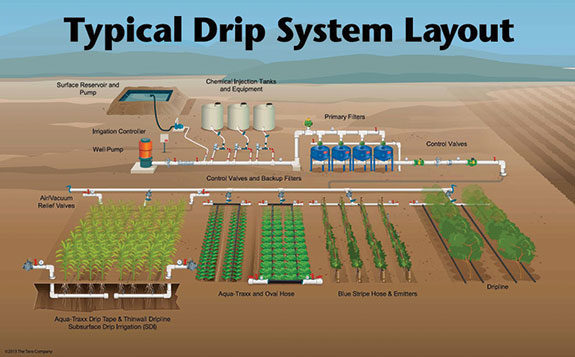
“Subsurface drip irrigation on alfalfa …” from www.agproud.com
Implementing a smart irrigation system requires careful planning and consideration. In some regions and soil profiles, subsurface drip irrigation is evaluated as an alternative to center pivots, offering different trade-offs in water efficiency, installation cost, and long-term maintenance. Farmers need to select the right components for their specific needs and ensure that the system is installed correctly. Regular maintenance is also essential to keep the system functioning optimally and to address any issues that may arise.
Even with advanced equipment in place, many Midwest farmers still underperform due to avoidable setup and decision-making errors that limit the effectiveness of otherwise capable smart irrigation systems.
Installation Steps
Installing a smart irrigation system involves several steps, including selecting the right components, setting up sensors and controllers, and configuring the system for optimal performance. Here are some general steps to guide you through the installation process:
Select Components: Choose the right soil moisture sensors, weather stations, smart controllers, and automated valves for your specific needs.
Install Sensors: Place soil moisture sensors at various depths in the field to get a comprehensive view of soil moisture levels.
Set Up Weather Stations: Install weather stations in strategic locations to monitor environmental conditions.
Configure Controllers: Program smart controllers with the necessary data inputs and irrigation schedules.
Test System: Conduct a thorough test of the system to ensure that all components are functioning correctly and that the irrigation schedule is optimized.
Once the system is installed, regular maintenance is essential to keep it running smoothly. This includes checking sensors and controllers for any issues, cleaning and calibrating sensors, and updating software as needed. By staying proactive with maintenance, farmers can ensure that their smart irrigation system continues to provide optimal performance and benefits.
Regular Maintenance Tips
Maintaining a smart irrigation system involves routine checks and preventive measures to ensure it operates efficiently. Regularly inspect soil moisture sensors for any signs of wear or damage. Clean them periodically to prevent soil build-up, which can affect accuracy.
Additionally, weather stations should be checked for any obstructions that could interfere with data collection. Make sure the sensors are calibrated correctly and replace batteries as needed. Smart controllers should be updated with the latest software to benefit from new features and improvements.
Conclusion: The Future of Soybean Farming with Smart Irrigation
Smart irrigation systems represent the future of sustainable and efficient agriculture. For soybean farmers, these systems offer a way to optimize water usage, increase crop yields, and reduce operational costs. By integrating advanced technology into their farming practices, farmers can achieve better results and contribute to the overall sustainability of agriculture.
As technology continues to evolve, smart irrigation systems will become even more sophisticated and accessible. Farmers who adopt these systems early will be well-positioned to reap the benefits and stay ahead of the curve. The future of soybean farming is bright, and smart irrigation systems are a key part of that future.
Frequently Asked Questions (FAQ)

How do soil moisture sensors work?
Soil moisture sensors measure the volumetric water content in the soil. They use various methods, such as capacitance, tensiometry, or time domain reflectometry (TDR), to provide real-time data on soil moisture levels. This information helps farmers make informed decisions about irrigation, ensuring that crops receive the right amount of water.
Are smart irrigation systems expensive to install?
While the initial cost of installing a smart irrigation system can be higher than traditional systems, the long-term benefits often outweigh the investment. Costs can vary depending on the size of the farm and the specific components chosen. However, many farmers find that the savings in water, energy, and labor, along with increased crop yields, provide a quick return on investment.
Which is better, drip irrigation or center-pivot irrigation?
Drip irrigation has the advantage of not being susceptible to water loss through evaporation, however, it is crucial to keep the drip lines free of sediment to avoid blockages. Pivot irrigation systems may be easier to design, install and maintain but they come at increased cost due to the input energy requirement. Their circular spread pattern also limits coverage at field edges as well as having mobility restrictions when the ground is markedly uneven. By and large center-pivot installations are becoming increasingly more popular.





Leave a Reply