
Key Insights
Smart irrigation controllers can significantly boost soybean yields by optimizing water and nutrient delivery.
They integrate with various sensors to provide real-time data, ensuring precise irrigation.
Automation and remote monitoring reduce labor costs and increase efficiency.
Leading brands like Netafim, Nelson, and Lindsay can offer advanced systems tailored for soybean farming.
Investing in smart irrigation technology can lead to better resource management and consistent crop quality.
Transforming Soybean Farming with Smart Controllers

“U.S. Soybean Farmers Putting Smart …” from www.youtube.com
In today’s fast-paced world, agriculture is no exception to the technological advancements shaping industries. Smart irrigation controllers are transforming soybean farming by optimizing water usage and enhancing crop yields. But why exactly are these controllers so revolutionary? What are the benefits they offer to farmers?
Why Smart Irrigation is a Game-Changer
Traditional irrigation methods often lead to overwatering or underwatering, which can negatively impact soybean yields. Smart irrigation controllers, however, provide a solution by using real-time data to adjust watering schedules and amounts based on current weather conditions and soil moisture levels. This precision ensures that soybeans receive the exact amount of water they need, promoting healthier growth and maximizing yields.
Boosting Soybean Yields Efficiently
Smart irrigation controllers do more than just save water; they actively contribute to increased soybean yields. By delivering water and nutrients directly to the plant roots at the right time, these systems enhance plant health and boost productivity. This efficiency not only supports the growth of robust soybeans but also minimizes waste and reduces costs.
Consider the experience of a soybean farmer in Iowa who integrated smart irrigation systems into his operations. By utilizing real-time data and precise water delivery, he reported a 20% increase in yield compared to previous years. This example illustrates the tangible benefits of adopting smart irrigation technology in soybean farming.
Overcoming Traditional Challenges in Irrigation
Inconsistent water supply due to unpredictable weather patterns.
High labor costs associated with manual irrigation.
Difficulty in managing large-scale irrigation systems efficiently.
Smart irrigation controllers address these challenges by automating the process and allowing farmers to monitor and control their systems remotely. This automation not only saves time and labor but also ensures consistent water supply regardless of weather conditions.
Moreover, with the integration of Internet of Things (IoT) technology, farmers can receive alerts and updates on their mobile devices, making it easier to manage irrigation systems even when they’re not on-site. This level of control and flexibility is unprecedented in traditional irrigation methods, making smart controllers an indispensable tool for modern soybean farming.
Features of Smart Controllers in Irrigation
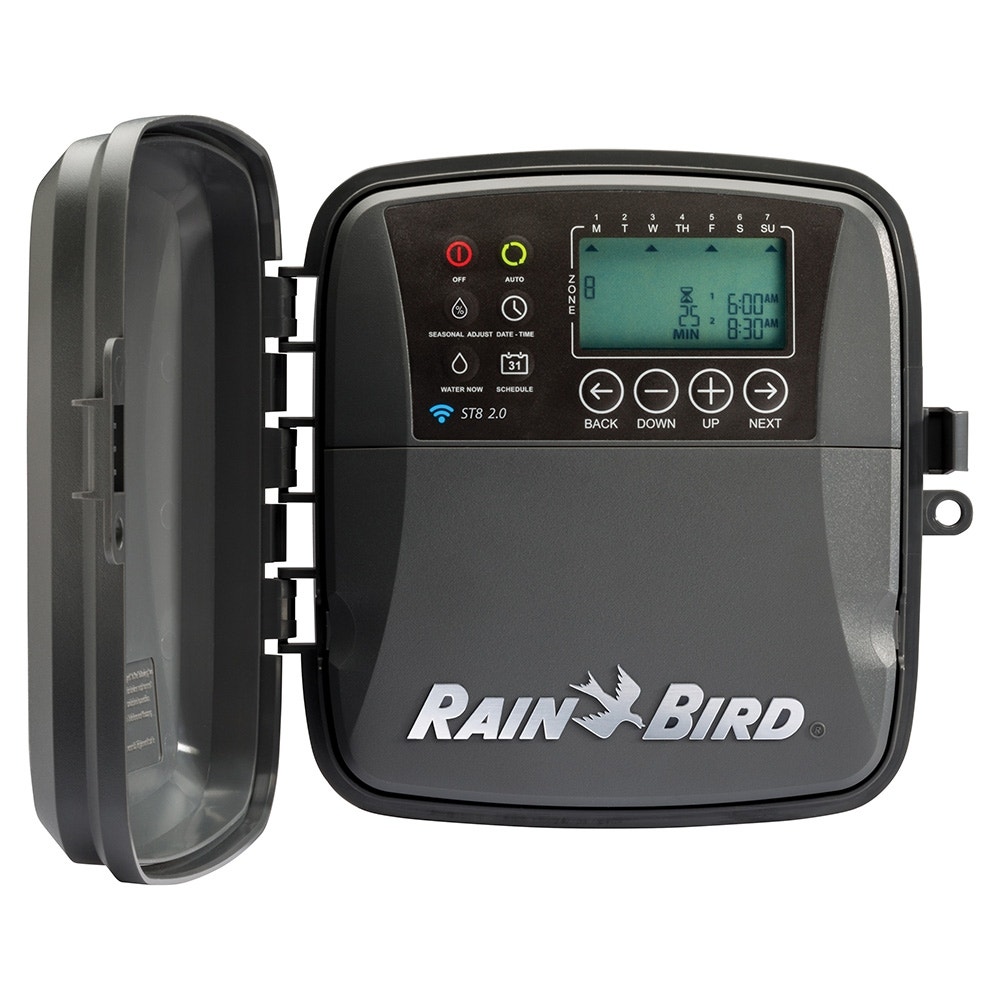
“Rain Bird ST8O-WIFI Smart Irrigation …” from store.rainbird.com
Smart irrigation controllers come packed with features designed to enhance efficiency and productivity in soybean farming. Understanding these features is crucial for farmers looking to maximize their crop yields.
Precision Water and Nutrient Delivery
One of the standout features of smart controllers is their ability to deliver water and nutrients with pinpoint accuracy. By using data from soil moisture sensors and weather forecasts, these systems adjust irrigation schedules and amounts to meet the specific needs of the soybean plants. This precision not only conserves water but also ensures that plants receive the right nutrients at the right time, promoting optimal growth.
Integration with Various Sensors
Smart controllers are designed to work seamlessly with a variety of sensors, including soil moisture sensors, weather stations, and even plant health sensors. This integration allows for a comprehensive understanding of the field’s conditions, enabling farmers to make informed decisions about irrigation and nutrient management.
For instance, a farmer in Nebraska integrated smart controllers with soil moisture sensors across his soybean fields. This setup provided real-time data on soil conditions, allowing him to adjust irrigation schedules dynamically. As a result, he achieved a more uniform crop growth and reduced water usage by 30%.
Leading Brands and Their Technologies
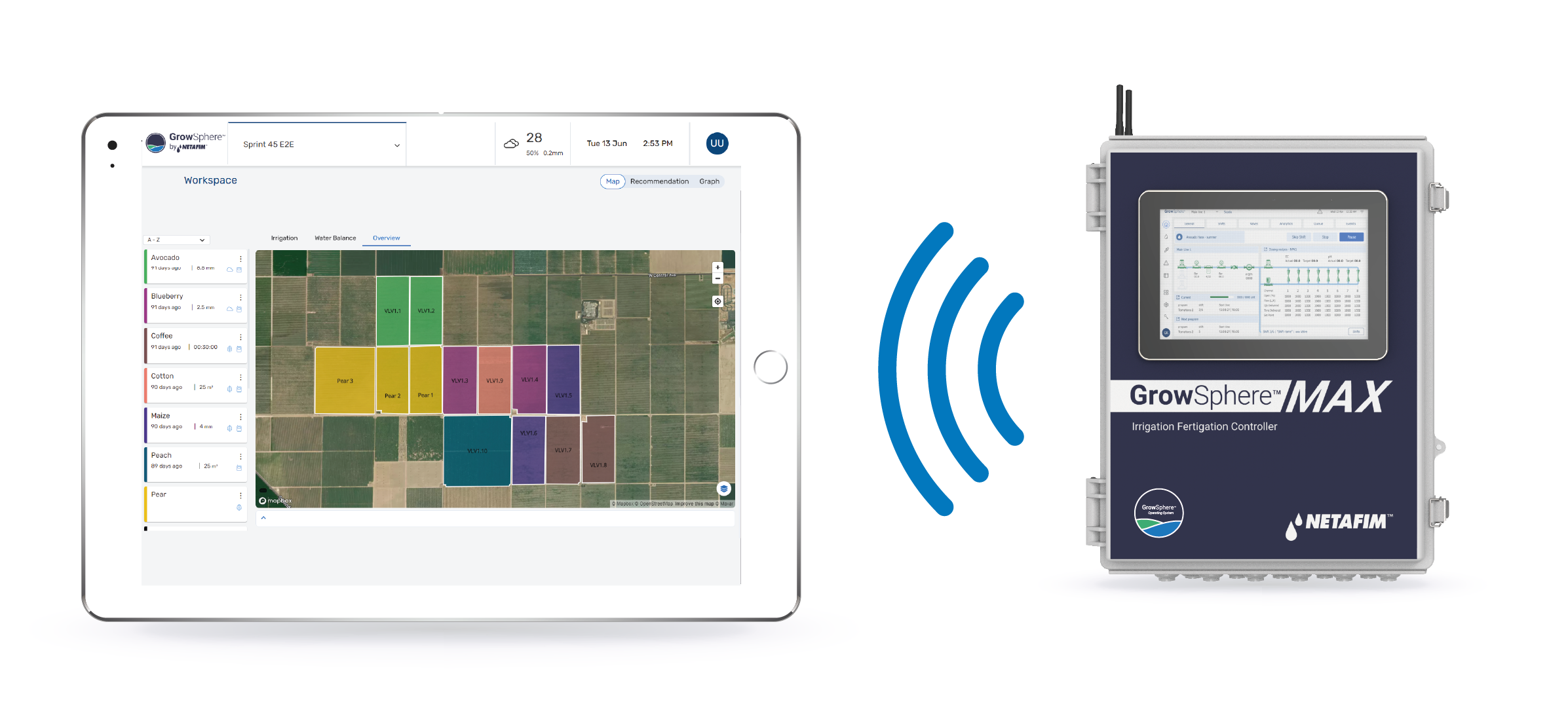
“GrowSphere™ Controllers – The OS for …” from www.netafim.com
When it comes to smart irrigation controllers, several leading brands have developed innovative technologies that cater specifically to the needs of soybean farmers. These brands have designed systems that not only optimize water use but also integrate seamlessly with modern agricultural practices.
Netafim’s NetaJet 4G and GrowSphere MAX
Netafim has been at the forefront of precision irrigation technology, and their NetaJet 4G and GrowSphere MAX systems are no exception. The NetaJet 4G offers advanced fertigation capabilities, allowing for the precise delivery of both water and nutrients. This system ensures that soybean plants receive the necessary resources at each growth stage, enhancing yield and quality.
Meanwhile, the GrowSphere MAX provides a comprehensive solution with its integration of multiple sensors and remote monitoring capabilities. This system enables farmers to track field conditions in real-time and adjust irrigation schedules accordingly, ensuring optimal water use and plant health. For more information on how these systems work, check out this review of CropX soil sensors.
Nelson Irrigation Controllers and Their Advantages
Nelson Irrigation is renowned for its robust irrigation solutions, particularly its center pivot systems. The company’s controllers are designed to work with these systems, providing precise water application across large fields. This is particularly beneficial for soybean farmers who need to manage extensive acreages efficiently.
The integration of Nelson’s FieldNET platform allows for remote management and control, enabling farmers to monitor their irrigation systems from anywhere. This not only improves water management but also reduces the time and effort required to oversee irrigation operations.
Lindsay Corporation’s FieldNET Platform
Lindsay Corporation’s FieldNET platform is a game-changer for soybean farmers looking to harness the power of smart irrigation. This platform offers complete remote management of irrigation systems, with features such as real-time alerts, weather-based scheduling, and precise water application.
By utilizing FieldNET, farmers can optimize water use and ensure that their soybean fields receive the right amount of moisture at the right time. This level of control and precision contributes to healthier plants and higher yields, making Lindsay’s solutions a valuable asset for any soybean operation.
Maximizing Benefits for Soybean Farmers
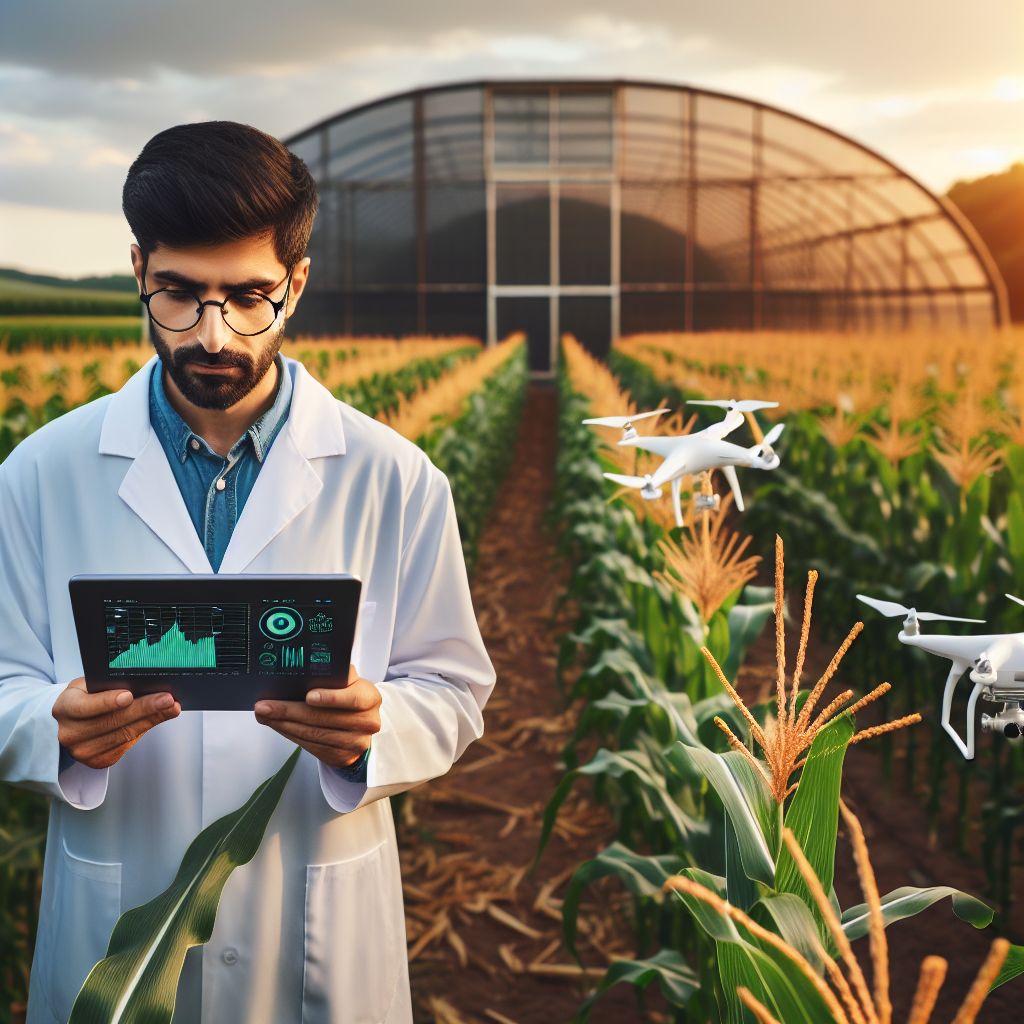
Smart irrigation controllers offer numerous benefits that go beyond just water conservation. For soybean farmers, these systems can lead to significant improvements in productivity and profitability. Let’s explore how these benefits can be maximized.
First and foremost, smart controllers enable improved resource management. By using real-time data and precise irrigation techniques, farmers can ensure that their soybean crops receive the exact amount of water and nutrients needed for optimal growth. This not only enhances plant health but also reduces waste, resulting in cost savings. For more information on how smart irrigation can optimize soybean yield, visit this article on smart irrigation for soybean yield optimisation.
Moreover, smart irrigation systems reduce labor and operational costs. With automation and remote monitoring capabilities, farmers can manage their irrigation systems more efficiently, freeing up time and resources for other important tasks. This efficiency translates to lower labor costs and increased productivity. For further insights on how smart technology is becoming the new norm in agriculture, explore the irrigation controllers market forecast to understand future trends and innovations.
Consider the case of a soybean farm in Illinois that implemented a smart irrigation system. The farm reported a 25% reduction in water usage and a 15% increase in yield, demonstrating the tangible benefits of these technologies.
Improved Resource Management
Effective resource management is crucial for any agricultural operation. Smart irrigation controllers facilitate this by providing farmers with detailed insights into their fields’ conditions. With access to real-time data, farmers can make informed decisions about water and nutrient application, ensuring that resources are used efficiently and effectively.
Reducing Labor and Operational Costs
The automation capabilities of smart irrigation systems significantly reduce the need for manual intervention. This not only saves time but also decreases labor costs. By allowing farmers to monitor and control their systems remotely, these technologies streamline operations and enhance overall efficiency.
Ensuring Consistency in Crop Quality
Consistency in crop quality is a key factor in achieving high yields and maximizing profitability. Smart irrigation controllers contribute to this by ensuring that soybean plants receive consistent care throughout their growth cycle. With precise water and nutrient delivery, farmers can maintain uniform crop quality and reduce the risk of yield loss due to environmental stressors.
Future of Smart Irrigation in Agriculture
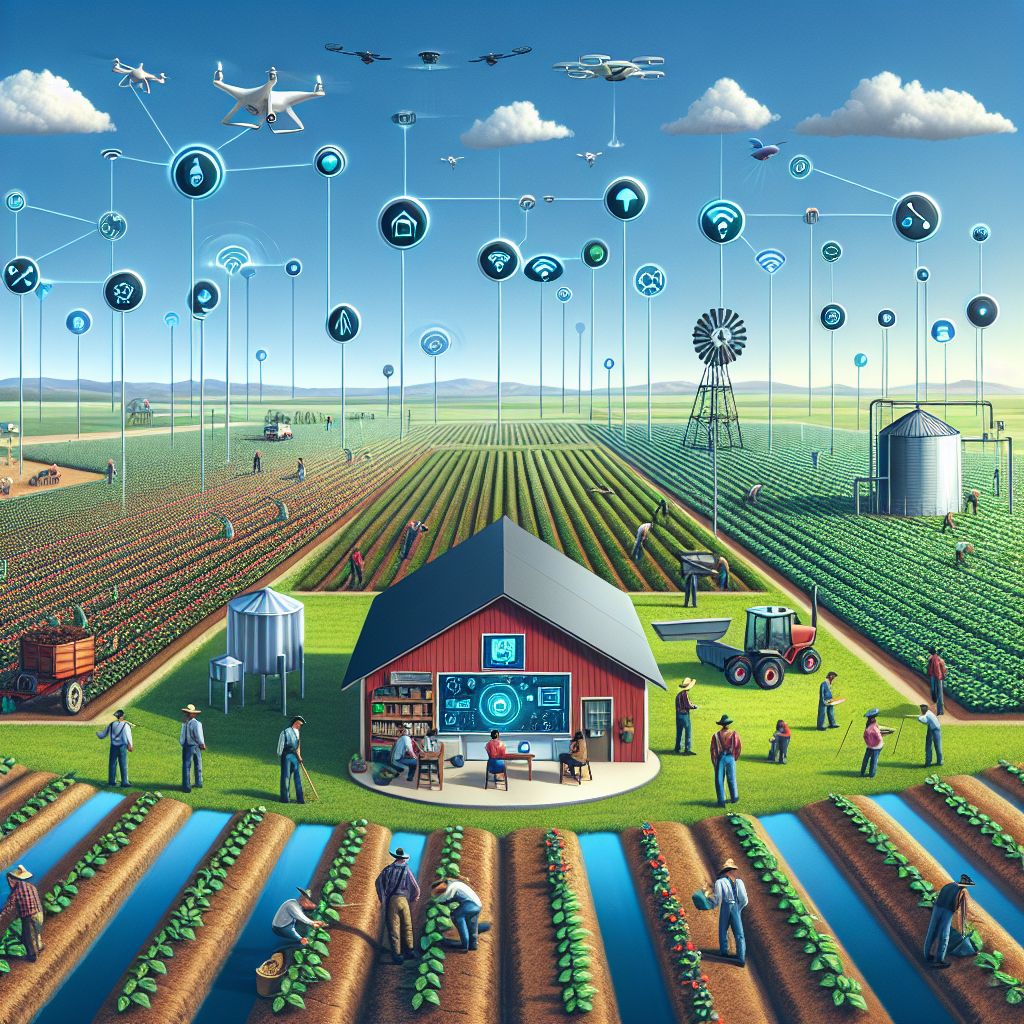
The future of agriculture is closely tied to the advancements in smart irrigation technology. As the global population continues to grow, the demand for food production will increase, necessitating more efficient and sustainable farming practices. Smart irrigation systems are poised to play a critical role in meeting these challenges by optimizing resource use and enhancing crop yields.
One of the key trends shaping the future of smart irrigation is the integration of IoT and wireless connectivity. By connecting irrigation systems to the internet, farmers can access real-time data and control their operations from anywhere in the world. This connectivity not only improves efficiency but also enables farmers to respond quickly to changing conditions, ensuring optimal crop health.
Moreover, advancements in sensor technology are driving the development of even more precise irrigation systems. These sensors provide detailed insights into soil moisture levels, weather patterns, and plant health, allowing for more targeted and effective irrigation strategies.
According to a report published on Morning AgClips, “the Global Irrigation Controllers Market was valued at $896.36 Million in 2021, and it is expected to reach $2547.36 Million by 2028 … driven by the increasing adoption of smart irrigation systems and the growing focus on water conservation in agriculture and landscaping”.
Trends in IoT and Wireless Connectivity
The integration of IoT technology into smart irrigation systems is revolutionizing the way farmers manage their operations. By connecting sensors, controllers, and other devices to the internet, farmers can access a wealth of data that helps them make informed decisions about irrigation and crop management.
Wireless connectivity also allows for seamless integration of different systems and devices, making it easier for farmers to monitor and control their operations remotely. This connectivity is particularly beneficial for large-scale farms, where managing irrigation systems manually can be time-consuming and labor-intensive.
Innovations in Sustainable Farming Practices
Sustainability is a key focus for modern agriculture, and smart irrigation systems are helping farmers achieve their sustainability goals. By optimizing water and nutrient use, these systems reduce waste and minimize the environmental impact of farming operations. Additionally, the precision of smart irrigation ensures that crops receive the exact amount of resources they need, promoting healthier growth and higher yields.
For more guides on Irrigation Controllers, visit the Aguafox irrigation controllers for soybean farms hub.
Smart Controllers FAQs
Smart irrigation technology is a rapidly evolving field, and farmers often have questions about how it works and the benefits it offers. Here are some of the most common questions and their answers.
What are smart irrigation controllers?
Smart irrigation controllers are advanced systems that automate the process of watering crops. They use real-time data from sensors and weather forecasts to adjust irrigation schedules and amounts, ensuring that crops receive the optimal amount of water and nutrients. For a deeper dive into the market trends, you can read the Irrigation Controllers Market Forecast by 2028.
These controllers are designed to work with various sensors and devices, providing farmers with a comprehensive solution for managing their irrigation systems efficiently.
How do smart controllers benefit soybean farming specifically?
Smart controllers offer numerous benefits for soybean farming, including increased yields, improved resource management, and reduced labor costs. By delivering water and nutrients precisely when and where they are needed, these systems enhance plant health and productivity.
Can smart controllers be integrated with existing irrigation systems?
Yes, smart controllers can be integrated with existing irrigation systems, making it easy for farmers to upgrade their operations without replacing their current infrastructure. This integration allows for seamless operation and control, enabling farmers to take advantage of the benefits of smart irrigation technology without significant upfront costs.
By adopting smart irrigation systems, farmers can improve their productivity and sustainability, paving the way for a more efficient and resilient agricultural future.
Smart irrigation systems are revolutionizing agriculture by optimizing water use and improving crop yields. These systems use advanced technology to monitor soil moisture levels and weather conditions, ensuring that crops receive the right amount of water at the right time. For example, digital farming solutions provide farmers with real-time data and analytics, allowing them to make informed decisions about their irrigation practices. This not only conserves water but also enhances the efficiency of farming operations, leading to increased productivity and sustainability in agriculture.




Leave a Reply