
Key Takeaways
Soybean stem canker is caused by fungi in the genus Diaporthe and leads to significant crop loss if not managed properly.
Symptoms include reddish-brown lesions on stems and dead plants with dried leaves that remain attached.
Moisture levels play a crucial role in the development and spread of stem canker.
Smart irrigation systems can help control moisture levels, reducing the risk of stem canker.
Integrated Pest Management (IPM) combining crop rotation, resistant varieties, and proper field hygiene is essential for effective control.
Introduction to Soybean Stem Canker

“Stem Canker – Soybean Disease – Soybean …” from soybeanresearchinfo.com
Soybean stem canker is a devastating disease that affects soybean crops worldwide. The disease is caused by fungi in the genus Diaporthe, which can survive in soil and crop residue. This makes it a persistent problem for farmers. Understanding how to manage and control stem canker is crucial for maintaining healthy soybean crops and ensuring good yields.
The first signs of stem canker often appear as small, reddish-brown lesions on the stems of soybean plants. These lesions can expand and girdle the stem, leading to the death of the plant. Dead plants with dried leaves that remain attached to the petioles are a common sight in infected fields. The disease typically occurs in patches, making it easily identifiable.
Causes and Symptoms of Stem Canker
Stem canker is primarily caused by the fungi Diaporthe phaseolorum var. caulivora and Diaporthe phaseolorum var. meridionalis. These fungi can survive in the soil and crop residue for several years, making it difficult to eradicate once established. The infection process begins when spores are splashed onto plants during rain or irrigation.
Key symptoms of stem canker include:
Small, reddish-brown lesions on the stems near the nodes.
Lesions that expand and girdle the stem, leading to plant death.
Dead plants with dried leaves that remain attached to the petioles.
Patches of diseased plants within fields.
How Moisture Levels Affect Stem Canker
Moisture levels play a significant role in the development and spread of stem canker. Extended wet weather, especially early in the growing season, creates ideal conditions for the fungi to infect soybean plants. Rain splashes spores onto the plants, where they can germinate and infect the stem tissue.
Besides that, excessive irrigation can also contribute to the spread of stem canker. Over-watering creates a humid environment that favors fungal growth. Therefore, managing moisture levels is crucial for controlling this disease. Using soil moisture sensors can help farmers maintain optimal moisture levels and prevent the spread of fungal infections.
Stem Canker Impact on Soybean Production

Stem canker can have a severe impact on soybean production, leading to significant economic losses. Understanding the extent of this impact helps farmers appreciate the importance of effective management strategies.
Economic Losses from Stem Canker
The economic losses from stem canker can be substantial. Infected plants often die before they can produce pods, leading to reduced yields. Moreover, the cost of managing the disease, including the use of fungicides and crop rotation, adds to the financial burden on farmers.
Effect on Yield and Quality
Stem canker not only reduces the quantity of the soybean harvest but also affects the quality of the crop. Diseased plants produce fewer pods, and the beans from infected plants may be of lower quality. This can result in lower market prices and reduced profitability for farmers. For more information on managing soybean diseases, visit the Soybean Diseases and Management Practice guide.
Smart Irrigation Management Techniques
Smart irrigation systems offer a promising solution for managing moisture levels and controlling stem canker. These systems use advanced technology to optimize water usage, ensuring that plants receive the right amount of water at the right time. For instance, soil moisture sensors can play a crucial role in this process.
Understanding Smart Irrigation Systems
Smart irrigation systems utilize sensors, weather data, and automated controls to manage irrigation schedules. These systems can adjust watering based on soil moisture levels, weather forecasts, and plant needs. By providing precise control over irrigation, smart systems help prevent over-watering and reduce the risk of fungal infections like stem canker.
Advantages of Smart Irrigation for Disease Control
Smart irrigation systems offer several advantages when it comes to controlling diseases like stem canker. By optimizing water usage, these systems help maintain the ideal moisture levels for soybean plants, reducing the conditions that favor fungal growth. This not only helps in preventing stem canker but also improves overall plant health.
One of the key benefits of smart irrigation is its ability to provide precise control over watering schedules. Traditional irrigation methods often lead to over-watering or under-watering, both of which can stress plants and make them more susceptible to diseases. Smart irrigation systems use sensors and weather data to adjust watering schedules, ensuring that plants receive the right amount of water at the right time.
Besides that, smart irrigation systems can help conserve water, which is particularly important in regions where water is scarce. By reducing water waste, these systems contribute to more sustainable farming practices.
Implementing Smart Irrigation for Soybean Crops
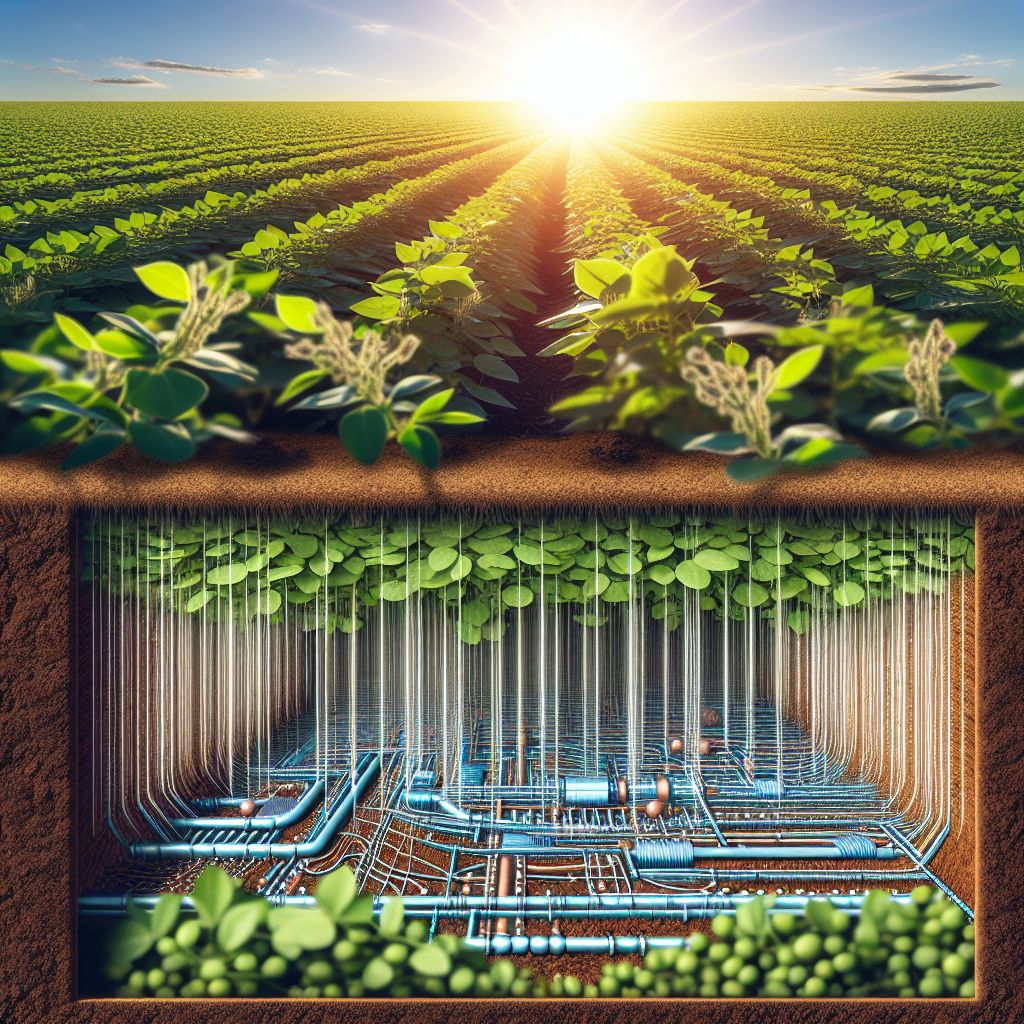
Implementing a smart irrigation system involves several steps, from choosing the right technology to installation and ongoing monitoring. Each step is crucial for ensuring that the system operates effectively and provides the desired benefits.
Choosing the Right Technology
When selecting a smart irrigation system, it’s important to consider the specific needs of your farm. Different systems offer varying features, so it’s essential to choose one that aligns with your requirements. Key factors to consider include:
Sensors: Look for systems with soil moisture sensors that provide accurate readings.
Weather Integration: Choose a system that integrates with local weather data to adjust watering schedules based on forecasts.
Automation: Ensure the system offers automated controls to minimize manual intervention.
It’s also helpful to consult with other farmers who have implemented smart irrigation systems to get their insights and recommendations. Their experiences can provide valuable guidance in selecting the right technology for your farm.
Installation and Setup Considerations
Proper installation and setup are critical for the effective operation of a smart irrigation system. Here are some key considerations to keep in mind:
First, ensure that sensors are placed at the correct depth and location to provide accurate soil moisture readings. Incorrect placement can lead to inaccurate data and ineffective watering schedules.
Second, make sure the system is properly integrated with your existing irrigation infrastructure. This may involve upgrading or modifying your current setup to accommodate the new technology. For more information on management practices, visit Soybean Diseases and Management Practice.
Third, take the time to configure the system settings according to your farm’s specific needs. This includes setting up watering schedules, thresholds for soil moisture levels, and other parameters. Proper configuration ensures that the system operates efficiently and provides the desired benefits.
Monitoring and Adjusting for Optimal Results
Once the smart irrigation system is installed, ongoing monitoring and adjustments are essential for maintaining optimal performance. Regularly check the system’s data to ensure that it’s providing accurate readings and adjusting watering schedules as needed.
If you notice any issues, such as incorrect soil moisture readings or inadequate watering, make the necessary adjustments to the system settings. This may involve recalibrating sensors, adjusting watering schedules, or updating system parameters based on changing conditions.
Most importantly, stay informed about the latest advancements in smart irrigation technology. New features and improvements are continually being developed, so keeping up-to-date can help you maximize the benefits of your system.
Integrated Pest Management (IPM) Approach
Besides smart irrigation, an Integrated Pest Management (IPM) approach is essential for effective stem canker control. IPM combines multiple methods to manage pests and diseases, reducing reliance on any single strategy and enhancing overall effectiveness.
Combination of Methods for Stem Canker Control
Effective stem canker control requires a combination of methods, including cultural practices, resistant varieties, and chemical treatments. By integrating these approaches, farmers can create a comprehensive management plan that addresses various aspects of the disease. For instance, using smart irrigation management can significantly enhance the effectiveness of these methods.
For example, crop rotation helps reduce the buildup of fungal inoculum in the soil, while resistant soybean varieties provide a genetic barrier against infection. Proper field hygiene practices, such as removing crop residue and managing weeds, further reduce the risk of disease.
Crop Rotation: Rotate soybeans with non-host crops to break the disease cycle.
Resistant Varieties: Plant soybean varieties that are resistant to stem canker.
Field Hygiene: Remove crop residue and manage weeds to reduce fungal inoculum.
Crop Rotation and Resistant Varieties
Crop rotation is a simple yet effective strategy for managing stem canker. By rotating soybeans with non-host crops, such as cereals or corn, farmers can reduce the buildup of fungal inoculum in the soil. This helps break the disease cycle and reduces the risk of infection in subsequent soybean crops.
Planting resistant soybean varieties is another crucial component of stem canker management. These varieties have been bred to resist infection by the Diaporthe fungi, providing a genetic barrier against the disease. Consult with your local extension service or seed supplier to identify resistant varieties that are suitable for your region.
Proper Field Hygiene Practices
Maintaining proper field hygiene is essential for reducing the risk of stem canker. This includes removing crop residue after harvest, as the fungi can survive in plant debris. Incorporating residue into the soil through tillage can help reduce the amount of inoculum available to infect the next soybean crop.
Additionally, managing weeds and volunteer soybean plants is important, as they can serve as hosts for the fungi. Keeping fields clean and free of plant debris helps create an environment that is less conducive to fungal growth.
Application of Fungicides

Fungicides can be an effective tool for managing stem canker, particularly when used as part of an integrated approach. Understanding the types of fungicides available, as well as proper timing and application methods, is crucial for achieving the best results.
Types of Fungicides Effective Against Stem Canker
Several fungicides are effective against the fungi that cause stem canker. These include products containing active ingredients such as thiophanate-methyl, tebuconazole, and prothioconazole. It’s important to choose a fungicide that is labeled for use on soybeans and specifically targets stem canker.
Proper Timing and Dosage
Timing is critical when applying fungicides for stem canker control. Fungicides should be applied at the early vegetative stage, when the first symptoms of the disease are likely to appear. This helps prevent the spread of the infection and protects the plants during critical growth stages. Additionally, integrating smart irrigation systems can further enhance disease management by maintaining optimal soil moisture levels.
Follow the label instructions for proper dosage and application methods. Over-application can lead to resistance development, while under-application may not provide adequate control. Always use the recommended rates and ensure thorough coverage of the plants.
Safety and Environmental Considerations
When using fungicides, it’s important to consider safety and environmental factors. Always wear appropriate personal protective equipment (PPE) and follow safety guidelines to protect yourself and others. Additionally, be mindful of the potential impact on non-target organisms and the environment.
Consider using fungicides as part of an integrated approach, rather than relying solely on chemical treatments. This helps reduce the overall use of chemicals and minimizes the risk of resistance development.
When using fungicides, it’s important to consider safety and environmental factors. Always wear appropriate personal protective equipment (PPE) and follow safety guidelines to protect yourself and others. Additionally, be mindful of the potential impact on non-target organisms and the environment, such as those affected by soybean Phytophthora root rot.
Consider using fungicides as part of an integrated approach, rather than relying solely on chemical treatments. This helps reduce the overall use of chemicals and minimizes the risk of resistance development.
Conclusion
Managing and controlling soybean stem canker requires a comprehensive approach that includes smart irrigation, integrated pest management, and the judicious use of fungicides. By understanding the causes and symptoms of stem canker and implementing effective management strategies, farmers can protect their crops and achieve better yields.
Monitor moisture levels with smart irrigation systems to prevent conditions that favor stem canker.
Use crop rotation and resistant soybean varieties to reduce the risk of infection.
Maintain proper field hygiene by removing crop residue and managing weeds.
Apply fungicides at the right time and dosage to control the disease effectively.
Stay informed about the latest advancements in smart irrigation and pest management technologies.
By following these strategies, farmers can create a healthier growing environment for their soybeans and minimize the impact of stem canker on their crops.
Recap of Key Strategies
To recap, the key strategies for managing and controlling soybean stem canker include:
Implementing smart irrigation systems to optimize moisture levels.
Using crop rotation and planting resistant soybean varieties.
Maintaining proper field hygiene to reduce fungal inoculum.
Applying fungicides at the correct timing and dosage.
Regularly monitoring and adjusting management practices based on real-time data.
Final Recommendations
For the best results in managing soybean stem canker, it’s essential to adopt a holistic approach that integrates multiple strategies. Smart irrigation systems play a crucial role in maintaining optimal moisture levels, while crop rotation, resistant varieties, and proper field hygiene further reduce the risk of infection. Additionally, the judicious use of fungicides can provide effective disease control when applied correctly.
Stay informed about the latest advancements in agricultural technology and continuously adapt your management practices to meet the changing needs of your crops. By doing so, you can protect your soybean plants from stem canker and achieve higher yields and better-quality beans.
Frequently Asked Questions (FAQ)

What causes stem canker in soybeans?
Stem canker in soybeans is caused by fungi in the genus Diaporthe. These fungi can survive in soil and crop residue, making it difficult to eradicate once established. Infection occurs when spores are splashed onto plants during rain or irrigation.
How does smart irrigation help control stem canker?
Smart irrigation helps control stem canker by optimizing moisture levels in the soil. By using sensors and weather data, smart irrigation systems adjust watering schedules to prevent over-watering, which creates conditions that favor fungal growth. Maintaining the right moisture levels reduces the risk of infection and helps keep plants healthy.
What is the most common disease in soybeans?
Besides stem canker, another common disease in soybeans is soybean cyst nematode (SCN). SCN is caused by a parasitic nematode that infects the roots of soybean plants, leading to stunted growth and reduced yields. Like stem canker, managing SCN requires a combination of strategies, including crop rotation, resistant varieties, and proper field hygiene.
By understanding the causes and symptoms of these diseases and implementing effective management practices, farmers can protect their soybean crops and achieve better yields.
Soybean stem canker is a significant disease that affects soybean crops, leading to considerable yield losses. Effective management and control of this disease involve understanding its symptoms, lifecycle, and implementing appropriate cultural practices. One crucial aspect of disease management is the use of smart irrigation systems to maintain optimal soil moisture levels, which can help reduce the severity of the disease. Additionally, crop rotation and resistant soybean varieties are essential strategies in combating soybean stem canker.





Leave a Reply