
-

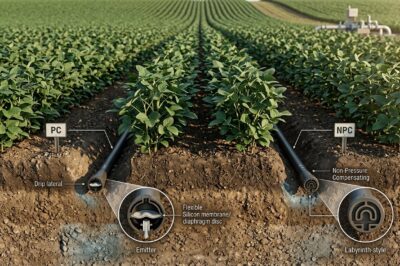
Automated Fertigation vs Manual Mixing: What Soybean Growers Need to Know
Key Takeaways Article Summary: Automated fertigation delivers nutrients through irrigation systems with computer-controlled precision, while manual mixing relies on farmer measurement and physical application. For Midwest soybean growers, automated systems typically pay for themselves within two years through higher yields, reduced labor, and better nutrient efficiency, though manual methods remain viable for smaller operations with limited…
-

Smart Irrigation ROI Calculator: How Smart Systems Pay for Themselves in 3 Seasons
Key Takeaways Article Summary A smart irrigation ROI calculator helps soybean farmers determine the exact payback period for precision watering systems by comparing upfront costs against measurable savings in water, labor, and yield improvements. For most operations, the investment pays for itself within three growing seasons through water savings of 30-45%, reduced labor needs, and…
-

How Smart Irrigation Helps Prevent Common Soybean Diseases
Key Takeaways Smart irrigation prevent soybean diseases by managing soil moisture levels with precision sensors and automation, creating growing conditions that discourage fungal and water mold pathogens while keeping plants healthy enough to resist infection. Why Water Management Is Your First Line of Defense Against Soybean Diseases Most soybean diseases share one thing in common:…
-

Smart Irrigation Mistakes Some Midwest Farmers Still Make (and How to Fix Them)
Key Takeaways Article Summary: Midwest farmers commonly make six critical smart irrigation mistakes that reduce efficiency and yields: treating soybeans like corn, overwatering that leaches nitrogen, irrigating before rainfall, failing to adjust settings mid-season, poor equipment maintenance, and relying on assumptions instead of field-specific sensor data. Are Any of These Familiar? Why Midwest Soybean Irrigation Fails…
-

Soybean Growth Stages Explained: V1 to R6 and How Irrigation Needs Change
Key Takeaways Article Summary Soybean plants need different amounts of water at each growth stage, with the biggest needs coming during pod development and seed filling (R3-R6 stages).[2] During these critical weeks, your crop needs 1.75-2.45 inches of water weekly compared to just 0.7 inches during vegetative growth.[2] Understanding these changing water requirements helps you time irrigation…
-

Smart Irrigation Controllers for Soybean Crop: Valley ICON vs Lindsay FieldNET vs Netafim
Key Takeaways The right smart irrigation controller can save your soybean operation thousands of dollars in water costs while boosting yields. Valley ICON offers user-friendly touchscreen control with AgSense connectivity, Lindsay FieldNET delivers data-driven recommendations that work with any brand, and Netafim excels at precision fertigation for drip systems. Choose based on your existing equipment type,…
-

Best Soil Moisture Sensors for Clay vs Sandy Soils: Soybean Field Guide
Key Takeaways: Article Summary: Choosing the right soil moisture sensor for your soybean field depends entirely on whether you’re farming clay or sandy soils, with capacitance/TDR sensors like the METER TEROS 12 performing excellently across both soil types, while budget-friendly Watermark sensors work best in clay and CropX systems excel in sandy conditions through auto-calibration…
-

CropX vs AquaSpy: Which Smart Sensor Delivers Better ROI for Soybean Irrigation?
Key Takeaways For most soybean farmers, CropX delivers stronger ROI through lower upfront investment, proven water savings of 20-30%, and faster payback periods of 2-3 years, while AquaSpy serves specialized operations needing granular root zone data at 4-inch intervals down to 48 inches. Understanding Smart Sensor Technology for Soybean Irrigation Smart soil sensors have changed…
-

Remote Monitoring vs Manual Irrigation Control Methods for Soybean Crop
Key Takeaways Remote monitoring irrigation systems deliver superior performance for soybean production through real-time data collection, automated scheduling during critical reproductive stages, and substantial labor reduction, though manual control methods remain economically viable for smaller operations with available daily oversight. Understanding Remote Monitoring vs Manual Irrigation Control Systems Soybean farmers choosing between remote monitoring and…
-

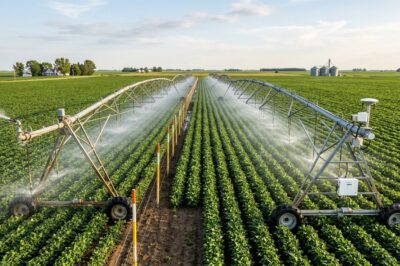
Electric vs Hydraulic Center Pivot Drive System Performance for Soybean Precision Irrigation Applications
Key Takeaways Article Summary: Electric center pivot systems are best for soybean farmers who want lower energy costs and advanced variable rate irrigation technology, while hydraulic systems excel at providing the most uniform water application through continuous movement, especially for chemigation and fertigation programs. Understanding the Core Difference Between Electric and Hydraulic Center Pivot Systems The…

Follow Us
-
GPS vs Traditional Pivot Guidance for Soybeans: Accuracy, Maintenance, and Upgrade Economics
-
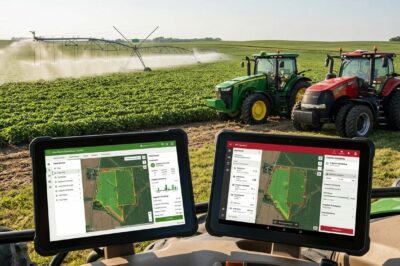
John Deere vs Case IH Irrigation Platform for Soybeans: Operations Center vs AFS Connect and What Each Actually Manages
-
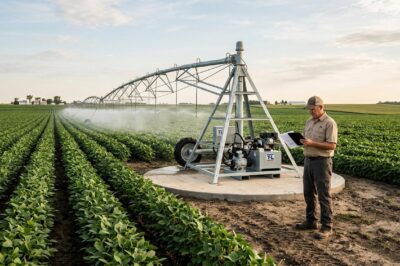
T-L Irrigation Pricing for Soybeans: What Drives System Cost and How to Compare Per-Acre Investment
-
Pivot Wheel Track Compaction and Soybean Yield: Impact, Measurement, and Management