
-

Integrating Renewable Energy into Smart Irrigation Systems
Key Takeaways Solar irrigation for soybean crops uses photovoltaic panels to power pumps and smart controllers, eliminating fuel costs while qualifying for federal grants. This technology reduces operating expenses, increases water efficiency, and provides energy independence—especially valuable for remote farms or those seeking long-term profitability and environmental stewardship. Why Solar-Powered Irrigation Makes Financial Sense for…
-

Stage-Specific Fertigation Plans for Maximum Soybean Efficiency
Key Takeaways Stage-specific fertigation plans match nutrient delivery to soybean growth demands at each development phase, from emergence through maturity. By applying phosphorus and potassium when root systems are establishing (V1-V3) and during critical reproductive stages (R3-R5), farmers achieve 80-90% nutrient efficiency compared to 40% with traditional broadcast methods, while managing nitrogen carefully to support…
-

Early Season Irrigation Mistakes That Limit Soybean Yield (V1–V4)
Key Takeaways Article Summary The biggest early season irrigation mistake farmers make is watering soybeans too much during V1 through V4 vegetative stages, which causes shallow rooting, increases disease pressure (especially white mold), and reduces final yield potential. Smart irrigation technology including soil moisture sensors and weather-based controllers helps farmers avoid these costly mistakes by…
-

Top 5 Soybean Diseases Caused by Poor Irrigation Timing
Key Takeaways Poor irrigation timing triggers five major soybean diseases by creating saturated soil conditions that favor fungal and oomycete pathogens, particularly during early growth stages when plants are most vulnerable. These diseases share a common cause: too much water at the wrong time, which depletes soil oxygen and weakens plant defenses. Understanding How Overwatering…
-

Smart Irrigation Glossary: Key Terms Every Farmer Should Know
Key Takeaways Smart irrigation glossary terms help farmers understand the technology that saves water and improves soybean yields. These systems use sensors to measure soil and weather conditions, then controllers automatically adjust watering to match what your crops actually need. Quick Reference: Which Smart Irrigation Term Do I Need? If You Want To… Look For This…
-

Soybean Irrigation Water Requirements: How Much Water Do Soybeans Really Need?
Key Takeaways Soybean irrigation water requirements range from 18 to 28 inches throughout the growing season, with the critical reproductive period from flowering through seed fill accounting for over 60% of total water needs. Applying the right amount of water at the right time determines whether you harvest 40 bushels per acre or 70. Understanding Soybean…
-

How Variable Rate Irrigation (VRI) Boosts Soybean Yield Efficiency
Key Takeaways Quick Answer Variable rate irrigation for soybeans adjusts water application rates across different field zones based on soil type, topography, and crop needs, typically saving 25% of water while maintaining yields. The system works best in fields with significant variability where at least 20-acre zones have distinct soil differences or slopes exceeding 3 percent,…
-
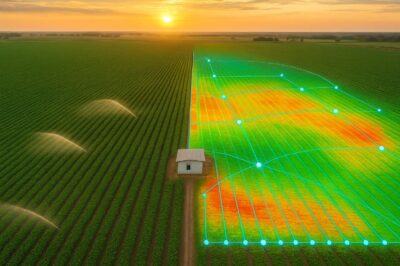
Smart Irrigation Integration Guide: How to Combine Sensors, Weather Data, and Controllers for Soybean Success
Key Takeaways Article Summary: A smart irrigation integration guide for soybean farmers combines soil moisture sensors, weather forecast data, and automated controllers through IoT networks to create an efficient system that waters crops precisely when needed, reducing waste while optimizing yields. Performance Disclaimer: Yield improvements and water savings vary based on baseline conditions, climate, soil type,…
-

Smart Irrigation and Sustainability: Cutting Water Use Without Cutting Yield
Key Takeaways Sustainable smart irrigation for soybeans combines soil sensors, weather data, and automated controls to deliver precise water amounts only when crops need it, cutting water consumption by 20-50% while boosting yields through optimal moisture management at every growth stage. Why Sustainable Irrigation Matters More Than Ever for Soybean Farmers Water is becoming the…
-

State-by-State Guide: Smart Irrigation Incentives for Soybean Farmers (2025 Update)
Key Takeaways Article Summary: Soybean farmers across the United States can access federal and state-level financial assistance programs that cover 50-90% of smart irrigation system costs through USDA NRCS programs like EQIP and state-specific initiatives, with application deadlines and funding levels varying significantly by location and requiring strategic planning to maximize available incentives. While this guide…

Follow Us
-
GPS vs Traditional Pivot Guidance for Soybeans: Accuracy, Maintenance, and Upgrade Economics
-
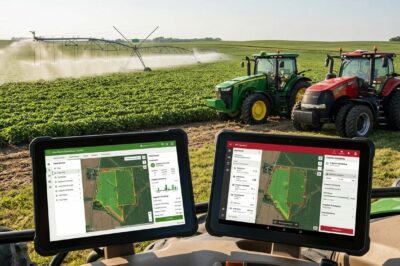
John Deere vs Case IH Irrigation Platform for Soybeans: Operations Center vs AFS Connect and What Each Actually Manages
-
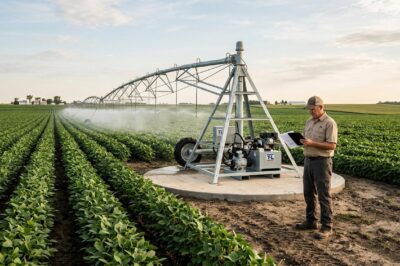
T-L Irrigation Pricing for Soybeans: What Drives System Cost and How to Compare Per-Acre Investment
-
Pivot Wheel Track Compaction and Soybean Yield: Impact, Measurement, and Management