
-
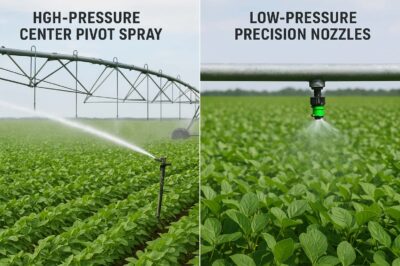
Low-Pressure Center Pivot Packages: How to Cut Energy Costs Without Reducing Coverage
Key Takeaways Article Summary: Low-pressure irrigation systems for center pivots reduce operating pressure from standard 40-80 psi to 10-25 psi through specialized nozzle packages (LESA, LEPA, drop nozzles), cutting energy costs while maintaining excellent distribution uniformity through precise water placement near the crop canopy. What Are Low-Pressure Center Pivot Packages? Low-pressure center pivot packages transform…
-
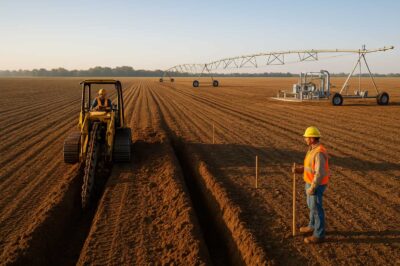
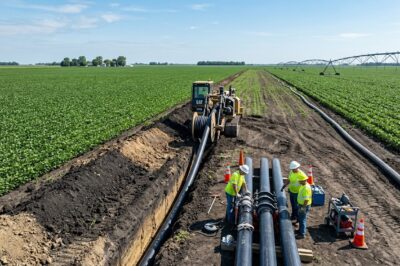
Infrastructure Requirements for Installing a Center Pivot on Soybean Fields
Key Takeaways Article Summary Installing a center pivot irrigation system requires substantial pre-installation infrastructure including verified water source capacity (450-800 GPM), three-phase electrical service or alternative power, graded and accessible land, proper drainage systems, and regulatory permits—typically adding $35,000-$100,000+ to project costs before the pivot system itself is purchased. Understanding Center Pivot Infrastructure Needs When…
-
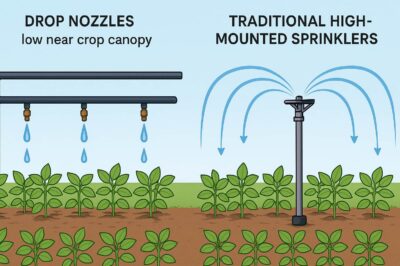
Drop Nozzles for Center Pivots: Designs, Spacing, Pressure Management & Yield Impact
Key Takeaways Drop nozzles are water delivery devices installed on flexible hoses or rigid tubes that extend downward from center pivot pipelines, positioning water application 18-36 inches closer to the crop canopy. This configuration reduces wind drift by 40-60%, cuts evaporation losses by 15-25%, and improves application uniformity to over 90%, directly increasing soybean yields during…
-
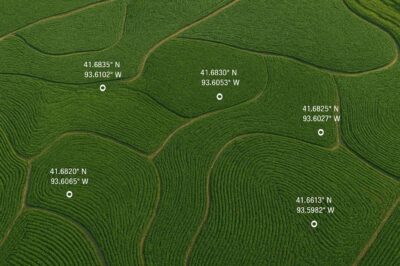
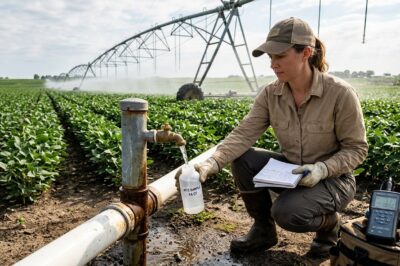
Building Sensor Networks to Prevent Phytophthora in Disease-Prone Soybean Fields
Key Takeaways Multi-zone sensor networks prevent Phytophthora and root diseases by monitoring water levels in problem areas before saturation occurs Strategic sensor placement at 6, 12, and 24-inch depths captures drainage patterns that single-sensor systems miss Field size determines network design: 40-80 acres need 3-4 sensor stations, 160+ acres require 6-8 stations in disease-prone zones…
-
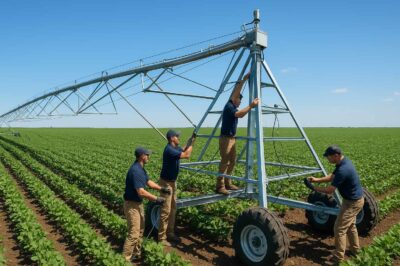
Center Pivot Installation Planning: Infrastructure Requirements, Contractor Selection & Field Preparation for Soybean Farms
Key Takeaways Article Summary Center pivot installation requires careful infrastructure planning including electrical service upgrades, water source verification, field preparation, and contractor selection. Farmers who complete pre-installation assessments 6-12 months before purchase avoid costly delays and ensure successful system deployment for soybean operations. Pre-Installation Infrastructure Assessment The installation process begins long before equipment arrives on…
-
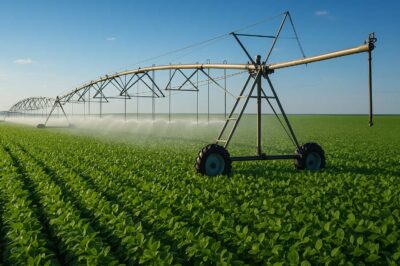
How Center Pivot Distribution Uniformity (DU) Impacts Soybean Yield Variability
Key Takeaways Distribution uniformity determines how consistently your center pivot applies water across every acre. When DU drops below 80%, soybean fields develop dry patches that limit pod fill and over-watered zones that trigger disease, directly reducing both yield and quality at harvest. What Distribution Uniformity Means for Center Pivot Performance Distribution uniformity measures how…
-

Early Season Soybean Irrigation Mistakes That Trigger Deadly Seedling Diseases
Key Takeaways Article Summary The biggest early season soybean irrigation mistake is watering too early and too often during the VE-V3 vegetative stages, which creates oxygen-depleted soil conditions that trigger Pythium damping-off, Phytophthora root rot, and Rhizoctonia stem rot. These seedling diseases can reduce stands by 20-50% and cost farmers $40-120 per acre in yield…
-
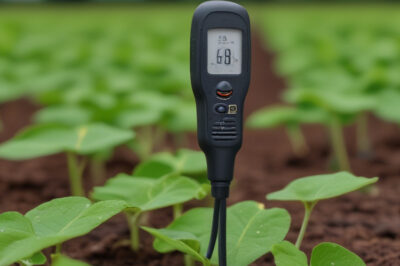
Top 5 Smart Irrigation Tools for the Soybean Season
Key Takeaways Article Summary: The five best smart irrigation tools for soybean production are CropX soil sensors (easiest installation and fastest ROI), AquaSpy multi-depth probes (most detailed root zone data), Valley ICON controllers (best center pivot automation), Lindsay FieldNET platform (most comprehensive farm management), and Arable Mark 3 stations (superior weather and crop monitoring) — each…
-
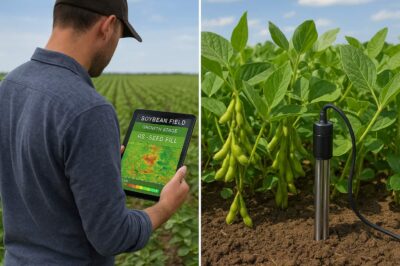
How Growth Stage Monitoring Sensors Improve Irrigation Timing
Key Takeaways Growth stage monitoring sensors soybeans use remote sensing, ground-based probes, and integrated platforms to track vegetative and reproductive development stages, enabling farmers to schedule irrigation precisely when crops need water most. These technologies combine satellite imagery, soil moisture data, and AI-powered phenology models to identify critical periods like R3-R6 when timing irrigation correctly can…
-
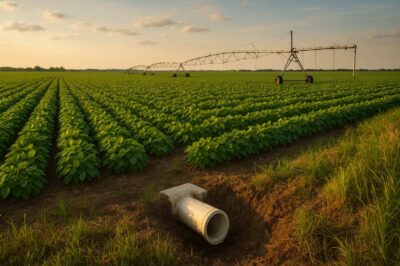
Field Drainage Solutions and Smart Irrigation Balance for Soybean Disease Prevention
Key Takeaways Article Summary: USA soybean farmers facing disease pressure from excess moisture need to invest in field drainage systems ($400-800/acre) to remove standing water and tile drainage before adding smart irrigation technology ($50-150/acre) that optimizes water delivery timing. The combined infrastructure approach reduces white mold and root rot losses by 35-60% while improving overall…
Follow Us
-
GPS vs Traditional Pivot Guidance for Soybeans: Accuracy, Maintenance, and Upgrade Economics
-
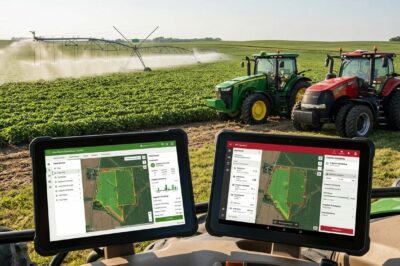
John Deere vs Case IH Irrigation Platform for Soybeans: Operations Center vs AFS Connect and What Each Actually Manages
-
T-L Irrigation Pricing for Soybeans: What Drives System Cost and How to Compare Per-Acre Investment
-
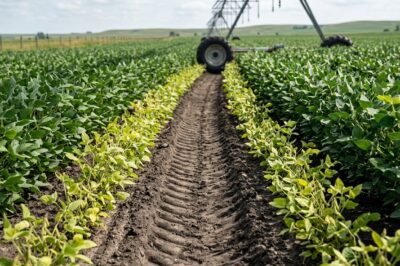
Pivot Wheel Track Compaction and Soybean Yield: Impact, Measurement, and Management