
-
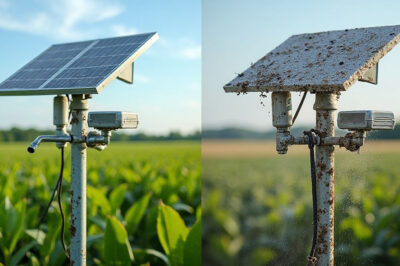
Maintaining On-Farm Weather Stations: Cleaning, Calibration, and Seasonal Checks
Key Takeaways Regular farm weather station maintenance service keeps your irrigation data accurate and reliable. Without proper cleaning and calibration, sensor drift can lead to significant ET calculation errors, causing either water waste or yield-limiting moisture stress during critical reproductive stages. Why Weather Station Maintenance Matters for Soybean Irrigation Your weather station drives every irrigation…
-
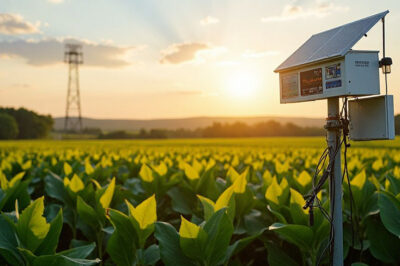
Why Regional Weather Data Often Fails Soybean Farmers (and Local Stations Don’t)
Key Takeaways: Regional weather data from NOAA stations, county COOP networks, or airport-based systems typically comes from 5 to 15 miles away from your soybean fields. These distant measurements can’t capture the rainfall, temperature, humidity, and wind conditions happening right in your production zones, leading to irrigation timing errors that waste water, increase disease pressure,…
-
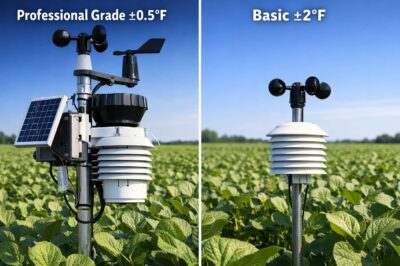
How Accurate Weather Stations Improve Soybean Irrigation Timing Decisions
Key Takeaways: Weather station accuracy determines whether you irrigate your soybeans at the right time or waste water applying it too early or too late. The difference between a ±1°F temperature sensor and a ±2°F sensor translates to real dollars in water costs and yield outcomes, especially during the critical R3 through R5 reproductive stages…
-
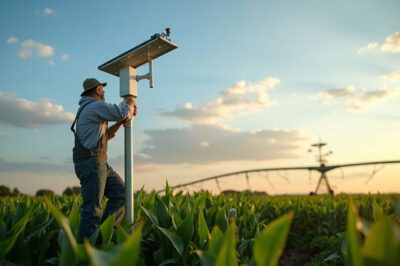
Weather Station Selection Framework: Matching Station Features to Soybean Operation Size and Irrigation Type
Key Takeaways Choosing the right weather station for your soybean operation depends more on matching features to your specific farm layout and irrigation system than simply buying the highest-rated model. Weather stations for irrigation scheduling must deliver accurate evapotranspiration data, integrate with existing controllers, and provide connectivity that works in your field locations. Understanding Your…
-
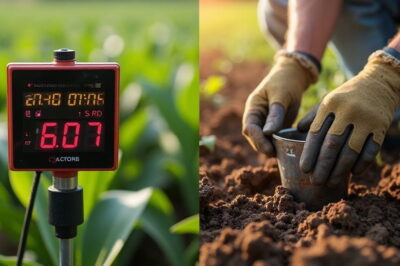
Common Soil Moisture Sensor Data Errors and How Farmers Can Fix Them
Key Takeaways: When your soil moisture sensor shows 85% moisture in bone-dry dirt or drops to zero right after irrigation, you’re seeing one of the most common frustrations in precision agriculture. Faulty sensor data costs soybean farmers money through over-watering, under-watering, and delayed decisions during critical growth stages like R3-R5 pod fill. Why Sensor Readings…
-
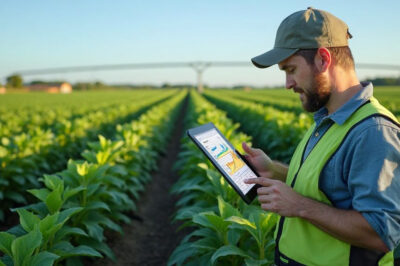
Interpreting Soil Moisture Graphs to Avoid Over-Irrigating Soybeans
Key Takeaways Article Summary: Soil moisture monitoring software for farmers translates sensor data into visual graphs, but many growers struggle to identify over-irrigation patterns in those graphs. Learning to read moisture curves, recognize field capacity spikes, and interpret multi-depth data prevents water waste, nutrient leaching, and yield penalties from excessive irrigation during vegetative stages. Why Soil…
-
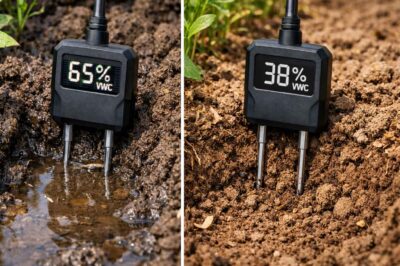
How Rainfall and Saturated Soils Distort Soil Moisture Sensor Readings
Key Takeaways Article Summary Heavy rainfall and saturated soil conditions distort soil moisture sensor readings after rainfall through three primary mechanisms: air gaps around sensors filling with water and spiking readings above field capacity, preferential flow channels delivering water directly to sensors before bulk soil absorbs it, and measurement frequency limitations that cause accuracy drift…
-
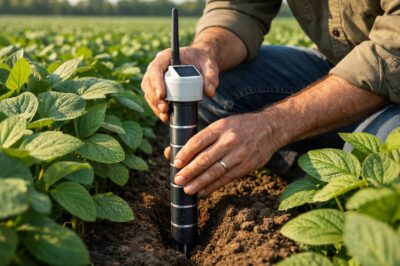
Installing Soil Moisture Sensors in Soybeans: Depth, Spacing, and Placement Mistakes
Key Takeaways Proper soil moisture sensor installation determines whether your irrigation system saves water or wastes it. Sensors installed at the wrong depths, with air gaps, or in non-representative locations will give you false readings that lead to over-irrigation, under-irrigation, and yield loss. Why Installation Quality Matters More Than Sensor Brand You can buy the…
-
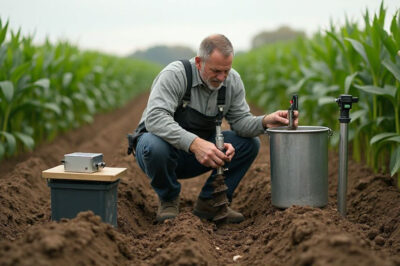
How to Calibrate Soil Moisture Sensors Correctly in Midwest Soybean Fields
Key Takeaways Soil moisture sensor calibration adjusts sensor readings to match actual water content in your specific soil, improving accuracy from the typical ±3% margin of error down to ±1% or better[1]. For Midwest soybean farmers, proper calibration means the difference between confident irrigation decisions and costly mistakes that show up at harvest. Why Calibration…
-

How to Choose Soil Moisture Sensors for Soybean Irrigation: A 3-Tier Budget Guide
Key Takeaways Picking the right soil moisture sensor starts with knowing your budget and your irrigation setup. This guide walks you through three price tiers — from low-cost entry options to full platforms — so you can find the best fit for your soybean operation without overspending. Why Soybean Farmers Need Soil Moisture Sensors Soybeans…

Follow Us
-
GPS vs Traditional Pivot Guidance for Soybeans: Accuracy, Maintenance, and Upgrade Economics
-
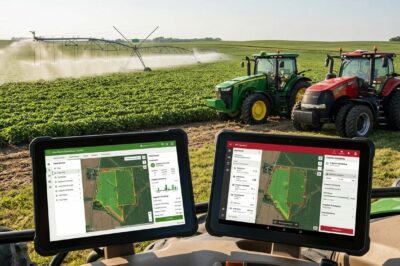
John Deere vs Case IH Irrigation Platform for Soybeans: Operations Center vs AFS Connect and What Each Actually Manages
-
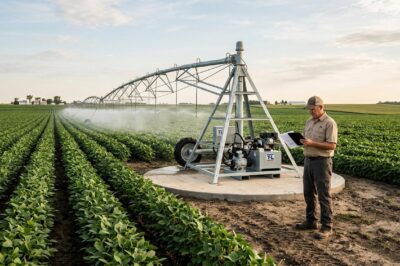
T-L Irrigation Pricing for Soybeans: What Drives System Cost and How to Compare Per-Acre Investment
-
Pivot Wheel Track Compaction and Soybean Yield: Impact, Measurement, and Management