
-
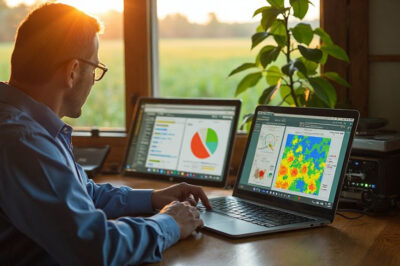
Farm Management Software for Soybean Operations: What Actually Matters When Choosing the Best Farm Management Software for Soybeans
Key Takeaways The best farm management software for soybeans is not the one with the most features — it’s the one that connects your irrigation data, field records, and financials in a way that reduces guesswork and improves your cost per bushel. For Midwest soybean farmers running center pivots or drip systems with smart irrigation already…
-
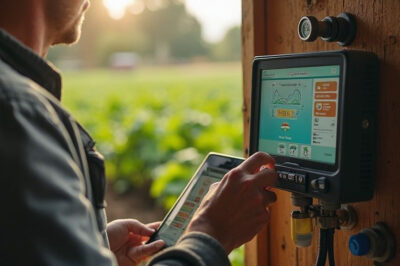
How Smart Controllers Use Sensor and Weather Data to Automate Irrigation
Key Takeaways A sensor-integrated irrigation controller automates watering decisions by comparing real-time soil moisture and weather data against programmed thresholds — if the sensor says the soil is wet enough or rain is coming, the system skips the cycle; if the soil drops below your trigger point, it runs. Getting that configuration right from the…
-
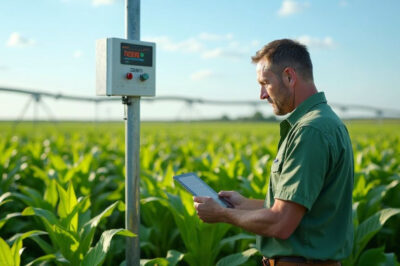
Smart Irrigation Controller Setup Service: 6 Mistakes That Kill Soybean Performance
Key Takeaways Most smart irrigation controller setup service problems are not hardware failures. The controller is working fine. The problem is how it was programmed. A bad crop coefficient, an uncalibrated sensor, a zone runtime that does not match your application rate — any one of these quietly drains water efficiency and yield potential while…
-
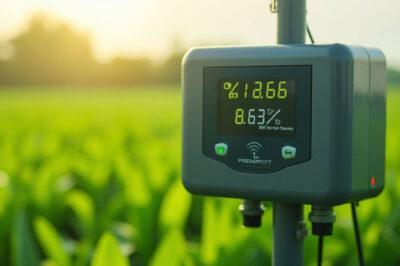
How Smart Irrigation Controllers Reduce Water Waste Without Hurting Yield
Key Takeaways Article Summary Water saving smart irrigation controllers reduce water use by 15-50% through automated adjustments based on weather data and soil moisture readings, while maintaining soybean yield by delivering precise amounts during critical reproductive stages. These systems eliminate chronic overwatering through rain shutoff features, evapotranspiration calculations, and soil moisture thresholds that match actual…
-
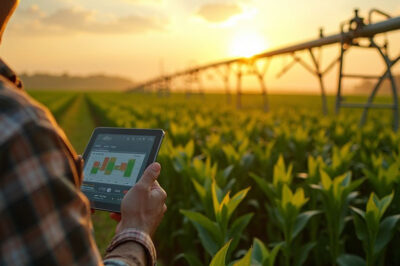
Smart Irrigation Controllers for Soybeans: Features That Actually Improve Yield
Key Takeaways Controllers with accurate ET algorithms, real-time sensor integration, and growth stage scheduling deliver measurable yield protection during critical reproductive stages. Research shows sensor-based systems increased soybean water use efficiency by 49 percent, while VRI management achieved 31.2 percent higher water productivity in soybean compared to uniform irrigation. The difference lies in how controller…
-
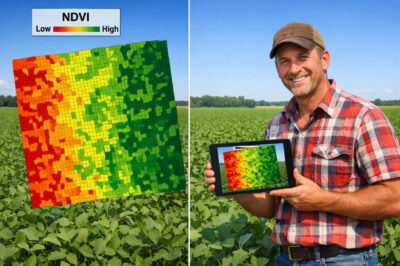
What NDVI Data Really Tells You About Soybean Field Variability
Key Takeaways Article Summary: NDVI crop monitoring systems help soybean farmers identify field variability by measuring canopy reflectance values from 0.6–0.9 for healthy crops down to below 0.4 for stressed areas, using satellite, drone, or handheld and tractor-mounted platforms that each serve different scouting and variable rate application needs. Understanding NDVI Values for Soybean Health…
-

Connecting Chlorophyll Meters to Farm Data Platforms: A Practical Guide
Key Takeaways Digital chlorophyll meters for farms connect to precision agriculture platforms through Bluetooth mobile apps, USB data transfer, or CSV file uploads, enabling soybean growers to create variable-rate nitrogen prescription maps based on georeferenced leaf greenness measurements. This integration transforms handheld SPAD readings into actionable fertility management zones within existing farm management software like…
-
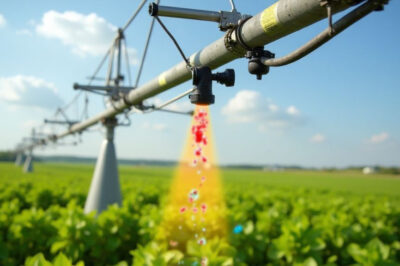
How to Use Canopy Temperature Sensors to Detect Soybean Water Stress Early
Key Takeaways Canopy temperature sensors use infrared thermometry to measure how warm your soybean plants are, tracking transpiration and stomatal closure to predict irrigation needs before stress damages yield. Well-watered soybeans stay 2-4°C cooler than stressed plants at midday because transpiration provides evaporative cooling. Why Canopy Temperature Reveals Water Stress in Soybeans Your soybean plants…
-

Crop Health Sensors for Soybeans: Canopy Temperature, NDVI, and Chlorophyll Explained
Key Takeaways: Crop health sensors help soybean farmers detect irrigation stress, nutrient deficiencies, and disease pressure by measuring canopy temperature, vegetation indices like NDVI, and chlorophyll content. These tools work alongside soil moisture sensors that diagnose root-zone water constraints to give you complete visibility into what’s happening in your fields. Understanding the Three-Layer Sensor Framework…
-
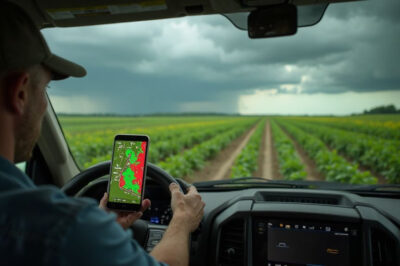
Using Weather Data to Improve Nutrient Timing in Soybean Fields
Key Takeaways Farm weather based nutrient management software helps soybean growers time fertilizer and manure applications to avoid runoff losses. These platforms combine real-time precipitation forecasts with soil conditions to provide go/no-go application windows, preventing nutrient waste and water quality violations. Why Weather Timing Matters More Than Growth Stage Alone Most farmers know soybeans need…
Follow Us
-
GPS vs Traditional Pivot Guidance for Soybeans: Accuracy, Maintenance, and Upgrade Economics
-
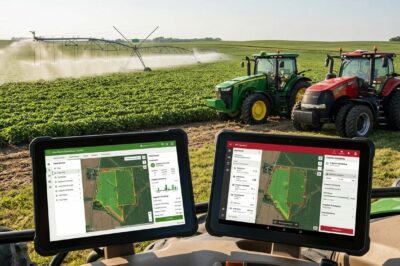
John Deere vs Case IH Irrigation Platform for Soybeans: Operations Center vs AFS Connect and What Each Actually Manages
-
T-L Irrigation Pricing for Soybeans: What Drives System Cost and How to Compare Per-Acre Investment
-
Pivot Wheel Track Compaction and Soybean Yield: Impact, Measurement, and Management