
Key Takeaways
Smart irrigation can significantly reduce the impact of cyst nematodes on soybean yields in Mississippi.
Cyst nematodes disrupt water and nutrient uptake, leading to stunted growth and reduced yields.
Effective management practices include crop rotation, resistant cultivars, and nematicides.
Precision irrigation techniques improve water efficiency and crop health.
Case studies show successful implementation of smart irrigation systems in Mississippi farms.
Smart Irrigation Soybeans Mississippi: Cyst Nematode Management & Control

“U.S. soybean farmers sustainably solve …” from www.agri-pulse.com
Understanding the Challenges of Cyst Nematodes in Soybean Cultivation
Growing soybeans in Mississippi presents unique challenges, especially when dealing with cyst nematodes. These microscopic pests are a significant threat to soybean crops. They feed on the roots, disrupting the plant’s ability to absorb water and nutrients.
Because of this, cyst nematodes can cause severe yield losses if not properly managed. Farmers need to understand how these pests operate to combat them effectively.
Cyst nematodes are tiny, soil-dwelling pests that attack soybean roots.
They disrupt water and nutrient uptake, leading to poor plant health.
Proper management is crucial to prevent significant yield losses.
The Impact of Cyst Nematodes on Soybean Production
The impact of cyst nematodes on soybean production is profound. These pests can reduce yields by up to 30% or more, depending on the severity of the infestation. Symptoms include stunted growth, yellowing leaves, and poor pod development.
Most importantly, cyst nematodes often go undetected until significant damage has already occurred. Therefore, early detection and proactive management are key to minimizing their impact.
The Role of Smart Irrigation in Managing Cyst Nematodes
Smart irrigation plays a crucial role in managing cyst nematodes. By precisely controlling water application, farmers can create unfavorable conditions for nematode development. This reduces their population and minimizes crop damage. Learn more about wireless soil moisture sensors for smart irrigation.
Besides that, smart irrigation systems help optimize water usage, ensuring that crops receive the right amount of moisture without overwatering. This is essential in regions like Mississippi, where water conservation is critical.
Importance of Smart Irrigation for Soybeans in Mississippi
Climate and Soil Conditions in Mississippi
Mississippi’s climate and soil conditions are ideal for soybean cultivation but also for cyst nematodes. The warm, humid climate and rich, loamy soils provide a perfect breeding ground for these pests. Implementing wireless soil moisture sensors which feed data into irrigation controlers can help manage these conditions effectively.
Therefore, implementing smart irrigation systems can help mitigate the risk of nematode infestations by maintaining optimal soil moisture levels and reducing stress on plants.
Benefits of Smart Irrigation Systems

“Smart Fertigation Technology” from www.automatworld.in
Smart irrigation systems offer numerous benefits for soybean farmers in Mississippi. These systems use advanced technology to monitor soil moisture levels and adjust water application accordingly.
Here are some key benefits:
Improved water efficiency: Smart irrigation ensures that crops receive the right amount of water, reducing waste.
Enhanced crop health: By maintaining optimal moisture levels, smart irrigation promotes healthy root development and reduces stress on plants.
Reduced risk of nematode infestations: Proper water management creates unfavorable conditions for cyst nematodes, helping to keep their populations in check.
Economic Advantages for Farmers
Implementing smart irrigation systems can also provide significant economic advantages for farmers. While the initial investment may be higher, the long-term benefits often outweigh the costs.
Increased yields: Healthier plants and reduced pest pressure lead to higher yields and better profitability.
Lower water costs: Efficient water usage means lower irrigation costs and reduced strain on water resources.
Reduced pesticide and nematicide use: With fewer pests to manage, farmers can save on chemical inputs and reduce their environmental impact.
Soybean Cyst Nematodes: A Threat to Yield

“Soybean Cyst Nematode | CropWatch” from cropwatch.unl.edu
Life Cycle of Soybean Cyst Nematode
Understanding the life cycle of soybean cyst nematodes is crucial for effective management. These pests go through several stages: eggs, juveniles, and adults. Each stage has specific vulnerabilities that can be targeted with appropriate management practices. For more detailed information, you can refer to this overview of soybean cyst nematode.
For instance, nematodes are most vulnerable during the juvenile stage when they are actively seeking out soybean roots to feed on. By disrupting their life cycle at this stage, farmers can significantly reduce nematode populations and minimize crop damage. Using automated irrigation control systems can help in this process by ensuring optimal soil conditions.
Symptoms and Identification in the Field
Identifying cyst nematode infestations in the field can be challenging, as symptoms often resemble those of nutrient deficiencies or other diseases. Key symptoms to look for include stunted growth, yellowing leaves, and poor pod development. Effective management can be achieved through the use of soil moisture sensors to monitor and optimize irrigation practices.
Farmers should regularly inspect their fields for these symptoms and conduct soil tests to confirm the presence of nematodes. Early detection is critical for effective management and minimizing yield losses.
Economic Impact of Infestation
The economic impact of cyst nematode infestations can be significant. In severe cases, yield losses can exceed 30%, leading to substantial financial losses for farmers. Besides direct yield losses, infestations can also increase production costs by necessitating additional inputs such as nematicides and fertilizers.
Therefore, investing in effective management practices, including smart irrigation systems, can help mitigate these economic impacts and improve overall profitability.
Current Management Practices for Cyst Nematodes

“Soybean in Crop Rotation with Maize and …” from link.springer.com
Managing cyst nematodes requires a multifaceted approach. Farmers must combine cultural practices, use of resistant cultivars, and chemical treatments to keep nematode populations under control. Let’s explore these practices in detail, including the role of cover crops in controlling soil erosion.
Cultural Practices and Crop Rotation
Cultural practices, such as crop rotation, play a vital role in managing cyst nematodes. By rotating soybeans with non-host crops like corn or wheat, farmers can reduce nematode populations in the soil.
For example, a study in Mississippi found that rotating soybeans with corn reduced nematode populations by up to 50% in just two years.
Besides crop rotation, other cultural practices include maintaining good field hygiene, avoiding the use of contaminated equipment, and planting cover crops that suppress nematode populations.
Use of Resistant Soybean Cultivars
Planting resistant soybean cultivars is another effective strategy for managing cyst nematodes. These cultivars have been bred to resist nematode infestation, reducing the impact on crop yields.
Farmers should select resistant cultivars that are well-suited to their specific growing conditions and nematode populations. Combining resistant cultivars with other management practices can provide a robust defense against nematodes.
Application of Nematicides
Nematicides are chemical treatments used to control nematode populations in the soil. While effective, they should be used judiciously to avoid environmental harm and resistance development.
Farmers should follow recommended application rates and timing to maximize the effectiveness of nematicides. Integrating nematicides with other management practices can provide a comprehensive approach to nematode control.
Smart Irrigation Strategies for Cyst Nematode Management
Smart irrigation strategies can significantly enhance the effectiveness of nematode management practices. By optimizing water usage, farmers can create conditions that are less favorable for nematode development. For instance, using wireless soil moisture sensors can help monitor and adjust irrigation levels precisely.
Precision Irrigation Techniques
Precision irrigation techniques involve applying water in precise amounts and locations to meet crop needs. This reduces water waste and ensures that crops receive adequate moisture without overwatering.
Using technologies like soil moisture sensors and automated irrigation systems, farmers can tailor their irrigation practices to the specific needs of their fields. This helps maintain optimal soil moisture levels, reducing stress on plants and limiting nematode development.
Monitoring Soil Moisture Levels

“Soil Moisture Meter, Plant Moisture …” from www.homedepot.com and used with no modifications.
Monitoring soil moisture levels is a critical component of smart irrigation. By regularly checking soil moisture, farmers can adjust their irrigation practices to avoid overwatering or underwatering. For more information on managing soil moisture and irrigation, you can visit this Mississippi State University extension publication.
Soil moisture sensors provide real-time data on soil conditions, allowing farmers to make informed decisions about when and how much to irrigate. This helps maintain healthy root systems and reduces the risk of nematode infestations.
Implementing Drip and Subsurface Irrigation
Drip and subsurface irrigation systems deliver water directly to the root zone, minimizing evaporation and runoff. These systems provide precise water delivery, ensuring that crops receive the right amount of moisture.
Besides improving water efficiency, drip and subsurface irrigation can help reduce the spread of nematodes by maintaining consistent soil moisture levels. This creates a less favorable environment for nematode development and reduces their impact on crop yields.
Smart Irrigation Best Practices and Benefits
Best Practice
Combining smart irrigation with other management practices, such as resistant cultivars and crop rotation, provides a comprehensive approach to nematode control.
Regular monitoring of soil moisture levels is essential for maintaining optimal irrigation practices and reducing nematode development.
Investing in smart irrigation technology can lead to significant improvements in crop yields and profitability.
By following these best practices, farmers can effectively manage cyst nematodes and enhance their soybean production.
Benefit: Improved Water Efficiency
One of the most significant benefits of smart irrigation is improved water efficiency. Traditional irrigation methods often result in overwatering, which not only wastes water but also creates favorable conditions for pests like cyst nematodes. Smart irrigation systems use technologies such as soil moisture sensors and automated controllers to deliver water precisely when and where it is needed.
By optimizing water usage, farmers can reduce water waste and ensure that their crops receive adequate moisture without creating excess runoff or waterlogged conditions. This is particularly important in Mississippi, where water resources can be limited and conservation is critical. For more information on effective methods, check out soil moisture sensors for smart irrigation.
Benefit: Enhanced Crop Health and Yield
Smart irrigation systems contribute to enhanced crop health and yield by maintaining optimal soil moisture levels. Consistent moisture availability promotes healthy root development, which is essential for nutrient uptake and overall plant health. Healthy plants are more resilient to pests and diseases, including cyst nematodes.
Additionally, by reducing water stress, smart irrigation helps prevent conditions that favor nematode infestations. As a result, farmers can achieve higher yields and better quality crops, leading to increased profitability.
Benefit: Reduction in Pesticide and Nematicide Use
Implementing smart irrigation can also lead to a reduction in the use of pesticides and nematicides. By creating an environment that is less favorable for nematode development, farmers can minimize the need for chemical treatments. This not only reduces production costs but also has positive environmental impacts. Learn more about automated irrigation control systems for sustainable soybean farming.
Moreover, reducing chemical usage helps prevent the development of resistance in pest populations, ensuring that available treatments remain effective for longer periods. This integrated approach to pest management supports sustainable farming practices.
Future Prospects and Innovations
The future of smart irrigation in soybean farming looks promising, with ongoing advancements in technology and growing awareness of the benefits. Emerging technologies and innovative practices are set to further enhance the effectiveness of smart irrigation systems.
As more farmers adopt these systems, we can expect to see significant improvements in water efficiency, crop health, and overall farm profitability. Collaboration between farmers, researchers, and technology providers will be key to driving these innovations forward.
Emerging Technologies in Smart Irrigation
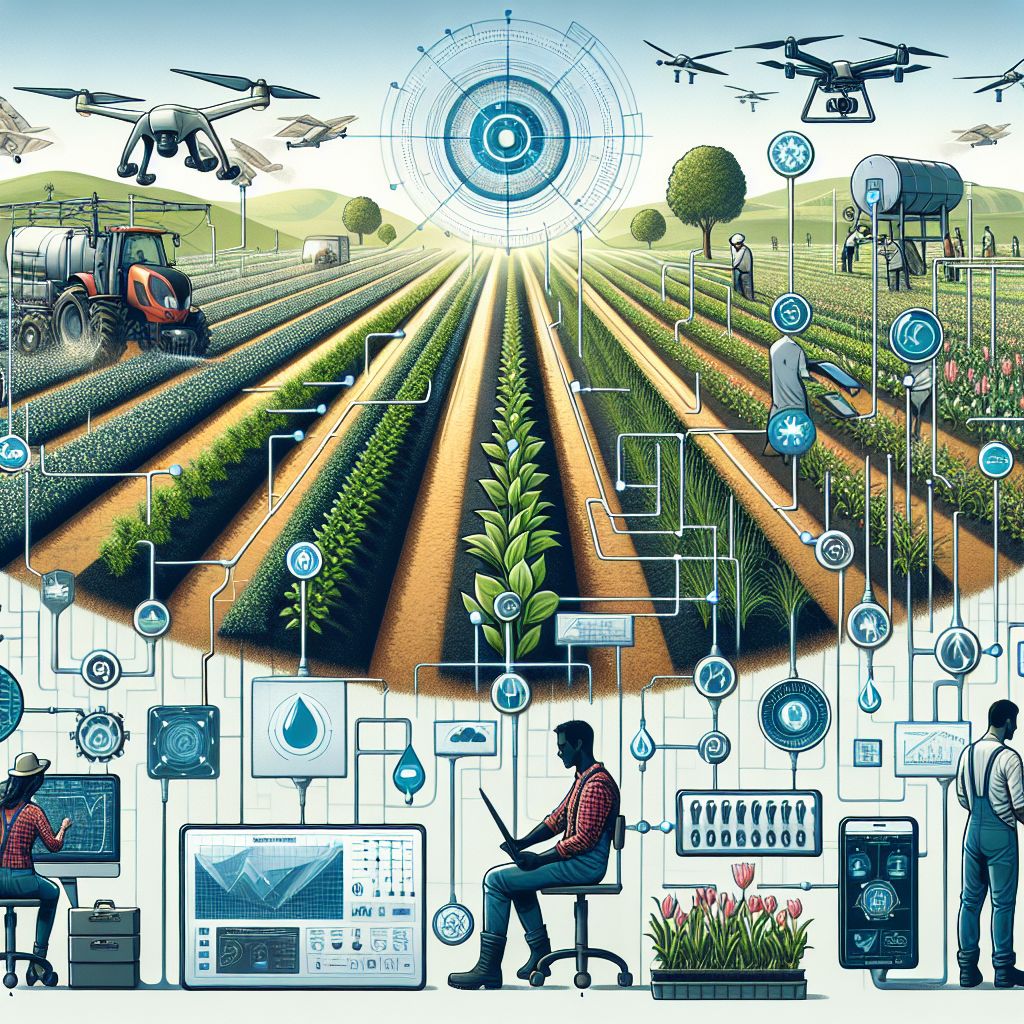
Several emerging technologies are poised to revolutionize smart irrigation practices:
Advanced soil moisture sensors: These sensors provide real-time data on soil conditions, allowing for precise irrigation management.
Automated irrigation controllers: These systems use weather forecasts and soil data to adjust irrigation schedules automatically.
Remote monitoring and control: Farmers can monitor and control their irrigation systems remotely using mobile apps and web platforms.
Machine learning algorithms: These algorithms analyze data from various sources to optimize irrigation practices and predict future water needs.
By integrating these technologies, farmers can achieve even greater efficiency and effectiveness in their irrigation practices. For more information on managing irrigation in soybean cultivation, visit this resource on soybean cyst nematode management.
Potential for Increased Soybean Production
The adoption of smart irrigation systems has the potential to significantly increase soybean production in Mississippi. By improving water management and reducing pest pressures, farmers can achieve higher yields and better crop quality. For more information, check out this overview of soybean cyst nematode.
Increased production not only benefits individual farmers but also contributes to the overall agricultural economy of the region. With continued investment in smart irrigation technology and best practices, Mississippi’s soybean industry can thrive and expand.
Collaboration Opportunities for Farmers and Researchers
Collaboration between farmers and researchers is essential for the successful implementation and advancement of smart irrigation practices. Researchers can provide valuable insights into the latest technologies and best practices, while farmers can share their on-the-ground experiences and challenges.
By working together, farmers and researchers can develop tailored solutions that address the specific needs of soybean farming in Mississippi. This collaborative approach will drive innovation and ensure that smart irrigation systems continue to evolve and improve.
Frequently Asked Questions (FAQ)
Here are some common questions about smart irrigation and cyst nematode management in soybean farming:
How do cyst nematodes affect soybean plants?
Cyst nematodes feed on soybean roots, disrupting the plant’s ability to absorb water and nutrients. This leads to stunted growth, yellowing leaves, and reduced yields. Severe infestations can cause yield losses of up to 30% or more.
What are the benefits of using smart irrigation systems?
Smart irrigation systems offer several benefits, including improved water efficiency, enhanced crop health and yield, and reduced use of pesticides and nematicides. These systems use advanced technology to optimize water usage and create conditions that are less favorable for pests like cyst nematodes.
Can crop rotation help manage soybean cyst nematodes?
Yes, crop rotation is an effective strategy for managing cyst nematodes. Rotating soybeans with non-host crops like corn or wheat can reduce nematode populations in the soil. This practice disrupts the nematode life cycle and helps prevent infestations.





Leave a Reply