
Key Takeaways
- Charcoal rot in soybeans is primarily caused by the fungus Macrophomina phaseolina, thriving in hot, dry conditions.
- Early symptoms include brown streaking in roots, while late symptoms show black fungal structures on lower stems.
- Effective control involves cultural practices like crop rotation and no-till farming, rather than relying on fungicides.
- Precision irrigation can mitigate drought stress, reducing the severity of charcoal rot.
- Understanding environmental triggers and soil management is key to preventing outbreaks.
Charcoal rot in soybeans is caused by the fungus Macrophomina phaseolina, which presents symptoms like brown streaking in roots and black structures on stems.
Immediate Signs and Symptoms of Soybean Charcoal Rot
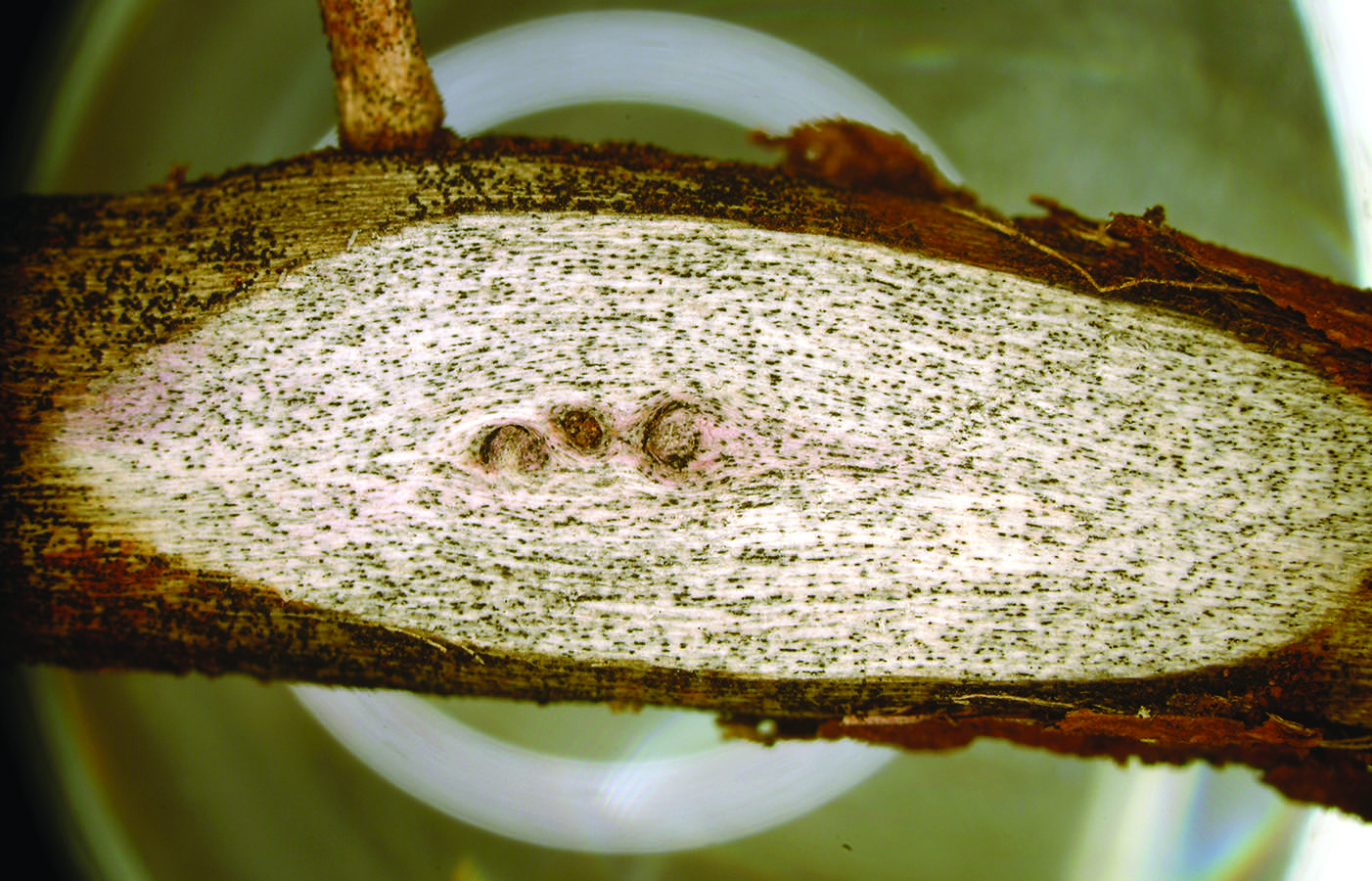
“8 facts about charcoal rot in soybean …” from crops.extension.iastate.edu
| Key Point | Details |
|---|---|
| Cause | Charcoal rot is caused by the fungus Macrophomina phaseolina, thriving in hot, dry conditions. |
| Early Symptoms | Brown streaking in roots; subtle discoloration before black fungal structures appear. |
| Late Symptoms | Black fungal microsclerotia on stems; plant wilting and reduced pod production. |
| Risk Factors | Drought stress, poor soil health, and high planting density exacerbate the disease. |
| Cultural Practices | Crop rotation, no-till farming, and optimal planting dates reduce risks. |
| Irrigation Strategies | Precision irrigation minimizes drought stress and improves water efficiency. |
| Soil Management | Improving soil moisture retention through mulching and organic matter addition mitigates disease. |
| Biological Control | Promising biocontrol agents include beneficial fungi and bacteria to suppress the pathogen. |
| Fungicide Limitations | Fungicides are ineffective due to the fungus residing in soil and potential resistance issues. |
| Technological Advances | Soil moisture sensors and weather-based tools optimize irrigation and reduce risk. |
Benefits of Effective Management of Soybean Charcoal Rot
When it comes to managing soybean charcoal rot, the first step is recognizing the disease early. This fungal disease, caused by Macrophomina phaseolina, can strike at any growth stage but is most devastating after flowering. Therefore, knowing what to look for can save you from a significant yield loss.
“The first symptoms of charcoal rot are often a brown streaking in the taproot or secondary roots. At this point, the microsclerotia have not yet begun to develop.”
In its early stages, you might notice subtle changes in your soybean plants. These can include a slight discoloration or streaking on the roots. These changes might seem minor but are crucial indicators of the disease’s onset. As the disease progresses, the symptoms become more pronounced.
Later on, you’ll observe small, black fungal structures called microsclerotia forming on the lower stems and roots. These structures give the disease its “charcoal” name, as they resemble tiny charcoal pieces embedded in the plant tissue. Identifying these signs early can help you take timely action to prevent further damage.
Identifying Early Indicators in Soybean Plants
Spotting the early signs of charcoal rot requires a keen eye and regular monitoring of your soybean fields. Start by examining the plants’ roots and lower stems, particularly during hot and dry periods, which are ideal conditions for the fungus to thrive.
Look for brown streaks or discoloration in the roots, which are the initial symptoms of infection. These streaks are often accompanied by a general weakening of the plant, as the disease impairs the plant’s ability to transport water and nutrients. For more detailed information, you can read about soybean charcoal rot on the NC State Extension Publications website.
Early detection is your best defense against charcoal rot. By identifying the disease before it spreads, you can implement control measures to protect the rest of your crop. Regular field inspections, especially during critical growth stages, are essential for maintaining healthy soybean plants.
Late-Stage Symptoms and Damage Assessment
As charcoal rot progresses, the symptoms become more severe, affecting the overall health and yield of the soybean plants. In advanced stages, the disease can cause significant damage, leading to plant wilting, premature death, and reduced pod production. For more information on managing soybean diseases, visit our guide on common soybean diseases and pest identification.
The presence of microsclerotia on the stems and roots is a clear indication that the disease has advanced. These black, charcoal-like structures can be seen with the naked eye and are a telltale sign of severe infection.
Assessing the extent of the damage is crucial for determining the impact on your yield. By understanding the severity of the infection, you can make informed decisions about managing the disease and planning for future planting seasons.
Common Misdiagnoses with Other Soybean Diseases
“In some cases, charcoal rot symptoms may appear in lower wetter areas of the field. In these instances, the soybeans (may) have previously been infected with other root rotting diseases including Pythium, Phytophthora or Rhizoctonia root rot.”
It’s not uncommon for charcoal rot to be misdiagnosed as other soybean diseases, particularly those that cause similar symptoms. Diseases like Pythium, Phytophthora, and Rhizoctonia root rot can also cause root discoloration and plant wilting, leading to confusion in diagnosis.
To avoid misdiagnosis, it’s important to consider the environmental conditions and examine the specific symptoms present. Charcoal rot is more likely to occur in hot, dry conditions, while other root rots are typically associated with wet soil conditions. By understanding these distinctions, you can accurately identify the disease and implement the appropriate control measures.
Causes and Risk Factors
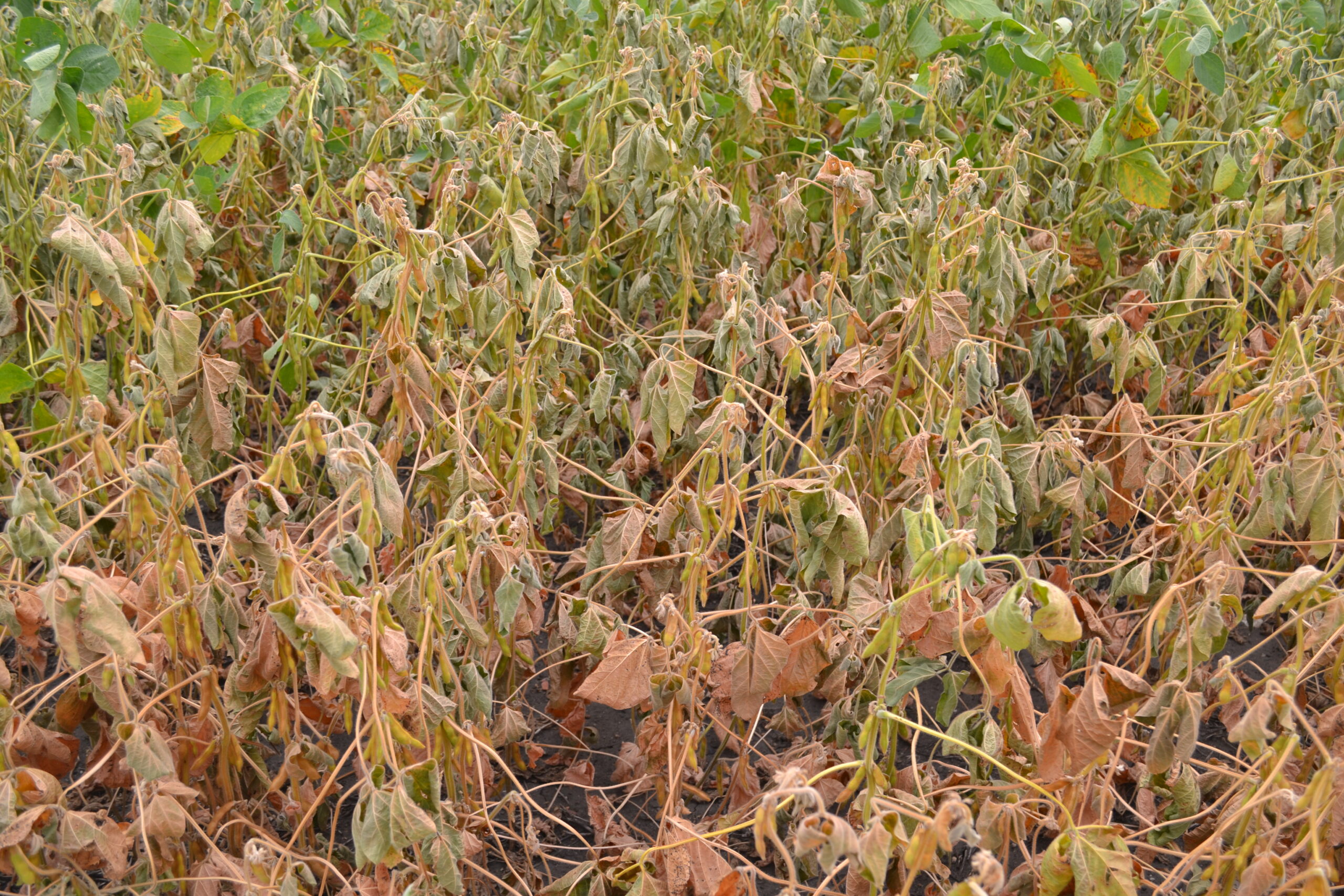
“Charcoal Rot of Soybeans | NDSU Agriculture” from www.ndsu.edu
Understanding the causes and risk factors of charcoal rot is essential for effective disease management. This fungal disease thrives under specific environmental conditions, and knowing what triggers its development can help you take preventive measures.
Role of Environmental Conditions
Environmental conditions play a significant role in the development and spread of charcoal rot. The fungus Macrophomina phaseolina prefers hot, dry conditions, making drought-stressed plants more susceptible to infection. During periods of high temperatures and low rainfall, the fungus becomes more active, increasing the risk of disease outbreaks.
Besides temperature and moisture, soil health also influences the disease’s prevalence. Poor soil conditions, such as compaction or low organic matter, can exacerbate the impact of charcoal rot by weakening the plants’ defenses. Therefore, maintaining healthy soil is a crucial component of disease prevention.
Impact of Soil and Water Stress
Soil and water stress are significant contributors to the severity of charcoal rot. When plants experience drought stress, their ability to resist fungal infections diminishes, making them more vulnerable to charcoal rot. This is why the disease is often more prevalent in fields with inadequate irrigation or poor water management practices.
Improving soil moisture retention and reducing water stress can help mitigate the impact of charcoal rot. Implementing practices like mulching, cover cropping, and organic matter addition can enhance soil health and improve its water-holding capacity, providing a buffer against drought conditions. For more insights, explore smart irrigation strategies that can further support soybean growth.
Other Contributing Factors
Aside from environmental conditions, several other factors contribute to the development of charcoal rot in soybean crops. These factors can either directly increase the susceptibility of plants or create an environment conducive to the fungus’s growth.
Certain agricultural practices, such as continuous soybean cropping without rotation, can exacerbate the risk of charcoal rot. Without rotation, the pathogen can build up in the soil over time, increasing the likelihood of infection in subsequent crops. Therefore, incorporating a diverse crop rotation plan is beneficial for breaking the disease cycle.
Moreover, planting density plays a role. High planting density can lead to increased competition for resources among plants, stressing them and making them more susceptible to diseases like charcoal rot. Therefore, managing planting density and ensuring optimal spacing can help reduce disease incidence.
Effective Disease Control Methods
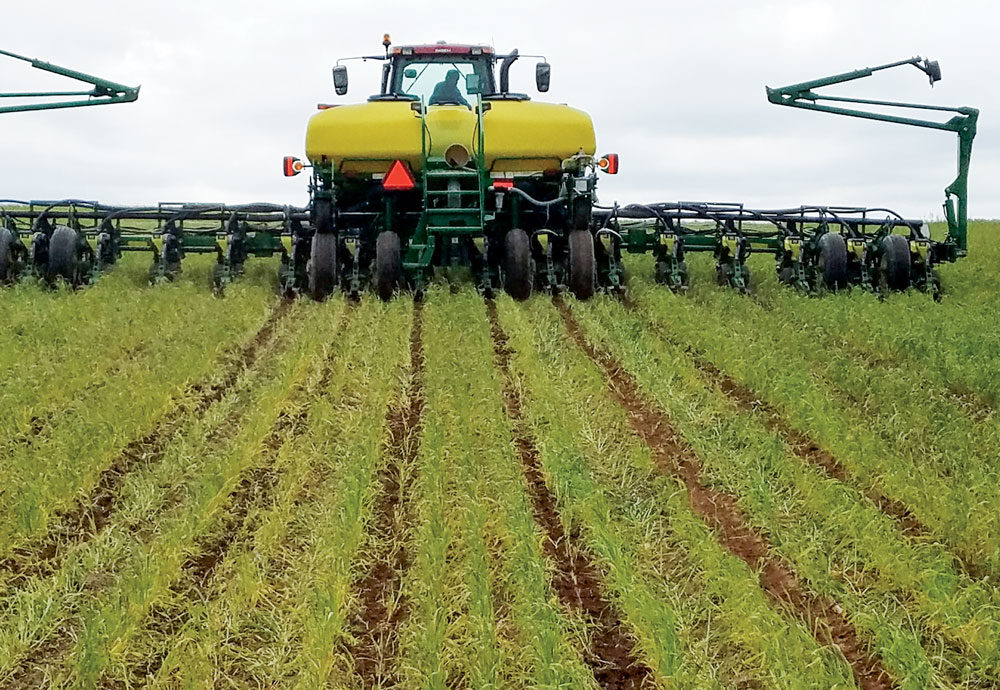
“No-Till Soybeans” from www.no-tillfarmer.com
Controlling charcoal rot requires a comprehensive approach that integrates various management strategies. Since the disease thrives under specific conditions, altering these conditions through cultural and biological practices can effectively reduce its impact.
Cultural Practices for Managing Charcoal Rot
Cultural practices form the backbone of managing charcoal rot in soybean fields. These practices aim to create an unfavorable environment for the fungus while enhancing the plants’ resilience against infection.
- Crop Rotation: Rotating soybeans with non-host crops like corn or small grains can disrupt the lifecycle of the pathogen, reducing its presence in the soil.
- No-Till Farming: No-till or reduced-till systems can help maintain soil structure and moisture, making conditions less favorable for the fungus.
- Optimal Planting Dates: Adjusting planting dates to avoid peak disease conditions can reduce the risk of infection. Planting earlier in the season, when temperatures are cooler, can help minimize disease incidence.
Biological Control Options
Biological control involves using natural organisms to suppress the growth of the charcoal rot fungus. This approach is gaining popularity as it offers an environmentally friendly alternative to chemical treatments.
Research is ongoing to identify effective biocontrol agents that can combat Macrophomina phaseolina. Some promising candidates include certain strains of beneficial fungi and bacteria that can outcompete or inhibit the pathogen’s growth. By enhancing the soil’s microbial diversity, these biocontrol agents can help reduce disease pressure and promote healthier soybean plants. For more insights on managing soybean diseases, check out this resource on soybean diseases and pest management.
Challenges and Limitations of Fungicide Use
While fungicides are commonly used to control plant diseases, they are not typically recommended for managing charcoal rot. The limitations of fungicide use in this context are due to several factors.
Firstly, the fungus resides in the soil, making it difficult for fungicides to reach and effectively control it. Additionally, the development of fungicide-resistant strains poses a significant challenge, reducing the efficacy of chemical treatments over time.
Moreover, the cost and environmental impact of fungicide application can be prohibitive. Therefore, integrating cultural and biological practices is often a more sustainable and effective approach to managing charcoal rot, including the use of smart irrigation strategies.
Incorporating Smart Irrigation Strategies

Smart irrigation strategies play a crucial role in mitigating the impact of charcoal rot by addressing one of its primary triggers: drought stress. By ensuring adequate soil moisture, farmers can enhance plant health and resilience against the disease. For more insights, explore precision agriculture equipment that supports smart irrigation practices.
Benefits of Precision Irrigation
Precision irrigation involves using technology to apply water efficiently and effectively, targeting specific areas of the field that require moisture. This approach offers several benefits in managing charcoal rot.
- Water Efficiency: Precision irrigation systems, such as drip or sprinkler irrigation, deliver water directly to the root zone, minimizing waste and ensuring plants receive the necessary moisture.
- Reduced Drought Stress: By maintaining optimal soil moisture levels, precision irrigation reduces drought stress, enhancing the plants’ ability to resist charcoal rot.
- Cost Savings: Efficient water use translates to lower water bills and reduced labor costs, providing economic benefits to farmers.
Adapting Irrigation to Weather Patterns
Adapting irrigation practices to align with weather patterns is essential for optimizing water use and minimizing disease risk. Monitoring weather forecasts and soil moisture levels can help farmers make informed decisions about when and how much to irrigate.
For instance, during periods of predicted rainfall, reducing irrigation can prevent overwatering, which could otherwise create conditions favorable for other root diseases. Conversely, during dry spells, increasing irrigation can help mitigate drought stress and reduce the risk of charcoal rot.
Utilizing weather-based irrigation scheduling tools can further enhance the effectiveness of irrigation management. These tools provide real-time data on weather conditions and soil moisture, enabling precise irrigation adjustments to optimize plant health and yield.
Utilizing Technology to Monitor Soil Moisture
Technology has revolutionized agriculture, and monitoring soil moisture is no exception. By using advanced tools, farmers can gain insights into their soil’s condition, allowing for precise irrigation management and reducing the risk of charcoal rot.
Soil moisture sensors are one such tool that provides real-time data on soil water content. These sensors can be placed at various depths in the soil profile, offering a comprehensive view of moisture levels throughout the root zone. By continuously monitoring these levels, farmers can make informed decisions about when and how much to irrigate. For more insights, explore smart irrigation strategies that enhance soybean growth.
Moreover, integrating these sensors with weather data and predictive analytics can further enhance irrigation strategies. By anticipating changes in weather patterns, farmers can adjust their irrigation schedules to align with expected conditions, ensuring optimal soil moisture and reducing the risk of drought stress.
Conclusion and Recommendations
Managing soybean charcoal rot requires a multifaceted approach that combines early detection, effective cultural practices, and smart irrigation strategies. By understanding the disease’s symptoms and causes, farmers can implement preventive measures to protect their crops and maintain healthy yields.
Summary of Best Practices
To effectively manage charcoal rot, consider the following best practices:
- Regularly monitor soybean fields for early signs of charcoal rot, such as brown streaking in roots.
- Implement crop rotation with non-host crops to reduce pathogen buildup in the soil.
- Adopt no-till or reduced-till farming practices to maintain soil health and moisture.
- Utilize precision irrigation systems to ensure efficient water use and minimize drought stress.
- Incorporate soil moisture sensors and weather-based irrigation scheduling tools for optimal irrigation management.
“Use no-till or strip-till systems to increase soil microbial activity and conserve soil moisture, which can reduce charcoal rot incidence. Soybeans direct-seeded in no-till systems typically have lower levels of charcoal rot compared to soybeans under conventional tillage.”
By integrating these practices, farmers can create an environment that minimizes the risk of charcoal rot and promotes healthy soybean growth.
Future Research Directions and Innovations
While significant progress has been made in managing charcoal rot, ongoing research and innovation are essential for developing new solutions and improving existing practices. Future research directions may include exploring the potential of novel biocontrol agents, enhancing the genetic resistance of soybean varieties, and developing more advanced soil moisture monitoring technologies.
Additionally, innovations in precision agriculture, such as machine learning algorithms and remote sensing technologies, hold promise for further optimizing irrigation management and disease control. By staying informed about these advancements, farmers can continue to improve their management strategies and achieve sustainable soybean production.
Frequently Asked Questions (FAQ)

To help address common concerns about soybean charcoal rot, here are answers to some frequently asked questions:
What are the primary symptoms of soybean charcoal rot?
The primary symptoms of soybean charcoal rot include brown streaking in the taproot or secondary roots, black fungal structures (microsclerotia) on the lower stems and roots, wilting, and premature plant death. For more information on identifying and managing soybean diseases, refer to this guide on common soybean diseases. Early detection is crucial for effective management.
How does soil temperature impact the spread of charcoal rot?
Soil temperature plays a significant role in the spread of charcoal rot. The fungus Macrophomina phaseolina thrives in hot conditions, with temperatures above 85°F promoting its activity. Therefore, managing soil temperature through practices like mulching can help reduce disease risk. For more on disease management, explore common soybean diseases and pest identification.
Are there any resistant soybean varieties available?
While there are no soybean varieties that are completely resistant to charcoal rot, some varieties exhibit partial resistance or tolerance. Selecting these varieties, along with implementing other management practices, can help reduce the impact of the disease on your crops.





Leave a Reply