
Key Takeaways
- Sudden Death Syndrome (SDS) is a major threat to soybean crops, often exacerbated by poor irrigation practices.
- Smart irrigation systems can help manage water use efficiently, reducing conditions that favor SDS.
- Integrating smart technology in farming leads to healthier crops and increased yields.
- Understanding the causes and symptoms of SDS is crucial for effective management.
- Adopting resistant soybean varieties and cultural practices can significantly lower SDS outbreaks.
Among the many threats facing soybean farmers, Sudden Death Syndrome (SDS) stands out due to its potential to cause significant yield losses. However, the advent of smart irrigation systems offers a promising solution to this problem. By precisely controlling water usage, these systems can help create conditions less favorable for SDS, ensuring healthier crops and better yields.
Article at a Glance
| Key Element | Details |
|---|---|
| Sudden Death Syndrome Overview | SDS is caused by the fungus Fusarium virguliforme, thriving in moist soils. It damages roots and produces toxins affecting foliage, leading to yield loss. |
| Symptoms of SDS | – Yellowing and wilting of leaves – Interveinal chlorosis (yellow tissue between green veins) – Necrotic lesions and premature leaf drop |
| Impact on Agriculture | – Reduced yield and quality – Substantial economic losses due to lower market value – Increased costs for disease management |
| Cultural Practices to Reduce SDS | – Crop rotation with non-host crops – Avoiding early planting in cool, wet conditions – Maintaining soil nutrition and drainage |
| Use of Resistant Varieties | – Resistant soybean varieties reduce severity of SDS – Consult with local agricultural services to identify suitable varieties |
| Role of Smart Irrigation | – Optimizes water use to prevent overwatering – Maintains ideal soil moisture levels to limit fungus growth – Reduces runoff and environmental impact |
| Smart Irrigation Technologies | – Drip Irrigation Systems: Direct water to roots – Soil Moisture Sensors: Monitor soil conditions in real-time – Weather-Based Controllers: Adjust irrigation schedules automatically – Smartphone-Controlled Systems: Allow remote management of irrigation |
| Benefits of Smart Technology | – Improved efficiency and reduced labor – Data-driven decisions for better resource management – Cost savings through reduced waste – Enhanced crop health and sustainability |
| Steps to Implement Smart Irrigation | 1. Assess crop and field needs 2. Select appropriate technology 3. Install and calibrate systems 4. Monitor performance and adjust schedules 5. Maintain systems for long-term efficiency |
| Future Directions | – Integration of IoT devices and AI for predictive analytics – Development of advanced resistant varieties – Adoption of sustainable, precision agriculture practices |
Understanding the Problem of Sudden Death Syndrome (SDS)
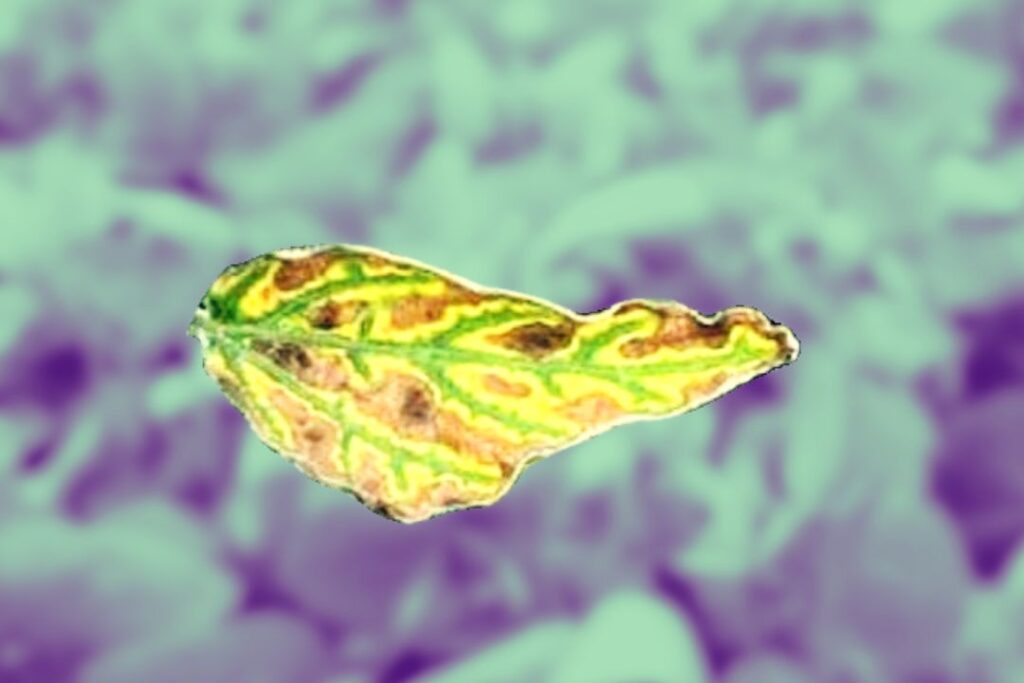
Sudden Death Syndrome is a formidable adversary for soybean farmers. It is caused by the soil-borne fungus Fusarium virguliforme, which thrives in moist environments. The disease primarily attacks the roots, but the symptoms manifest in the foliage, leading to premature leaf drop and reduced photosynthesis.
“SDS symptoms often appear as yellowing and wilting of leaves, with interveinal chlorosis and necrosis.” – North Central Soybean Research and Information Initiative
Early detection is crucial, as the disease progresses rapidly. Understanding the symptoms allows farmers to take timely action, potentially saving their crops from severe damage.
Beyond the immediate impact on plant health, SDS can lead to substantial economic losses. Reduced yield and quality translate to lower market value, affecting the profitability of soybean farming operations.
The Role of Irrigation in Preventing SDS
Irrigation plays a critical role in agriculture, particularly in regions prone to drought or irregular rainfall. However, excessive or poorly managed irrigation can create ideal conditions for SDS development. The key is to strike a balance, ensuring that soybeans receive enough water to thrive without saturating the soil.
Smart irrigation systems come into play here. By using sensors and data analytics, these systems can monitor soil moisture levels in real-time, adjusting water delivery accordingly. This precision helps maintain optimal soil conditions, reducing the risk of SDS outbreaks.
Most importantly, smart irrigation not only conserves water but also minimizes the environmental impact of farming. By reducing runoff and leaching, these systems help protect local ecosystems, making agriculture more sustainable in the long run.
Benefits of Integrating Smart Technology in Soybean Farming
Adopting smart technology in soybean farming goes beyond irrigation. It encompasses a range of tools and practices designed to enhance crop management and productivity. For instance, implementing smart irrigation strategies can significantly boost soybean growth and yield. Here are some of the key benefits:
- Improved Efficiency: Smart systems automate routine tasks, freeing up time for farmers to focus on other aspects of their operations.
- Data-Driven Decisions: Access to real-time data enables farmers to make informed decisions, optimizing inputs like water, fertilizers, and pesticides.
- Cost Savings: By reducing waste and improving resource use, smart technology can lower operational costs over time.
- Enhanced Crop Health: Monitoring systems can detect issues early, allowing for prompt intervention and reducing the impact of diseases like SDS.
- Sustainability: With better resource management, smart farming practices contribute to environmental conservation and long-term agricultural viability.
Incorporating smart technology into soybean farming is an investment in the future. As climate change and resource scarcity become more pressing issues, these tools will be essential for maintaining food security and farm profitability.
Mechanisms of Sudden Death Syndrome in Soybeans
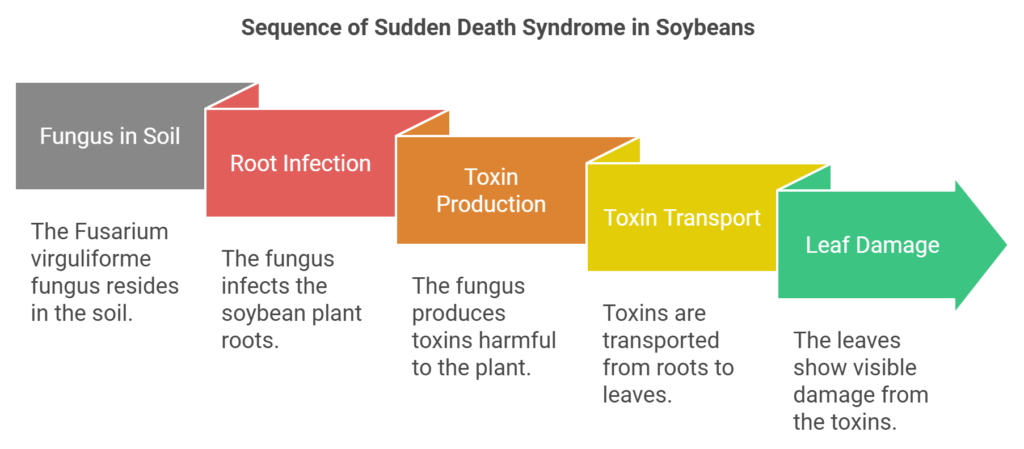
Understanding how SDS affects soybeans is crucial for developing effective management strategies. The disease process begins in the soil, where the Fusarium virguliforme fungus infects the plant roots. From there, toxins produced by the fungus are transported to the leaves, causing visible damage.
Causes and Symptoms of SDS
The primary cause of SDS is the Fusarium virguliforme fungus, which thrives in wet, compacted soils. The disease is most severe in fields with a history of SDS or where soybeans are planted early in cool, wet conditions.
Symptoms typically appear after flowering, manifesting as yellowing and wilting of leaves. The most distinctive sign is interveinal chlorosis, where the tissue between leaf veins turns yellow while the veins remain green. As the disease progresses, necrotic lesions form, and leaves may drop prematurely. For more on sustainable farming practices that can help manage such diseases, explore precision agriculture equipment.
It’s important to note that SDS symptoms can be confused with other soybean diseases, such as Brown Stem Rot or Stem Canker. Accurate diagnosis is essential for implementing the right management practices.
Different Types of Smart Irrigation Technologies
- Drip Irrigation Systems: These systems deliver water directly to the plant roots through a network of valves, pipes, tubing, and emitters, minimizing evaporation and runoff.
- Sprinkler Systems: These systems simulate natural rainfall, distributing water uniformly across the field. They can be automated and adjusted based on real-time weather conditions.
- Soil Moisture Sensors: These sensors monitor the moisture content of the soil, providing data to optimize irrigation schedules and ensure that plants receive the right amount of water.
- Weather-Based Controllers: These devices adjust irrigation schedules based on local weather data, preventing overwatering during rainy periods and ensuring adequate moisture during dry spells.
- Smartphone-Controlled Systems: These systems allow farmers to manage irrigation remotely via smartphone apps, offering convenience and flexibility.
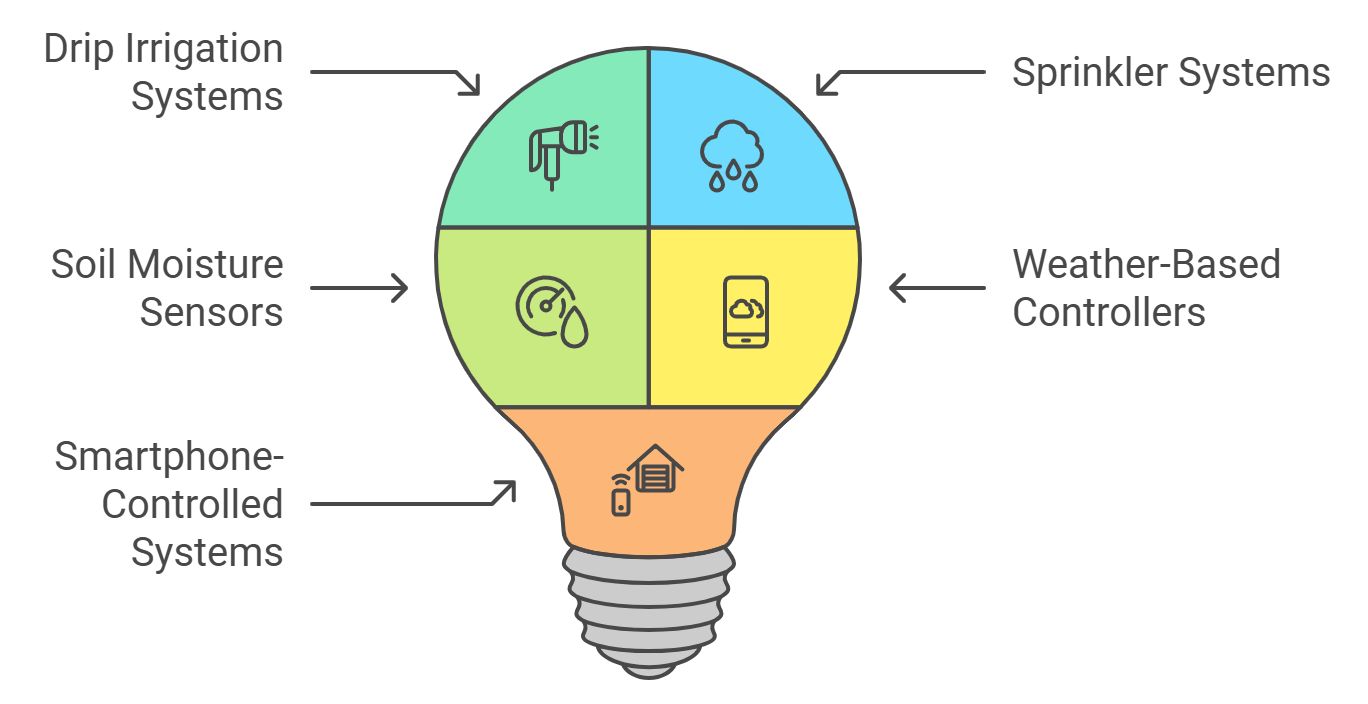
Smart irrigation technologies are revolutionizing the way we manage water in agriculture. By using these advanced systems, farmers can ensure that their crops receive the right amount of water at the right time, promoting healthy growth and reducing the risk of diseases like SDS.
For instance, drip irrigation systems are particularly effective in areas with limited water resources. By delivering water directly to the roots, these systems minimize waste and maximize efficiency. They are also ideal for uneven terrains, where traditional irrigation methods might lead to uneven water distribution.
Soil moisture sensors and weather-based controllers work hand-in-hand to provide precise irrigation management. By continuously monitoring soil conditions and weather patterns, these technologies help farmers make data-driven decisions, optimizing water use and improving crop outcomes.
How to Implement Smart Irrigation in Soybean Fields
Implementing smart irrigation in soybean fields requires careful planning and consideration. Here are some steps to guide you through the process:
- Assess Your Needs: Evaluate the specific requirements of your soybean crop, considering factors like soil type, climate, and water availability.
- Select the Right Technology: Choose the smart irrigation system that best suits your needs. Consider factors like cost, ease of use, and compatibility with your existing infrastructure.
- Install and Calibrate: Proper installation and calibration are crucial for the effective operation of smart irrigation systems. Follow the manufacturer’s instructions and consult with experts if necessary.
- Monitor and Adjust: Regularly monitor system performance and make adjustments as needed. Use data from sensors and controllers to refine irrigation schedules and practices.
- Maintain the System: Routine maintenance is essential to keep the system functioning optimally. Clean filters, check for leaks, and replace worn-out components as needed.
Optimizing Water Use for Disease Control
Water management is a critical component of disease control in soybean farming. By optimizing water use, farmers can create conditions that are less favorable for diseases like SDS. Here are some strategies to achieve this:
First, avoid overwatering. Excess moisture in the soil creates an environment where fungi like Fusarium virguliforme can thrive. Smart irrigation systems can help prevent this by delivering precise amounts of water based on real-time data.
Next, consider the timing of irrigation. Watering during the cooler parts of the day, such as early morning or late afternoon, can reduce evaporation and ensure that water penetrates the soil effectively. This practice also helps maintain optimal soil moisture levels, minimizing the risk of disease. For more insights on smart irrigation strategies, visit this smart irrigation guide.
Strategies for Integrated Disease Management
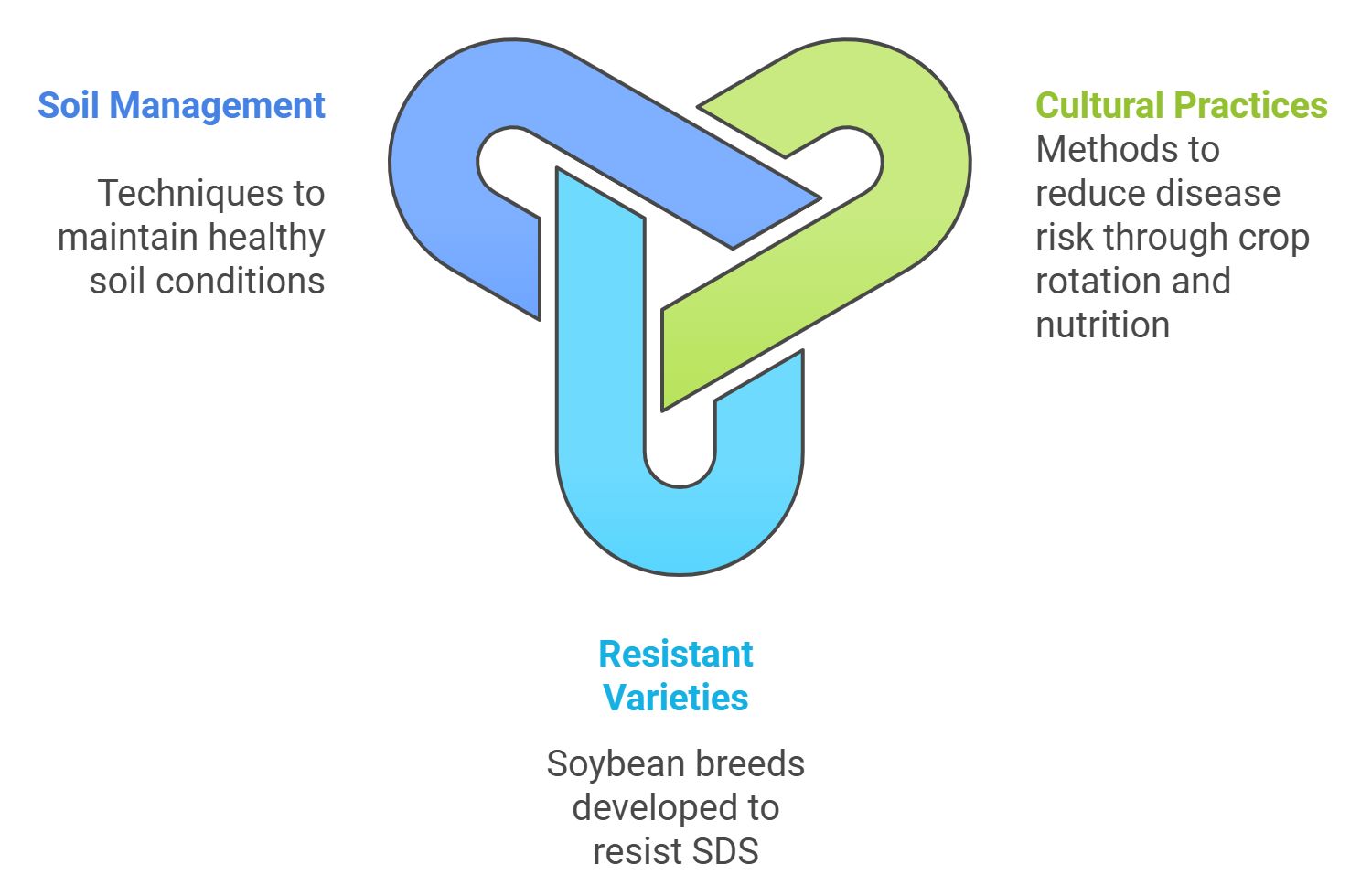
Integrated disease management involves a combination of practices designed to prevent and control plant diseases. For soybean farmers facing SDS, this approach can be particularly effective. It combines cultural practices, resistant varieties, and soil management to create a comprehensive defense against the disease.
Cultural Practices to Reduce SDS Outbreaks
Cultural practices play a vital role in reducing the risk of SDS outbreaks. Here are some key strategies:
- Crop Rotation: Rotating soybeans with non-host crops can break the disease cycle and reduce pathogen levels in the soil.
- Avoid Early Planting: Planting soybeans in warmer, drier conditions can reduce the likelihood of SDS development.
- Maintain Good Nutrition: Ensuring that soybeans receive adequate nutrients can boost plant health and resistance to diseases.
By implementing these practices, farmers can create a more resilient cropping system, reducing the impact of SDS and other diseases. Additionally, exploring smart irrigation strategies can further enhance soybean growth and disease resistance.
Use of Resistant Soybean Varieties
Planting resistant soybean varieties is one of the most effective strategies for managing SDS. These varieties have been bred to withstand the effects of the Fusarium virguliforme fungus, reducing the severity of symptoms and yield loss.
Farmers should consult with local agricultural extension services or seed suppliers to identify the best resistant varieties for their region. By choosing the right varieties, farmers can improve their chances of a successful harvest, even in fields with a history of SDS.
Monitoring and Managing Soil Conditions
Soil health is a critical factor in preventing SDS. By regularly monitoring soil conditions, farmers can identify potential issues early and take corrective action. This includes testing for soil compaction, nutrient levels, and pathogen presence. To enhance this process, farmers can explore precision agriculture techniques that offer advanced solutions for soil management.
To manage soil conditions effectively, farmers should focus on practices that promote soil health. This includes maintaining organic matter, avoiding soil compaction, and ensuring proper drainage. By creating a healthy soil environment, farmers can reduce the risk of SDS and support robust plant growth.
In conclusion, smart irrigation and integrated disease management are powerful tools for soybean farmers facing the challenge of SDS. By adopting these practices, farmers can protect their crops, improve yields, and contribute to sustainable agriculture.
Concluding Thoughts on Smart Strategies for Soybean Health
Smart strategies for soybean health, particularly in managing Sudden Death Syndrome (SDS), are pivotal for the future of agriculture. By integrating smart irrigation systems and adopting comprehensive disease management practices, farmers can significantly reduce the impact of SDS. This approach not only safeguards crop health but also enhances yield and profitability, ensuring that farming remains a viable and sustainable livelihood.
As we continue to face challenges like climate change and resource scarcity, the adoption of smart technologies in agriculture will become increasingly important. These innovations provide farmers with the tools they need to adapt to changing conditions and maintain productive, healthy crops.
Future Directions in Smart Agriculture
The future of smart agriculture looks promising, with continuous advancements in technology and data analytics. Emerging technologies such as artificial intelligence, machine learning, and the Internet of Things (IoT) are set to revolutionize the way we approach farming. These tools will offer even greater precision in monitoring and managing crops, enabling farmers to make data-driven decisions that optimize resource use and maximize yields.
Moreover, the development of new resistant crop varieties and sustainable farming practices will further enhance the resilience of agricultural systems. By embracing these innovations, farmers can build a more sustainable and profitable future, ensuring food security for generations to come.
Recommendations for Farmers Facing SDS
For farmers dealing with SDS, here are some actionable recommendations:
- Invest in Smart Irrigation: Implement smart irrigation systems to optimize water use and create conditions less favorable for SDS.
- Choose Resistant Varieties: Plant soybean varieties known for their resistance to SDS to reduce the severity of the disease.
- Practice Crop Rotation: Rotate crops to break the disease cycle and reduce pathogen levels in the soil.
- Monitor Soil Health: Regularly test soil conditions and take corrective actions to maintain a healthy growing environment.
- Stay Informed: Keep up-to-date with the latest research and advancements in disease management and smart farming technologies.
By following these recommendations, farmers can effectively manage SDS and ensure the long-term health and productivity of their soybean crops.
Frequently Asked Questions

What is the main cause of Sudden Death Syndrome in soybeans?
Sudden Death Syndrome is primarily caused by the soil-borne fungus Fusarium virguliforme. The fungus infects soybean roots and produces toxins that lead to the characteristic symptoms of SDS, such as yellowing and wilting of leaves.
How does smart irrigation help in managing SDS?
Smart irrigation systems help manage SDS by optimizing water use and maintaining soil moisture levels that are less conducive to the growth of the Fusarium virguliforme fungus. By preventing overwatering and ensuring efficient water distribution, these systems reduce the risk of SDS outbreaks.
Are there specific soybean varieties resistant to SDS?
Yes, there are soybean varieties that have been bred for resistance to SDS. These varieties are less susceptible to the effects of the Fusarium virguliforme fungus, reducing the severity of symptoms and potential yield loss. Farmers should consult with local seed suppliers to identify the best resistant varieties for their region.
What role does soil health play in preventing SDS?
Soil health is crucial in preventing SDS. Healthy soil supports robust plant growth and reduces the likelihood of disease outbreaks. Practices such as maintaining organic matter, avoiding soil compaction, and ensuring proper drainage can help create a favorable environment for soybean crops and reduce the risk of SDS.
Can smart irrigation systems be used in small-scale farms?
Absolutely. Smart irrigation systems are versatile and can be adapted to suit farms of all sizes. For small-scale farms, these systems offer the advantage of precise water management, reducing waste and improving crop health. With advancements in technology, affordable and easy-to-use smart irrigation solutions are becoming increasingly accessible to small-scale farmers.





Leave a Reply