
Key Takeaways
- Smart irrigation can save water and boost soybean yields in Nebraska
- Precision ag tools give farmers real-time data on crop health and field conditions
- These technologies can lead to more efficient use of resources and higher profits
Nebraska soybean farmers are gearing up for a big change in 2025. New precision agriculture and smart irrigation technologies are set to boost crop yields and save water. These tools use data from satellites, sensors, and weather forecasts to make farming more exact.
Smart irrigation systems can help Nebraska soybean farmers use up to 30% less water while increasing yields by 10-15%. This is great news for a state where water is so important. The systems know just when and where to water, based on what each part of the field needs.
Farmers can now track their crops from their phones or computers. They get alerts about pest risks, soil moisture, and plant health. This lets them act fast to solve problems. It also helps them use less chemicals and fertilizer, which is good for the environment and saves money.
Overview of Precision Agriculture
Precision agriculture uses technology to improve crop yields and save resources. It lets farmers make better choices about planting, watering, and caring for crops.
Evolution of Agricultural Practices
Farming has changed a lot over time. In the past, farmers relied on their own knowledge and simple tools. They planted seeds by hand and watered crops based on guesswork.
As time went on, new machines and methods made farming easier. Tractors replaced horses. Sprinklers replaced hand watering. These changes helped farmers grow more food on less land.
In the 1990s, GPS technology started to change farming again. Farmers could now map their fields and track crop growth more closely. This was the start of precision agriculture.
Technological Advancements in Agriculture
Today, precision agriculture uses many high-tech tools. GPS-guided tractors can plant seeds in perfect rows. Drones and satellites take pictures of crops from above.
Soil sensors tell farmers exactly when to water and fertilize. Smart irrigation systems use this data to water crops just the right amount. This saves water and helps plants grow better.
Computer programs help farmers make sense of all this data. They can predict crop yields and spot problems early. This lets you make smarter choices about your farm.
These tools keep getting better. Soon, robots might do more farm work. Artificial intelligence could make farming even more precise.
Smart Irrigation Technologies
Smart irrigation technologies help farmers use water more efficiently. These systems use sensors and data to water crops at the right time and amount. This saves water and boosts soybean yields.
Irrigation Systems and Sensors
Smart irrigation systems use advanced tech to optimize water use. Soil moisture sensors measure water levels in the ground. Weather stations track rainfall and temperature.
Drip irrigation applies water directly to plant roots. This reduces waste and improves efficiency. Some systems adjust watering based on crop growth stages.
Smart sprinklers use GPS to target specific areas. They can avoid watering roads or already wet spots. Remote-controlled valves let you manage irrigation from your phone.
Data Analytics in Irrigation Management
Data analytics helps you make better watering decisions. Software combines info from sensors, weather forecasts, and satellite images.
You can see water use patterns and crop health on digital maps. Artificial intelligence predicts future water needs based on past data. This helps you plan ahead and avoid stress on your soybeans.
Analytics can also detect leaks or equipment issues quickly. You’ll get alerts if something needs fixing. This prevents water waste and keeps your system running smoothly.
Impact on Nebraska Soybean Yield
Precision agriculture and smart irrigation are changing the game for Nebraska soybean farmers. These technologies offer new ways to boost yields and manage resources more efficiently.
Nebraska’s Climatic Influence
Nebraska’s climate can be tough on soybeans. You face hot summers, unpredictable rainfall, and the risk of drought. But smart tech is helping you fight back.
Irrigated soybean yields in Nebraska average 67.5 bushels per acre. That’s much higher than the U.S. average of 49.1 bushels per acre.
Precision irrigation helps you give your crops just the right amount of water. This can save up to 12% on water use while still keeping yields high.
Weather stations and soil sensors let you track conditions in real-time. You can adjust your plans quickly when the weather shifts.
Agronomic Benefits Realized
Smart tech is changing how you manage your fields. You can now spot problems early and act fast.
Drones and satellite images show you which parts of your field need attention. This helps you use fertilizer and pesticides more efficiently.
On-farm research in Nebraska has tested new management practices. These studies found ways to boost both yield and profit.
Variable-rate seeding lets you plant the right amount of seeds in each part of your field. This can lead to more even plant stands and better yields.
By using these tools, you might increase your soybean yields by up to 20%. That’s a big jump in production and profit for your farm.
Remote Sensing and Monitoring
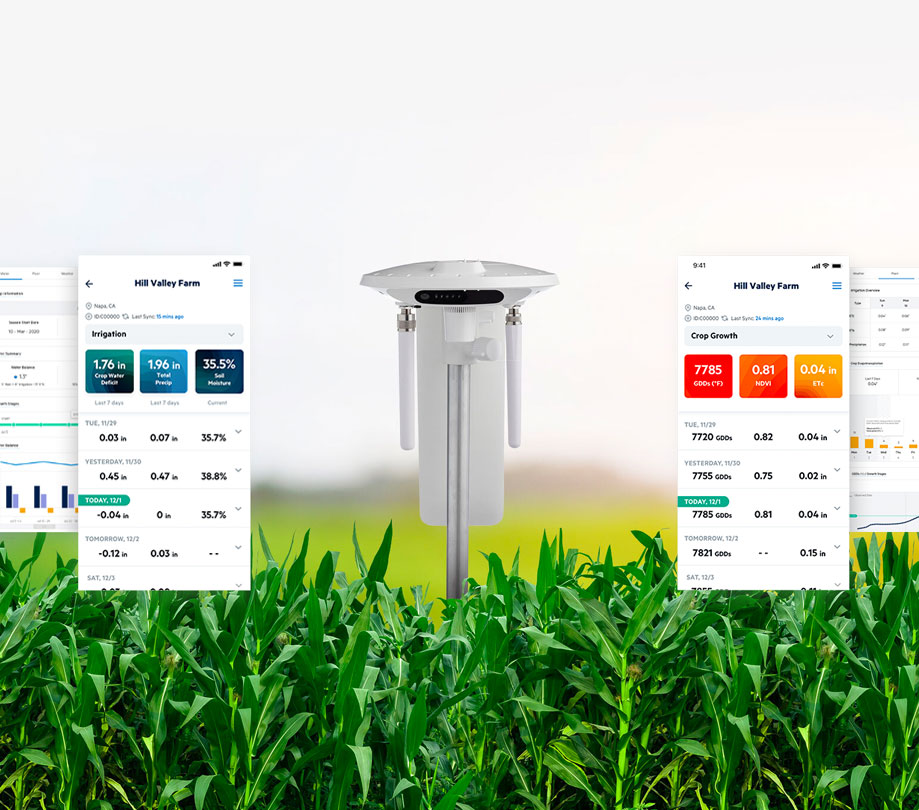
Remote sensing and monitoring technologies are changing how Nebraska soybean farmers manage their crops. These tools provide detailed data about field conditions and plant health. You can use this information to make better decisions about irrigation, fertilization, and pest control.
Drones and Satellite Imagery
Drones and satellites offer a bird’s-eye view of your soybean fields. These tools can capture detailed images of crop health and soil moisture. You can use drones to spot issues like pest damage or nutrient deficiencies early on.
Satellite imagery helps you track changes in your fields over time. This data can show you which areas need more water or fertilizer. You can also use it to estimate crop yields before harvest.
Many farmers are now using these technologies to create zone maps for precision agriculture. These maps help you apply inputs like water and fertilizer only where they’re needed most.
In-Field Sensors and IoT
In-field sensors and Internet of Things (IoT) devices give you real-time data about your soybean crops. Soil moisture sensors help you know exactly when to irrigate. This can save water and improve crop yields.
Weather stations in your fields can track temperature, humidity, and rainfall. This data helps you make better decisions about when to plant, irrigate, or apply pesticides.
Leaf sensors can measure plant health directly. These devices can alert you to stress from drought or disease before visible symptoms appear.
IoT networks connect all these sensors, allowing you to access data from anywhere. You can use smartphone apps to check field conditions or set up automated alerts for potential issues.
Data Management and Analytics
Precision agriculture relies heavily on data to make informed decisions. Farmers can use big data and predictive analytics to boost soybean yields in Nebraska. These tools help with crop management and resource optimization.
Big Data in Agriculture
Big data is changing how farmers grow soybeans in Nebraska. You can collect data from many sources:
- Soil sensors
- Weather stations
- Satellite imagery
- Drones
- Farm equipment
This data gives you a complete picture of your fields. You can track soil moisture, nutrient levels, and plant health. With smart farming technologies, you store and analyze this information easily.
Cloud systems let you access your farm data from anywhere. You can share it with experts for better advice. Big data helps you spot patterns and trends in your soybean crops over time.
Predictive Analytics for Crop Management
Predictive analytics uses your farm data to forecast future trends. For soybean farming in Nebraska, this means:
- Predicting crop yields
- Optimizing planting dates
- Scheduling irrigation
- Planning pest control
You can use AI-driven tools to analyze weather patterns and soil conditions. These tools help you decide when to plant and how much water to use.
Predictive models can warn you about potential pest outbreaks or disease risks. This lets you take action before problems arise. By using predictive analytics, you can make smarter choices for your soybean crop and improve your yields.
Precision Irrigation Methods
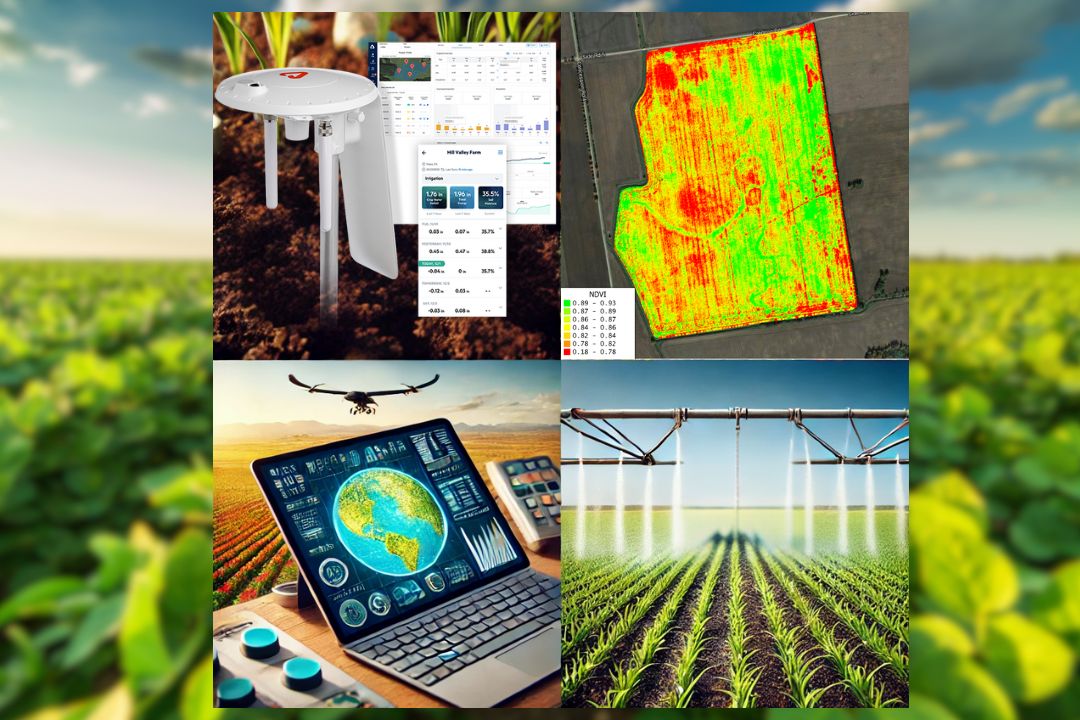
Precision irrigation methods use technology to apply water exactly where and when crops need it. These techniques help farmers save water and boost soybean yields.
Variable Rate Irrigation (VRI)
VRI systems adjust water application across fields based on soil and crop needs. They use GPS and soil sensors to create detailed irrigation maps. These maps guide sprinklers to apply different amounts of water in specific zones.
VRI can increase water use efficiency by up to 25%. It helps you avoid over-watering low spots or under-watering dry areas. This leads to more even crop growth and higher yields.
Many VRI systems let you control irrigation from your smartphone. You can check soil moisture and adjust watering schedules remotely. This saves time and helps you react quickly to changing weather conditions.
Drip vs. Overhead Irrigation Efficacy
Drip irrigation delivers water directly to plant roots through tubes. Overhead systems spray water over crops from above.
Drip systems are up to 95% efficient in water use. They reduce evaporation and runoff. This method works well for soybeans planted in rows.
Overhead systems like center pivots are about 75-85% efficient. They cover large areas quickly. Smart sprinkler heads can improve their precision.
Drip irrigation can boost soybean yields by 5-10% compared to overhead methods. But it costs more to install. Overhead systems are easier to maintain and can handle uneven terrain better.
Your choice depends on field size, soil type, and budget. Both methods can be part of a precision irrigation strategy to improve water use and crop yields.
Soil Health and Fertility
Healthy soil is key for soybean success in Nebraska. Good soil boosts crop growth and protects against environmental stress. It also helps manage water and nutrients better.
Soil Moisture Optimization
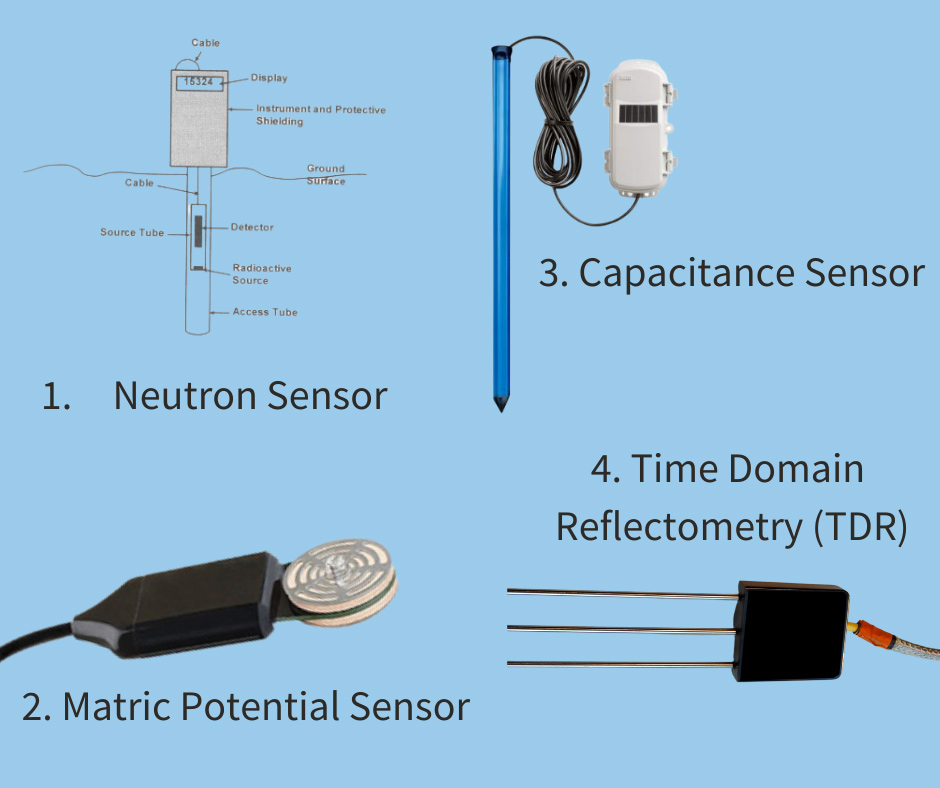
Soil moisture sensors can help you keep your soybeans happy. These tools tell you when to water and how much. This stops over-watering and saves money.
You can use different types of sensors. Some go in the ground, others use satellites. Pick what works for your farm and budget.
Smart irrigation systems use this data to water just right. They turn on only when needed. This keeps your soil at the perfect moisture level for soybeans.
Nutrient Management
Knowing what’s in your soil helps you feed your crops better. Soil tests show what nutrients you have and what you need to add.
Precision agriculture tools can map your field’s nutrients. This lets you apply fertilizer only where it’s needed. You’ll save money and help the environment.
Consider using slow-release fertilizers. They feed your soybeans over time. This matches how the plants grow and use nutrients.
Remember, good soil health isn’t just about nutrients. It’s also about soil structure and helpful microbes. Cover crops and reduced tillage can improve these factors.
Farm Management Software Solutions
Farm management software helps Nebraska soybean farmers boost yields through precision agriculture. These tools offer field mapping, data analysis, and decision support to optimize operations.
Integration with Smart Devices
Modern farm software connects seamlessly with smart devices in the field. You can link soil moisture sensors, weather stations, and irrigation controls to a central platform.
This integration gives you real-time data on crop conditions. You’ll receive alerts on your smartphone when fields need water or other inputs.
Smart tractors and sprayers can also sync with your software. This allows for precise application of fertilizers and pesticides based on field maps.
By connecting all your farm tech, you gain a complete picture of your operation. This helps you make faster, more informed decisions to maximize soybean yields.
Decision Support Systems
Decision support systems in farm software use AI to analyze data and provide recommendations. These tools help you plan planting dates, choose seed varieties, and schedule irrigation.
You’ll get customized advice based on your specific field conditions, weather forecasts, and historical yield data. The software can predict pest and disease outbreaks, helping you take preventive action.
Crop yield prediction models let you estimate harvest sizes and plan logistics. You can also run “what-if” scenarios to see how different decisions might impact your bottom line.
These systems often include market data and financial tools. This helps you make smarter decisions about when to sell your soybeans and how to manage farm finances.
Economic Aspects
Precision agriculture and smart irrigation offer significant financial benefits for Nebraska soybean farmers. These technologies can boost yields and cut costs, improving your bottom line.
Cost-Benefit Analysis
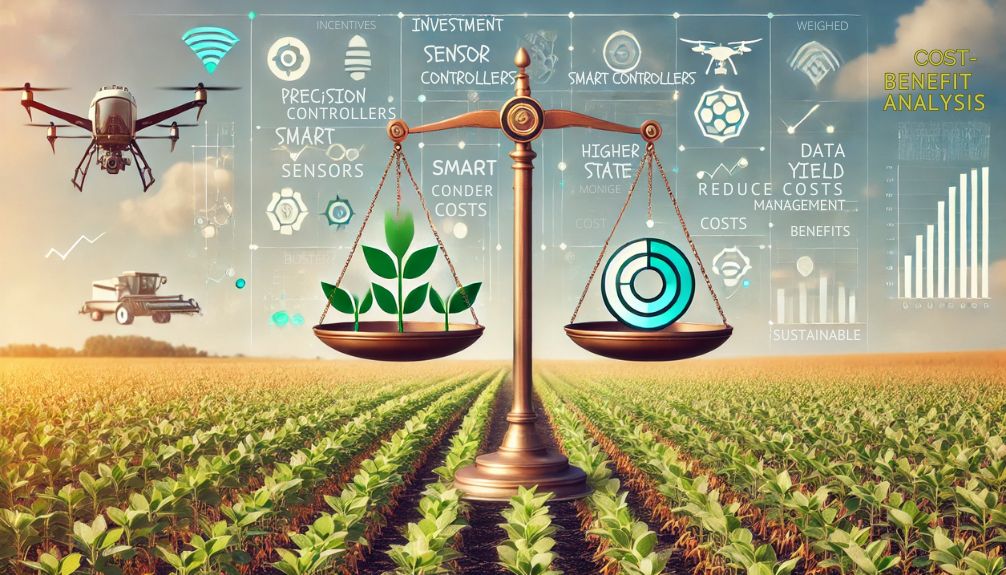
Smart irrigation systems require upfront investment but can lead to substantial savings. You can expect to spend $5,000 to $10,000 per pivot for precision irrigation equipment. This cost includes soil moisture sensors, weather stations, and control systems.
The payback period typically ranges from 2 to 5 years, depending on your farm size and local conditions. Water savings of 15-30% are common, reducing your irrigation expenses.
Precision agriculture tools like GPS-guided tractors and variable rate applicators also have upfront costs. These range from $20,000 to $40,000 for a medium-sized farm.
Fertilizer and herbicide use can decrease by 7-9% with these technologies. This leads to input cost savings of $20-$30 per acre annually.
Financial Sustainability
Precision agriculture improves your long-term financial outlook. By optimizing resource use, you can maintain high yields while reducing input costs.
Smart irrigation helps you use water more efficiently. This is crucial in areas with water restrictions or rising water costs. You can save $50-$100 per acre annually on water and energy costs.
These technologies also help you qualify for climate-smart agriculture incentives. Government programs may offer payments of $10-$20 per acre for adopting water-saving practices.
Precision ag tools provide detailed data on your farm’s performance. This information helps you make better financial decisions and secure loans more easily.
Environmental Considerations
Precision agriculture and smart irrigation offer ways to grow soybeans while protecting Nebraska’s natural resources. These methods can save water and reduce farming’s impact on the environment.
Water Conservation Strategies
Smart irrigation systems help you use water more efficiently. These systems track soil moisture and weather data to water crops only when needed. You can set up sensors in your fields to measure moisture levels. This lets you avoid overwatering.
Some farmers use drip irrigation to deliver water directly to plant roots. This cuts water waste from evaporation or runoff. You might also try deficit irrigation. This means giving crops slightly less water than ideal. It can save water while only lowering yields a little.
Automated “smart pivots” are another option. These adjust watering based on changing field conditions. They help you use just the right amount of water in each part of your field.
Reducing Ecological Footprint
Precision ag tools let you apply fertilizers and pesticides more accurately. This means less chemical runoff into waterways. You can use GPS-guided equipment to avoid overlap when spraying. This cuts down on wasted chemicals.
Climate-smart practices can help store carbon in your soil. No-till farming and cover crops are two examples. These methods improve soil health and reduce erosion. They also help your fields hold more water.
Smart tech can help you track your farm’s environmental impact. You can measure things like water use and chemical applications. This data helps you find ways to farm more sustainably over time.
The Future of Smart Agriculture in Nebraska
Nebraska is set to become a leader in precision farming techniques. New technologies and policies will shape how farmers manage their crops and resources in the coming years.
Innovation and Research Directions
Smart farming technologies are evolving rapidly in Nebraska. You’ll see more advanced sensors and drones collecting real-time data on soil moisture, crop health, and weather patterns.
Machine learning algorithms will process this data to provide tailored recommendations for each field. This will help you optimize irrigation, fertilizer use, and pest control.
Robotics and automation will play a bigger role on Nebraska farms. Autonomous tractors and harvesters will work around the clock, increasing efficiency and reducing labor costs.
Precision agriculture adoption is expected to rise from 10-15% to 50-60% in the coming years. This shift will significantly boost crop yields and resource efficiency across the state.
Policy and Regulatory Framework
Nebraska’s government is actively supporting smart agriculture initiatives. You can expect new policies to encourage the adoption of precision farming technologies.
Tax incentives and grants will be available for farmers investing in smart irrigation systems and other precision tools. This will help offset the initial costs of upgrading your equipment.
The 2024 Nebraska Climate Action Plan will likely include measures to promote climate-smart agriculture practices. These policies will help you reduce your farm’s carbon footprint while improving productivity.
Data privacy and security regulations will be crucial. New laws will protect your farm data and ensure you maintain control over the information collected by smart farming tools.
For more guides and our Irrigation Dealer Directory, visit the Aguafox soybean irrigation equipment dealers by state hub.
Frequently Asked Questions

Precision agriculture and smart irrigation technologies are transforming soybean farming in Nebraska. These innovations help farmers optimize resources, increase yields, and adapt to changing weather patterns.
How does smart irrigation technology improve soybean yields in Nebraska?
Smart irrigation systems use soil moisture sensors and weather data to apply water precisely when and where crops need it. This reduces water waste and improves crop health. You can expect better soybean yields as plants receive optimal hydration throughout the growing season.
What are the latest advancements in precision agriculture for soybean farming?
Recent advancements include AI-powered crop monitoring drones and satellite imagery analysis. These tools help you detect plant stress, pest infestations, and nutrient deficiencies early. Variable-rate technology for seeding and fertilizer application ensures each part of your field receives the right inputs.
How do weather patterns in Nebraska affect precision farming and soybean yields?
Nebraska’s variable weather impacts soybean growth significantly. Precision farming tools use real-time weather data to adjust irrigation schedules and crop management practices. This helps you protect your crops from extreme heat, drought, or excess rainfall, leading to more stable yields.
In what ways can data analytics enhance soybean yield predictions for 2025 in Nebraska?
Data analytics combine historical yield data, soil maps, and weather forecasts to predict future yields. You can use these predictions to make informed decisions about seed selection, planting dates, and crop management strategies. This approach helps you maximize your soybean yields for the 2025 season.
What role does soil health play in precision agriculture for increasing Nebraska’s soybean production?
Healthy soil is crucial for high soybean yields. Precision agriculture tools help you monitor soil nutrients, pH levels, and organic matter content. You can use this data to apply targeted soil amendments and implement conservation practices that improve soil structure and fertility.
What are the economic benefits of adopting smart irrigation systems in Nebraska for soybean farming?
Smart irrigation systems can reduce your water and energy costs while improving crop yields. You’ll see lower input costs and higher profits. These systems also help you comply with water regulations and qualify for conservation programs, potentially providing additional financial benefits.




Leave a Reply