
-
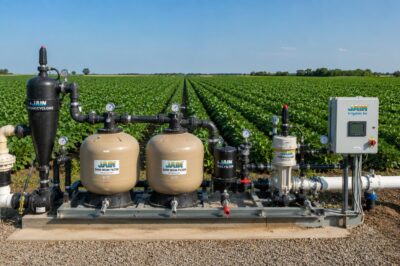
Jain Irrigation SDI Systems for Soybean Row Crops: Product Selection, System Design, and Performance Guide
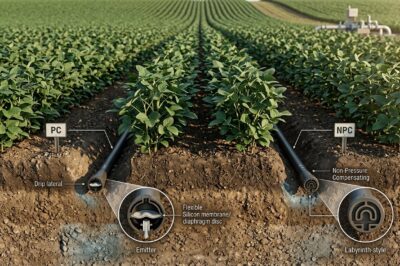
Key Takeaways Jain Irrigation is among the world’s largest manufacturers of micro-irrigation systems, with SDI installations across row crop production in the U.S., India, Australia, and other major soybean-producing regions. For commercial soybean farmers evaluating SDI options, Jain’s two core row crop products — the Turbo Slim SS drip tape and the Turbo Excel Plus…
-
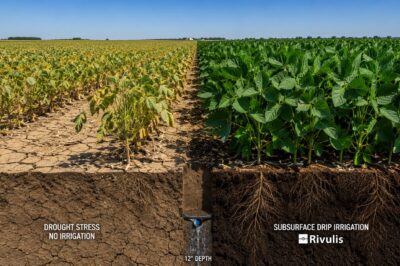
Rivulis Drip Irrigation for Drought-Stressed Soybean Fields: SDI Design and Product Selection Guide
Key Takeaways Rivulis drip irrigation for drought-stressed soybean fields addresses the fundamental inefficiency of overhead irrigation during the worst conditions for crop water stress: when it’s hot, dry, and windy, evaporation losses from sprinkler systems are highest, application uniformity suffers from wind drift, and the canopy interception that wastes water is greatest. SDI sidesteps all…
-
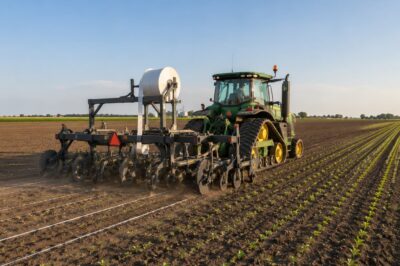
T-Tape Drip Tape for Soybean Row Crop SDI: Product Specifications, Flow Rate Selection, and Longevity Guide
Key Takeaways T-Tape drip tape for soybean row crop SDI delivers water directly to the root zone through buried laterals, eliminating the evaporation, wind drift, and canopy interception losses that overhead irrigation systems experience during the peak summer demand period. For soybean operations considering SDI or evaluating drip tape products for an existing system, T-Tape’s…
-
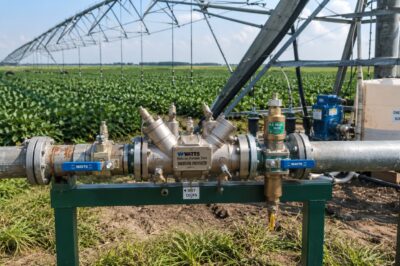
Backflow Prevention for Commercial Soybean Irrigation: Regulations, Device Selection, and Chemigation Safety
Key Takeaways Backflow prevention for commercial soybean irrigation protects your water supply — whether a private irrigation well or a municipal connection — from chemical contamination if a pressure reversal event occurs in the irrigation system. Choosing the wrong device for your application risk level, or installing it correctly for the wrong scenario, leaves your…
-
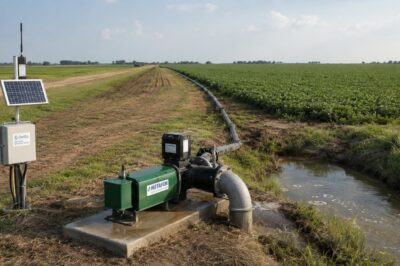
IoT-Enabled Tailwater Recovery Systems for Soybean Farms: Efficiency, ROI, and Mid-South Applications
Key Takeaways Tailwater recovery systems for soybean irrigation solve a problem that is particularly acute in the Mid-South Delta: surface furrow irrigation loses significant water, nutrients, and applied crop protection chemicals as runoff before the field is even finished irrigating. An IoT-enabled TWR system closes that loop — capturing the runoff, recycling the water and…
-
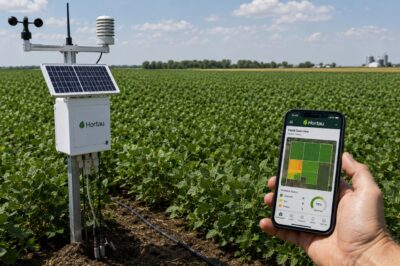
Hortau Precision Irrigation Platform Review: Tension-Based Scheduling for Commercial Soybean SDI
Key Takeaways Hortau irrigation management for soybeans takes a different approach than the ET and volumetric sensor platforms that dominate the precision irrigation market. Where ET scheduling calculates crop water demand from weather data and volumetric sensors measure how much water is in the soil, Hortau’s tensiometer technology measures how hard the soybean plant’s root…
-
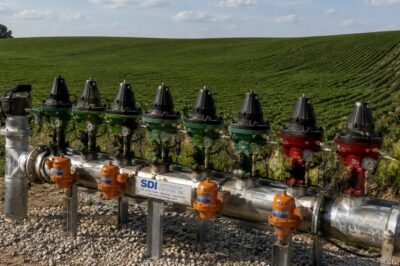
Amiad Valves for Sloped and Uneven Soybean Fields: SDI Pressure Management and Air Control
Key Takeaways Amiad valves for subsurface drip irrigation soybeans on sloped and uneven fields address a hydraulic reality that flat-field SDI design ignores: gravity is always working on the water in your mainlines and laterals, and it doesn’t stop when you want uniform application across a field with 10 or 20 feet of elevation change.…
-
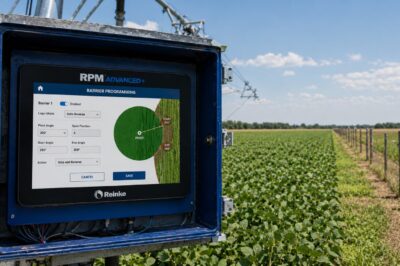
Auto-Reverse and End-of-Field Logic in Reinke Center Pivots: Setup, Calibration, and Failure Recovery
Key Takeaways Reinke center pivot auto-reverse setup determines whether your part-circle operation runs without intervention or requires constant correction. A correctly calibrated system stops or reverses at exactly the right field position, manages end gun and pump sector commands automatically, and recovers predictably from fault conditions. A miscalibrated system overshoots boundaries, applies water to fence…
-
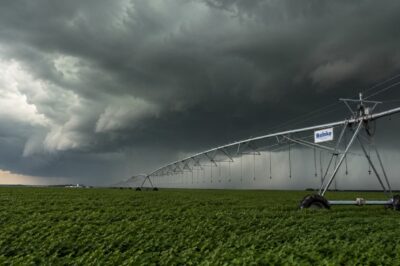
High Wind Events and Reinke Center Pivot Drivetrains: How to Protect Gearboxes and Drive Units Before, During, and After Midwest Storms
Key Takeaways High wind events are a regular operating reality for center pivot irrigation systems across the Midwest soybean belt. Derecho systems, severe thunderstorm straight-line winds, and late-season frontal systems can generate sustained winds and gusts that impose structural loads far beyond what a pivot experiences during normal field operation. Understanding how those loads interact…
-
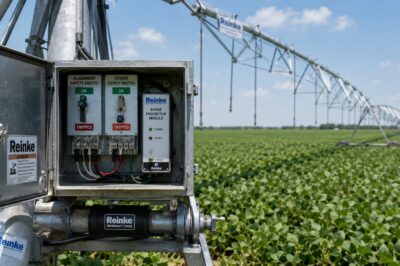
Center Pivot Safety Equipment for Soybean Farms: What Every Operator Needs to Know
Key Takeaways Center pivot safety equipment for soybean farms covers the full spectrum from mechanical guards and electrical interlocks to chemigation backflow prevention and remote monitoring — all components that either prevent operator injury, protect the irrigation system from damage, or both. For commercial soybean operations, a pivot failure during R3–R5 peak water demand is…

Follow Us
-
GPS vs Traditional Pivot Guidance for Soybeans: Accuracy, Maintenance, and Upgrade Economics
-
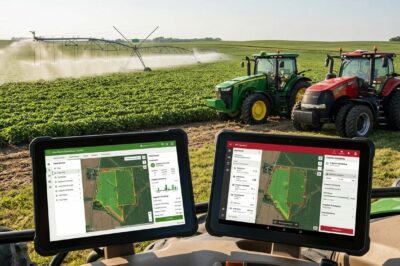
John Deere vs Case IH Irrigation Platform for Soybeans: Operations Center vs AFS Connect and What Each Actually Manages
-
T-L Irrigation Pricing for Soybeans: What Drives System Cost and How to Compare Per-Acre Investment
-
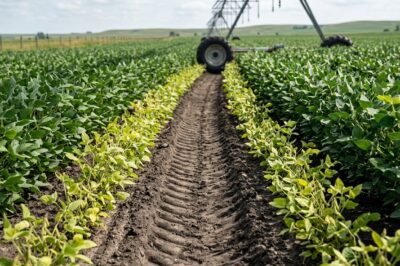
Pivot Wheel Track Compaction and Soybean Yield: Impact, Measurement, and Management