
-

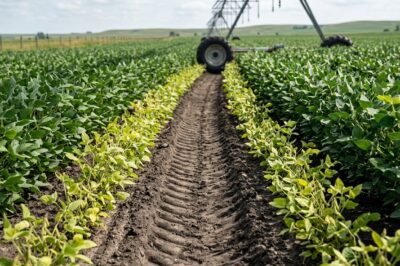
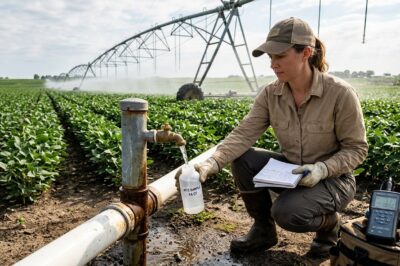
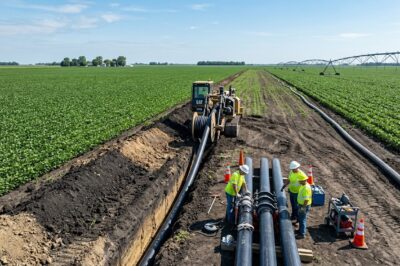
Soybean Anthracnose Stem Blight: Smart Irrigation Management and Control
Soybean anthracnose stem blight, caused by the fungus Colletotrichum truncatum, results in red to dark brown blotches on stems. High humidity and warm temperatures favor its spread. Smart irrigation can manage and reduce the disease, leading to better yields and cost-efficiency…
-
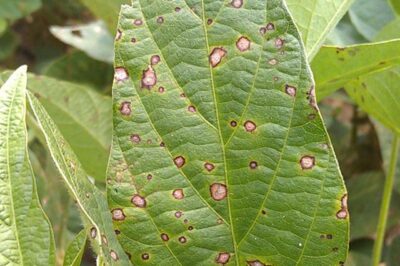
Soybean Frogeye Leaf Spot: Smart Irrigation Management and Control
Frogeye leaf spot (FLS) is a soybean disease caused by the fungus Cercospora sojina. Environmental conditions like high humidity and frequent precipitation increase the risk. Discover how smart irrigation can help manage water usage and reduce the risk of FLS…
-

Soybean Phytophthora Root Rot: Smart Irrigation Management and Control
Phytophthora root rot is a major threat to soybean crops, particularly in wet and warm soil conditions. Smart irrigation management can help control the disease by preventing soil saturation and reducing pathogen spread. Learn about effective control strategies and the role of irrigation in disease management…
-
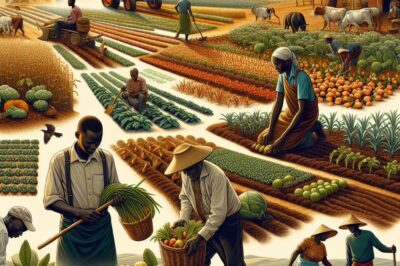
Soybean Smart Irrigation: Mississippi Cyst Nematode Management & Control
Growing soybeans in Mississippi presents unique challenges, especially when dealing with cyst nematodes. These microscopic pests are a significant threat, disrupting the plant’s ability to absorb water and nutrients, leading to severe yield losses. Smart irrigation and effective management practices are crucial to mitigate their impact…
-
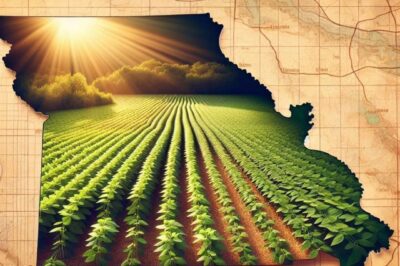
Missouri Soybean Cover Crops: Controling Soil Erosion alongside Smart Irrigation
Cover crops like cereal rye reduce soil erosion in Missouri soybean fields. Smart irrigation optimizes water use, enhancing crop yields. Combining these techniques improves soil health and water retention, leading to sustainable farming practices. Early planting of cover crops ensures better soil protection…
-

Atmometer vs Weather Station: Smart Irrigation for Soybean Yield Optimisation
Smart irrigation optimizes water use, boosting soybean yields and cutting costs. Atmometers offer site-specific data for easy scheduling, while weather stations provide comprehensive but costly insights. Choosing the right tool depends on your farm’s needs to enhance water management effectively…
-
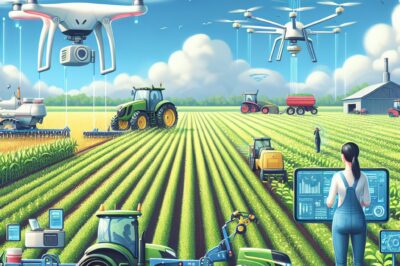
Best Soil Moisture Sensors for Soybean Precision Agriculture Irrigation Systems
Optimizing irrigation for soybean farming with soil moisture sensors enhances yields, reduces water usage, and saves costs. Top brands like Arable, CropX, and Sensoterra offer advanced solutions. Integrating these sensors with precision agriculture systems automates irrigation, ensuring optimal crop health…
-
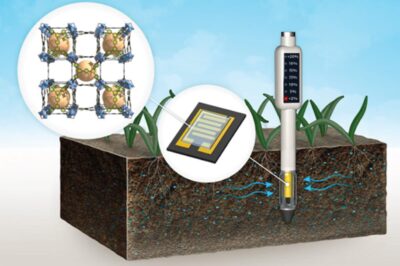
Moisture Sensors for Soil: Smart Irrigation for Soybean Yield Optimisation
Soil moisture sensors help farmers maintain optimal soil moisture, boosting soybean yield. Using these sensors leads to significant water conservation and reduced irrigation costs. Real-time data enables precise irrigation, enhancing crop health. Proper installation ensures better resource management and productivity…
-
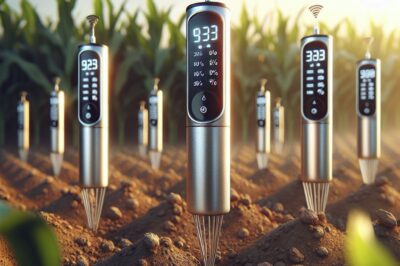
Wireless Soil Moisture Sensors: Smart Irrigation Systems for Soybean Farmers
Water is a precious resource, and its efficient use is crucial for successful soybean farming. Wireless soil moisture sensors provide real-time data on soil moisture levels, allowing farmers to make informed decisions about irrigation, ensuring optimal water use for better yields and reduced costs…
-
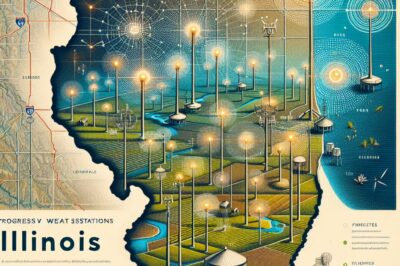
Smart Irrigation Weather Stations for Illinois Soybean Farmers
Illinois soybean farmers can boost productivity and save water with smart irrigation weather stations. These systems provide real-time weather data, optimize irrigation, and integrate with existing farm management systems, ultimately leading to increased crop yields and reduced costs…

Follow Us
-
GPS vs Traditional Pivot Guidance for Soybeans: Accuracy, Maintenance, and Upgrade Economics
-
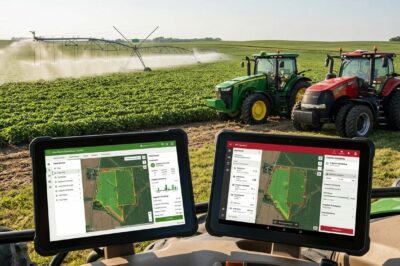
John Deere vs Case IH Irrigation Platform for Soybeans: Operations Center vs AFS Connect and What Each Actually Manages
-
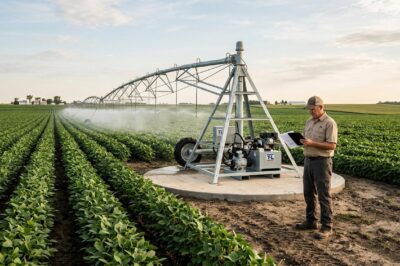
T-L Irrigation Pricing for Soybeans: What Drives System Cost and How to Compare Per-Acre Investment
-
Pivot Wheel Track Compaction and Soybean Yield: Impact, Measurement, and Management