
-
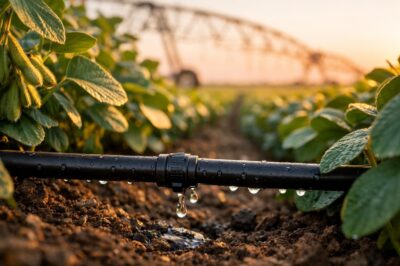
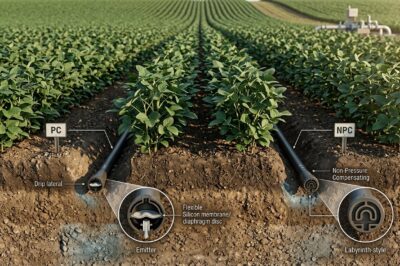
Drip Irrigation for Soybeans: System Design, Water Savings & Field Layout Principles
Key Takeaways: Article Summary: Drip irrigation design for soybeans starts with matching emitter flow rate and spacing to your specific soil type, then sizing pipes so water pressure and flow stay uniform across each irrigation zone. A well-designed system delivers water directly to the root zone at 85-95% efficiency [1], reducing total seasonal water use…
-
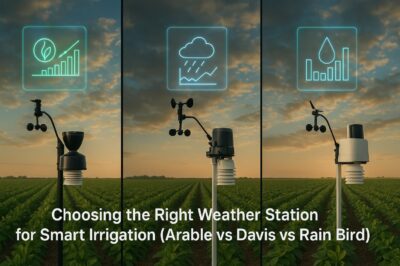
Choosing the Right Weather Station for Smart Irrigation: Arable vs Davis vs Rain Bird
Quick Answer For soybean farmers seeking smart irrigation, the Arable Mark 3 provides the most comprehensive crop intelligence with integrated plant health and soil monitoring, while the Davis Vantage Pro2 offers highly accurate weather data with expandable capabilities, and the Rain Bird WS-PRO2 excels at automated irrigation control for existing Rain Bird systems. Understanding Weather…
-
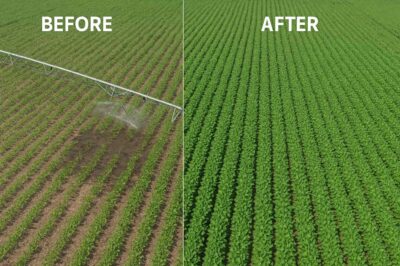
Smart Irrigation ROI Case Studies: Illinois and Iowa Soybean Farms Seeing Real Returns
Key Takeaways Smart irrigation ROI data from Illinois and Iowa soybean farms shows payback periods of 1.5 to 3 years, with farms achieving 20-30% water savings, yield protection benefits, and reduced pumping costs that recover initial sensor investments through a combination of efficiency gains and higher crop value. Real Numbers from Illinois Soybean Operations Illinois…
-
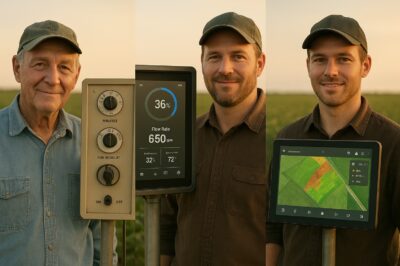
Center Pivot Control Panels Explained: Reinke, Valley ICON & Lindsay Options Compared
Key Takeaways Article Summary Choosing the right irrigation panel controls for your center pivot system requires matching your farm’s size, budget, and technical capabilities to the panel’s complexity level. This guide provides a practical decision framework to select controls that deliver maximum ROI for your specific operation, from basic timer panels at $1,500 to advanced…
-
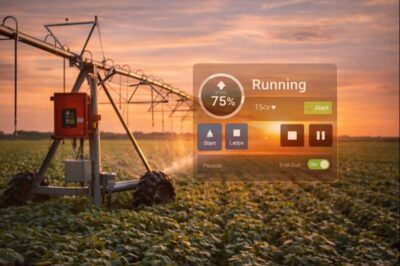
Zimmatic (Lindsay) Center Pivot Systems: FieldNET Controls & Pipe Options Reviewed
Key Takeaways Zimmatic center pivot systems deliver reliable irrigation with integrated FieldNET remote control and flexible pipe configurations suited to different field sizes and terrain conditions. These Lindsay Corporation systems combine proven mechanical design with precision technology that helps soybean farmers cut water use and labor time while protecting yields. Understanding the Zimmatic Product Lineup…
-
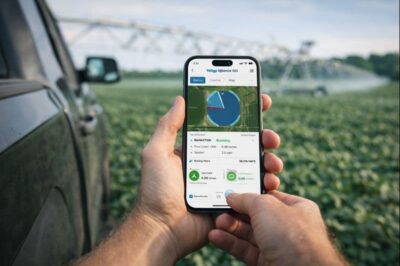
Valley Center Pivot Technology: ICON Panels, VRI Capabilities & GPS Guidance Review
Key Takeaways Valley center pivot systems combine ICON control panels, Variable Rate Irrigation, and GPS guidance to deliver precision water management for soybean production. These technologies work together to optimize application rates across varying field conditions, reduce water and energy costs, and enable remote monitoring that saves labor during peak growing seasons. Valley ICON Control…
-

What Makes a Good Pivot Technician? Checklist for Evaluating Dealer & Service Quality
Key Takeaways A good pivot technician combines certified training with hands-on experience in electrical, hydraulic, and mechanical systems, responds quickly to service calls, maintains adequate parts inventory, and handles warranty claims professionally. The quality of your irrigation technician directly impacts system uptime, crop yields, and long-term equipment reliability during critical growing periods. Why Service Quality…
-
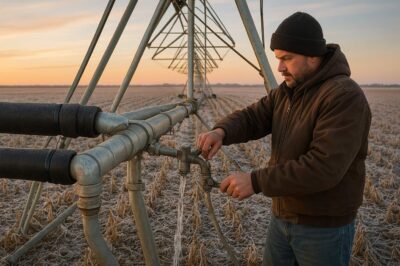
Pivot Winterization and Off-Season Maintenance for Longer System Life
Key Takeaways Proper irrigation seasonal maintenance protects your center pivot investment and prevents costly freeze damage. A systematic approach to spring startup, summer monitoring, fall shutdown, and winter protection extends equipment life while reducing emergency repair costs compared to reactive-only maintenance schedules. Why Seasonal Maintenance Matters for Your Irrigation Investment Center pivot systems represent one…
-
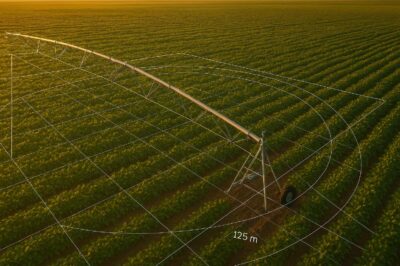
Center Pivot Pre-Installation Planning: Sizing, Site Assessment, and Budget-Optimized Upgrade Paths for Soybean Operations
Key Takeaways The most expensive center pivot mistake happens before you ever turn on the water. Proper pre-installation planning for soybean operations determines whether your system delivers a 3-year payback or becomes a money pit with hidden costs that never stop. Want a quick visual overview? Click here to check out the article-end Infographic Why…
-
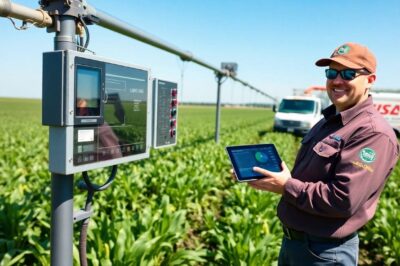
Reinke, Valley & Lindsay Dealer Support: What Farmers Should Expect After Installation
Key Takeaways Irrigation dealer support after installation typically includes emergency repairs, seasonal maintenance, parts availability, and technology training—but the quality and scope of these services vary significantly between Valley, Reinke, and Lindsay dealers based on each manufacturer’s certification requirements and dealer network structure. Understanding Manufacturer-Dealer Relationships When you buy a center pivot from a local…
Follow Us
-
GPS vs Traditional Pivot Guidance for Soybeans: Accuracy, Maintenance, and Upgrade Economics
-
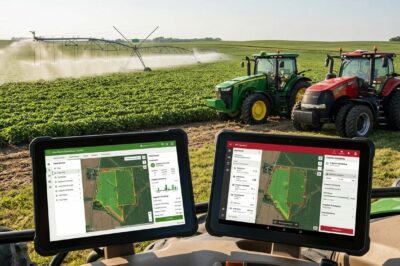
John Deere vs Case IH Irrigation Platform for Soybeans: Operations Center vs AFS Connect and What Each Actually Manages
-
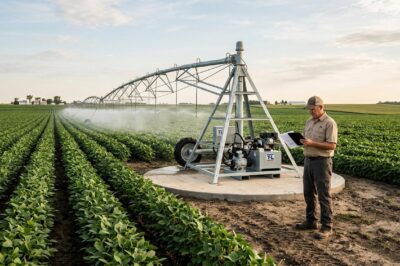
T-L Irrigation Pricing for Soybeans: What Drives System Cost and How to Compare Per-Acre Investment
-
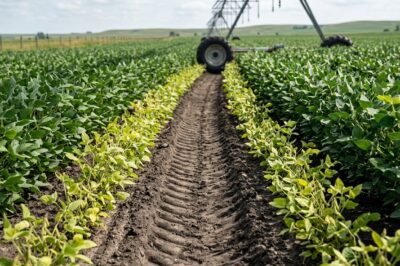
Pivot Wheel Track Compaction and Soybean Yield: Impact, Measurement, and Management