
-
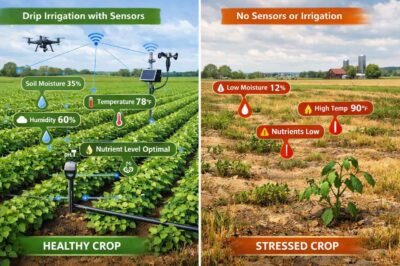
Sensors for Drip Irrigation: How Flow, Line Pressure & Soil Probes Improve Efficiency
Key Takeaways Article Summary Sensors for drip irrigation transform basic systems into responsive, data-driven operations that cut water use 20-30% while catching expensive failures early[1]. Flow meters, line pressure sensors, and soil probes work together to verify application rates, detect clogs before they spread, and time irrigations based on actual crop demand rather than calendar…
-
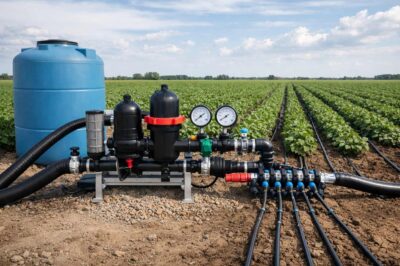
Drip Irrigation Installation Guide: Pumps, Filters and Sensors
Key Takeaways Proper pump sizing ensures 15-25 PSI delivery to drip emitters while accounting for elevation and friction losses Filtration must match water source quality – screen filters for clean wells, disk or media filters for surface water with sediment Pressure regulators installed after filtration maintain consistent emitter output across the entire field Flow and…
-
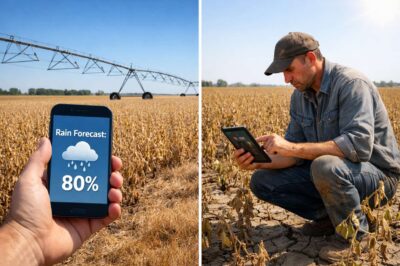
How to Fix Smart Irrigation When Weather Forecasts Skip Watering Soybeans
Key Takeaways Article Summary: Smart irrigation systems skip watering when weather forecasts predict rain that never arrives, but you can fix these problems by adjusting forecast confidence thresholds to 60-70%, using multiple weather data sources for verification, implementing soil moisture sensors as safety nets, and maintaining manual override capabilities for critical soybean reproductive stages. Introduction…
-
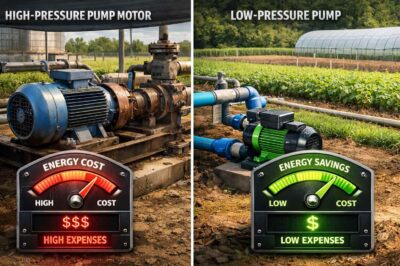
Drip Irrigation Pump Sizing for Soybeans: Calculate HP, GPM & TDH
Key Takeaways Drip irrigation pump sizing for soybeans requires precise calculations matching your field’s water requirements during critical reproductive stages (R3-R6) with pump capacity that delivers 10-25 PSI at the emitters. For a typical 160-acre operation, a properly sized 25-30 HP pump provides 650 GPM at 15 PSI, reducing energy costs by $1,900-$2,400 annually compared…
-
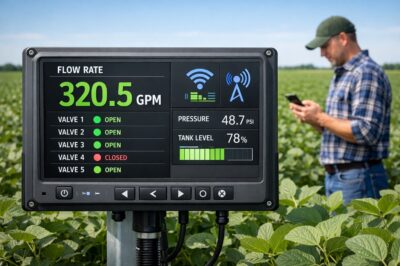
Drip Irrigation Automation Cost for Soybeans: Complete 2026 Pricing Guide
Key Takeaways Understanding the true cost of drip irrigation automation for soybeans requires looking beyond equipment prices to the complete financial picture—including installation, long-term savings, available cost-share programs, and return on investment. For commercial soybean producers, automated drip systems integrate flow sensors, zone valves, and smart controllers to deliver precision irrigation without constant manual oversight,…
-
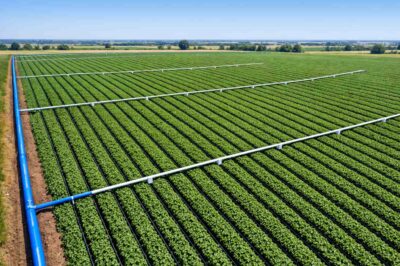
How to Design Drip Irrigation System Layout for Soybeans: Mainline, Zones & Laterals
Key Takeaways Article Summary A well-designed drip irrigation system layout for soybeans starts with a looped mainline feeding submains that bisect your field, with laterals running along each soybean row or bed. The key is sizing mainline and submains so pressure and flow stay uniform from inlet to tail, then dividing the system into zones…
-
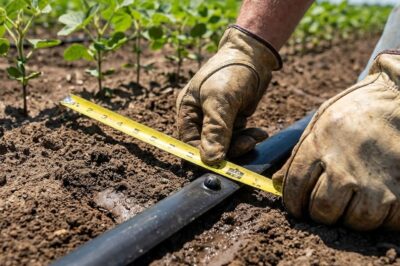
How to Set Up Drip Irrigation Spacing for Soybeans
Key Takeaways Setting up drip irrigation for soybeans means making two critical decisions: emitter spacing and flow rate. For most Midwest soybean operations on loam or silt loam soils with 30-inch rows, 12-inch emitter spacing paired with 0.6 GPH flow rate provides the best balance of coverage, cost, and performance during peak water demand periods.…
-
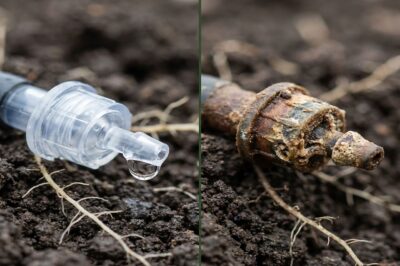
Filtration Requirements for Drip Irrigation Systems in Soybean Fields
Key Takeaways Article Summary Irrigation filtration requirements for drip systems depend on matching filter micron ratings to your smallest emitter passage size and water source quality. For soybean drip irrigation, you need 120-150 mesh filtration minimum for standard drip emitters, with filter type selection (screen, disc, or media) based on total suspended solids and organic…
-
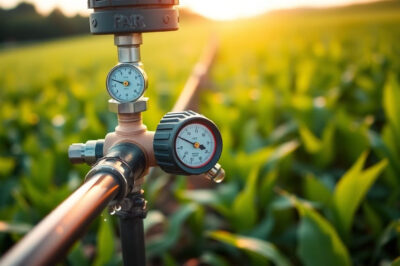
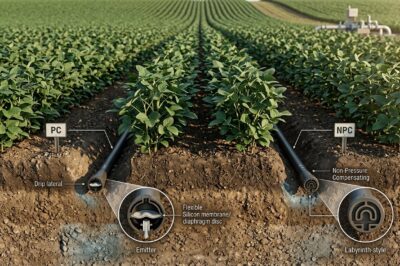
Pressure Regulation in Drip Systems: How to Prevent Emitter Failure & Flow Inconsistencies
Key Takeaways Article Summary: Proper pressure regulation in drip irrigation systems prevents the three primary causes of emitter failure—blown fittings from excess pressure, clogging from inadequate filtration, and uneven flow from pressure inconsistencies—by maintaining stable 15-30 PSI operating pressure throughout the system. Try our interactive Troubleshooting Workflow: Click Here Why Drip Irrigation Pressure Regulation Fails…
-
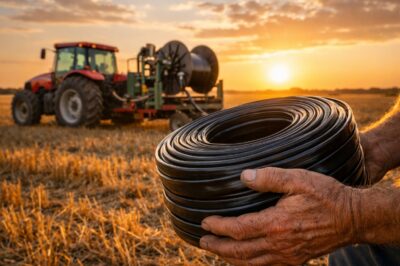
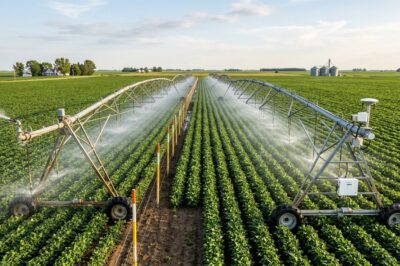
Above-Ground Drip Irrigation for Soybeans: When It Outperforms SDI
Key Takeaways: Above-ground drip irrigation delivers 90-95% water use efficiency while giving farmers the flexibility to move systems between fields, test technology before permanent SDI investment, and maintain easier access for troubleshooting. Surface drip works best on rental fields, oddly-shaped parcels, operations testing drip technology, or farms requiring seasonal system relocation between different crops. Understanding…

Follow Us
-
GPS vs Traditional Pivot Guidance for Soybeans: Accuracy, Maintenance, and Upgrade Economics
-
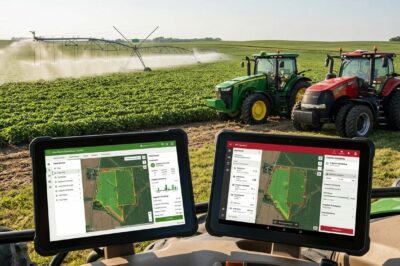
John Deere vs Case IH Irrigation Platform for Soybeans: Operations Center vs AFS Connect and What Each Actually Manages
-
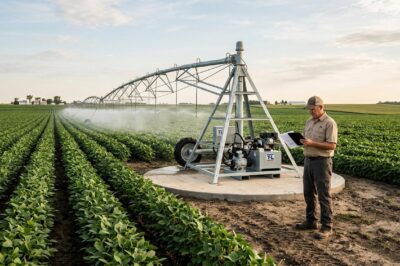
T-L Irrigation Pricing for Soybeans: What Drives System Cost and How to Compare Per-Acre Investment
-
Pivot Wheel Track Compaction and Soybean Yield: Impact, Measurement, and Management