
Key Takeaways
White mold in soybeans thrives in cool, moist conditions, especially during the flowering stage.
Proper irrigation management can significantly reduce the risk of white mold.
Using technology for precision irrigation helps maintain optimal soil moisture levels.
Combining fungicide applications with smart irrigation practices improves disease control.
Monitoring weather conditions and adjusting irrigation schedules are crucial for managing white mold.
How Smart Irrigation Management Can Control Soybean White Mold

“White Mold Management in Soybeans” from www.stclairfs.com
White mold, or Sclerotinia stem rot, is a common issue for soybean farmers, particularly those who use irrigation. This disease can drastically reduce yields if not managed properly. However, with smart irrigation management, we can control white mold effectively.
Understanding Soybean White Mold
White mold is caused by the fungus Sclerotinia sclerotiorum. This fungus thrives in specific environmental conditions, making it a significant concern for irrigated soybean fields. The disease manifests as white, fluffy growths on the stems and pods of the soybean plants.
During the early stages of infection, you might notice wilting and yellowing leaves. As the disease progresses, it produces hard, black structures called sclerotia, which help the fungus survive in the soil for years. Understanding these signs can help in early detection and management.
Impact on Soybean Yields
White mold can cause significant yield losses. In severe cases, it can reduce yields by more than 50%. The impact varies depending on the severity of the infection and the growth stage of the plants when they become infected.
In 2023, many soybean farmers reported substantial yield losses due to white mold. This highlights the importance of proactive management strategies, especially in irrigated fields where the conditions are often ideal for the disease to thrive.
Key Factors for White Mold Development
To manage white mold effectively, it’s crucial to understand the key factors that contribute to its development. These factors include environmental conditions and crop conditions that favor the growth of the fungus.
Environmental Conditions
White mold thrives in cool, moist environments. Temperatures below 80 degrees Fahrenheit and high humidity levels create the perfect conditions for the fungus to grow. Additionally, free moisture on the foliage, such as dew or irrigation water, can promote the spread of the disease.
Therefore, monitoring weather conditions is essential. When the weather is cool and humid, it’s important to adjust irrigation practices to minimize free moisture on the plants.
Crop Conditions Favoring White Mold
Certain crop conditions can also contribute to the development of white mold. Dense plant canopies, for example, can create a microenvironment with higher humidity and less airflow, which favors the growth of the fungus.
Moreover, soybean plants are most susceptible to white mold during the flowering stage. This is when the fungus is most likely to infect the plants and cause significant damage. Therefore, managing crop conditions and timing irrigation practices are crucial steps in controlling white mold.
Principles of Smart Irrigation Management
“What is a smart irrigation system❓” from geopard.tech
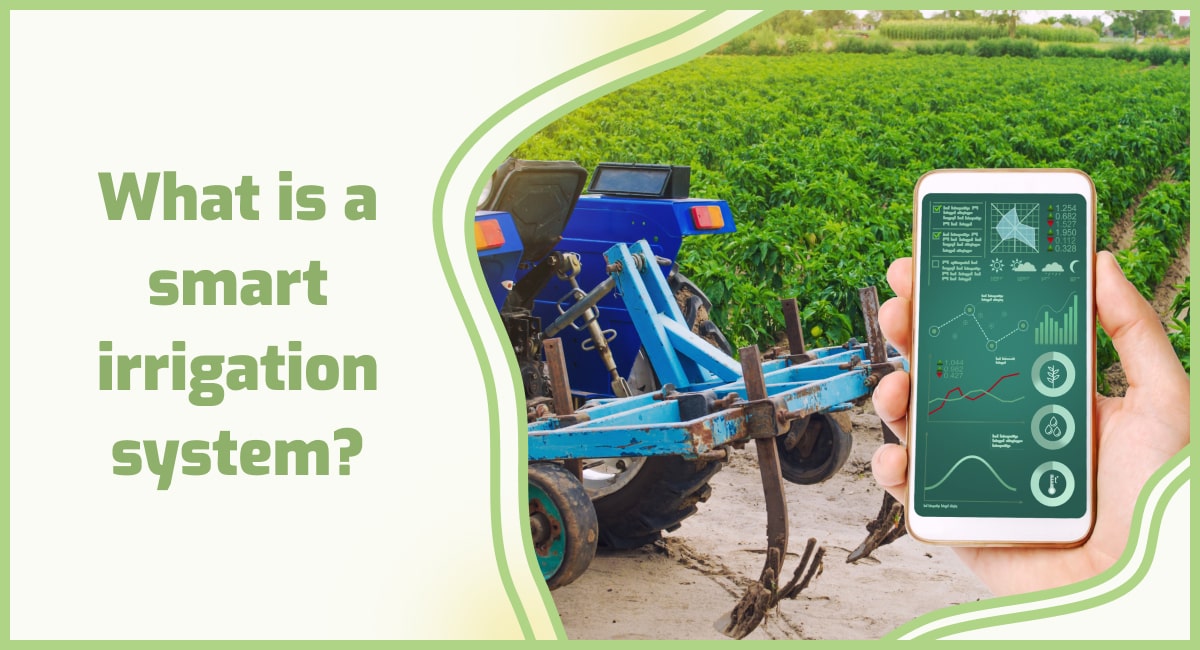
“Smart irrigation management involves using technology and data to optimize irrigation practices. This helps maintain optimal soil moisture levels, reduces the risk of disease, and improves overall crop health. Here are some key principles of smart irrigation management:
Monitor soil moisture levels regularly.
Adjust irrigation schedules based on weather conditions.
Use precision irrigation technology to apply water efficiently.
Combine irrigation with other management practices, such as fungicide applications.
Optimal Soil Moisture Levels
Maintaining optimal soil moisture levels is crucial for controlling white mold. Too much moisture can create conditions that favor the growth of the fungus, while too little moisture can stress the plants and reduce yields.
Using soil moisture sensors can help monitor moisture levels in real-time. These sensors provide accurate data on soil moisture, allowing you to adjust irrigation practices accordingly. By maintaining optimal soil moisture levels, you can reduce the risk of white mold and improve overall crop health.
Using Technology for Precision Irrigation
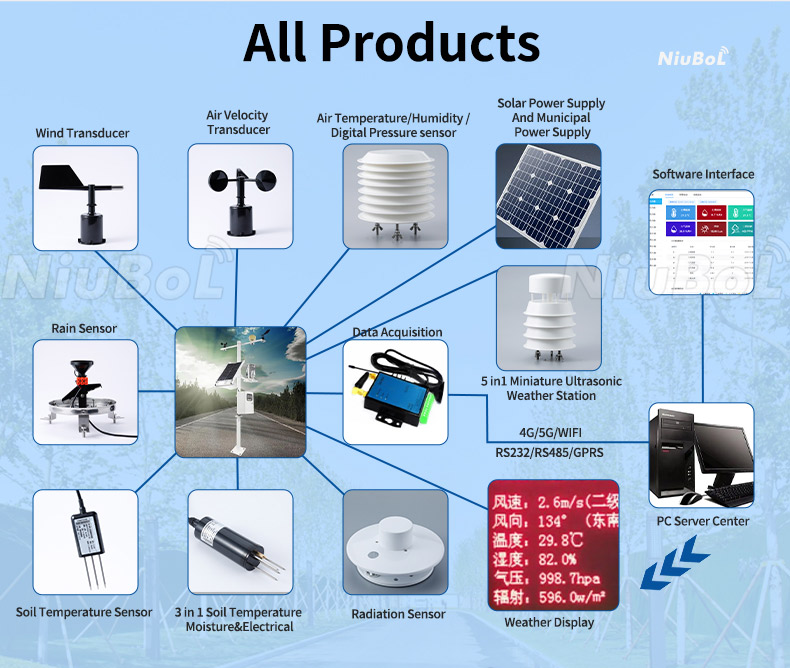
Technology plays a crucial role in precision irrigation, allowing farmers to apply water efficiently and accurately. By using tools like soil moisture sensors, weather stations, and irrigation controllers, we can optimize water usage and reduce the risk of white mold.
Soil moisture sensors provide real-time data on the moisture content of the soil. This helps in making informed decisions about when and how much to irrigate. Weather stations monitor local weather conditions, enabling adjustments to irrigation schedules based on humidity, temperature, and rainfall. For more information on managing irrigation and white mold, you can refer to the MSU Extension article.
Irrigation controllers automate the irrigation process, ensuring that water is applied at the right time and in the right amount. These technologies work together to create a smart irrigation system that minimizes water waste and reduces the conditions that favor white mold development.
Integrating Control Measures with Irrigation
Besides optimizing irrigation practices, integrating other control measures is essential for effective white mold management. This includes combining irrigation with fungicide applications and monitoring and adjusting irrigation schedules based on crop needs and environmental conditions. For instance, using soil moisture sensors can help ensure precise irrigation management.
By combining these strategies, we can create a comprehensive approach to managing white mold in soybean fields. This integrated approach not only helps in controlling the disease but also improves overall crop health and yields. Learn more about smart irrigation management for other soybean diseases.
Combining Irrigation with Fungicide Applications
Fungicides are a vital tool in managing white mold. However, their effectiveness can be enhanced when combined with smart irrigation practices. Applying fungicides at the right time, such as during the early flowering stage, can significantly reduce the risk of infection.
For instance, after a fungicide application, it’s essential to manage irrigation to prevent excessive moisture on the foliage. This can be achieved by scheduling irrigation in a way that allows the foliage to dry quickly, reducing the chances of the fungus spreading.
Moreover, using fungicides with different modes of action can help prevent the development of resistance in the fungus. By rotating fungicides and integrating them with smart irrigation practices, we can create a robust defense against white mold.
Monitoring and Adjusting Irrigation Schedules
Continuous monitoring and adjusting irrigation schedules are crucial for effective white mold management. This involves regularly checking soil moisture levels, weather conditions, and crop health to make informed decisions about irrigation.
Using tools like soil moisture sensors and weather stations can provide valuable data for this purpose. For example, if the soil moisture levels are high and the weather is cool and humid, it may be necessary to reduce irrigation to prevent the conditions that favor white mold.
Additionally, adjusting irrigation schedules based on the growth stage of the soybean plants can help minimize the risk of infection. For instance, during the flowering stage, when the plants are most susceptible to white mold, it’s essential to manage irrigation carefully to avoid excessive moisture on the foliage.
Implementing Smart Irrigation Practices
“Soil sensors and weather sensors …” from www.niubol.com
Implementing smart irrigation practices involves a combination of technology, data analysis, and proactive management. By following a systematic approach, we can optimize water usage, reduce the risk of white mold, and improve overall crop health.
Here’s a step-by-step guide to implementing smart irrigation practices:
Step-by-Step Guide
Install Soil Moisture Sensors: Place sensors at different depths and locations in the field to monitor soil moisture levels accurately.
Set Up Weather Stations: Use weather stations to monitor local weather conditions, including temperature, humidity, and rainfall.
Use Irrigation Controllers: Automate the irrigation process with controllers that adjust water application based on real-time data from soil moisture sensors and weather stations.
Monitor Data Regularly: Continuously monitor soil moisture levels and weather conditions to make informed decisions about irrigation schedules.
Adjust Irrigation Based on Crop Needs: Tailor irrigation practices to the growth stage of the soybean plants, reducing water application during the flowering stage to minimize the risk of white mold.
Combine with Fungicide Applications: Integrate fungicide applications with smart irrigation practices to enhance disease control.
Key Tips for Effective Implementation of Smart Irrigation for Soybean Disease Control
From real-world usage several key lessons can be learned:
Regular monitoring and data analysis are crucial for effective irrigation management.
Combining irrigation with other control measures, such as fungicide applications, enhances disease control.
Using technology, such as soil moisture sensors and weather stations, provides valuable data for making informed decisions.
Adjusting irrigation schedules based on crop needs and environmental conditions can significantly reduce the risk of white mold.
Future Trends in Irrigation Management
The future of irrigation management looks promising with advancements in technology and innovative practices. These trends will help farmers optimize water usage, reduce disease risks, and improve crop yields.
Advancements in Irrigation Technology
Several advancements in irrigation technology are set to revolutionize the way we manage water in agriculture. Precision irrigation systems, for example, use sensors and automated controllers to apply water efficiently and accurately.
Additionally, drones and satellite imagery are being used to monitor crop health and soil moisture levels. These technologies provide real-time data that can help farmers make informed decisions about irrigation practices.
Moreover, artificial intelligence (AI) and machine learning algorithms are being developed to analyze data from various sources and optimize irrigation schedules. These advancements will enable farmers to use water more efficiently and reduce the risk of diseases like white mold.
Potential Challenges and Solutions
Despite the promising advancements, there are several challenges that farmers may face in implementing smart irrigation practices. These challenges include the cost of technology, the need for technical expertise, and the variability of environmental conditions. For instance, farmers dealing with white mold in soybeans can refer to modern integrated management practices to better understand how to manage this issue.
“While the initial investment in smart irrigation technology can be high, the long-term benefits in terms of water savings and yield improvements make it a worthwhile investment.” – Agricultural Economist
To overcome these challenges, farmers can seek financial assistance through government grants and subsidies. Additionally, training programs and workshops can help farmers develop the technical expertise needed to use these technologies effectively.
Furthermore, collaborating with agricultural extension services and research institutions can provide valuable support and guidance in implementing smart irrigation practices. For instance, the University of Nebraska–Lincoln offers insights on managing white mold threats in soybeans. By addressing these challenges, we can pave the way for more sustainable and efficient irrigation management in the future.
Frequently Asked Questions (FAQ)

Here are some common questions about smart irrigation management and white mold control in soybeans:
What is the best time to irrigate soybeans to avoid white mold?
The best time to irrigate soybeans to avoid white mold is during the early morning or late evening. This allows the foliage to dry quickly, reducing the risk of infection. Avoid irrigating during the flowering stage when the plants are most susceptible to white mold.
How much water do soybeans need during different growth stages?
Soybeans require different amounts of water at various growth stages. During the vegetative stage, they need about 0.5 inches of water per week. During the flowering and pod-filling stages, they need about 1 to 1.5 inches of water per week. Adjust irrigation practices based on these requirements to optimize crop health and yield. For more information on precision agriculture, check out the best soil moisture sensors for soybean irrigation systems.
What role does weather forecasting play in smart irrigation management?
Weather forecasting plays a crucial role in smart irrigation management. By monitoring weather conditions, farmers can adjust irrigation schedules to avoid overwatering and reduce the risk of white mold. For example, if rain is forecasted, farmers can reduce or skip irrigation to prevent excessive moisture in the field.
Using weather stations and forecasting tools can provide accurate data on temperature, humidity, and rainfall, helping farmers make informed decisions about irrigation practices.
White mold concerns in irrigated soybean fields are becoming increasingly significant. Proper management and control strategies are essential to mitigate the impact of this disease. One effective approach is to implement smart irrigation management practices. These practices not only help in controlling the moisture levels but also reduce the favorable conditions for white mold development. For more detailed information on modern integrated management practices, you can refer to this Crop Protection Network publication.





Leave a Reply