
Agriculture, as the basis for our large-scale survival, has always been at the forefront of technology, (irrespective of movie caricatures).
Once more, new technology is helping farmers grow more food with even fewer resources. This is important because the world’s population is growing, and we need to produce more food. At the same time, we have to deal with less water and changing weather.
Artificial Intelligence (AI) is making a big difference in farming. It helps farmers grow better crops and use less water. AI can look at fields from space and spot problems before they get big. It can also predict when plants might get sick. These new tools are helping farms around the world work better.
Key Takeaways
- AI is helping farmers grow more food with less water and land
- New technology can spot crop problems early and predict harvests
- Smart farming tools are changing how we grow food around the world
Article at a Glance
| Key Element | Details |
|---|---|
| Detecting Crop Diseases | – AI uses computer vision and deep learning to identify plant diseases. – Benefits: early detection, precise targeting, and monitoring large areas quickly. – Examples: Spotting apple scab, yellow rust in wheat fields. |
| Smart Weed Management | – AI-powered systems identify and target weeds precisely, reducing herbicide use by up to 90%. – Benefits: cost savings, better yields, and environmental protection. – Comparison: Higher precision and lower environmental impact compared to manual or blanket spraying methods. |
| Farm Animal Wellness | – AI monitors livestock behavior and health 24/7 using smart cameras and sensors. – Benefits: early illness detection, improved feeding plans, better animal welfare, and farm profitability. |
| Predicting Crop Yields | – Machine learning models analyze weather, soil, and historical yield data to predict harvest amounts. – Benefits: better planning, reduced waste, and smarter resource use. |
| Smart Water Management | – AI-powered irrigation systems use soil moisture and weather data to optimize water distribution. – Benefits: reduces water waste (25-40%), increases crop growth (5-15%), and improves sustainability. |
| AI-Powered Drones | – AI drones monitor crop health, apply treatments precisely, and spot pest or nutrient issues. – Benefits: higher yields, better crop quality, and reduced environmental impact. |
| Supply Chain Management | – AI predicts demand, manages inventory, and optimizes harvest and delivery schedules. – Benefits: reduces waste, improves flexibility, and ensures timely delivery. |
| Challenges of AI in Agriculture | – High initial costs, data privacy concerns, and the need for technical training. – Risk of errors from bad data and potential job displacement. |
| Future Directions | – Increased use of autonomous robots and smarter AI systems. – Advanced weather forecasting and crop breeding using AI. – Smarter supply chains for better food distribution. |
How AI Detects Crop Diseases
AI is changing how farmers find and treat plant diseases. Computer vision and deep learning help spot problems early. These tools look at pictures of crops to find signs of sickness.
For apple trees, AI can spot scab with amazing accuracy. It looks at leaf photos and figures out if they’re healthy or not. This helps farmers act fast to save their apples.
In wheat fields, AI checks for yellow rust. It scans large areas quickly, finding trouble spots that people might miss. This saves time and crops.
AI also helps with crop health by:
- Finding diseases early
- Covering big fields fast
- Giving exact locations of problems
- Working day and night
AI doesn’t replace farmers. It gives you a powerful tool to keep your crops healthy. You can catch issues before they spread. This means better harvests and less waste.
As AI gets smarter, it will help with more types of crops and diseases. You can expect even better plant disease detection in the future.
Smart Weed Management Systems
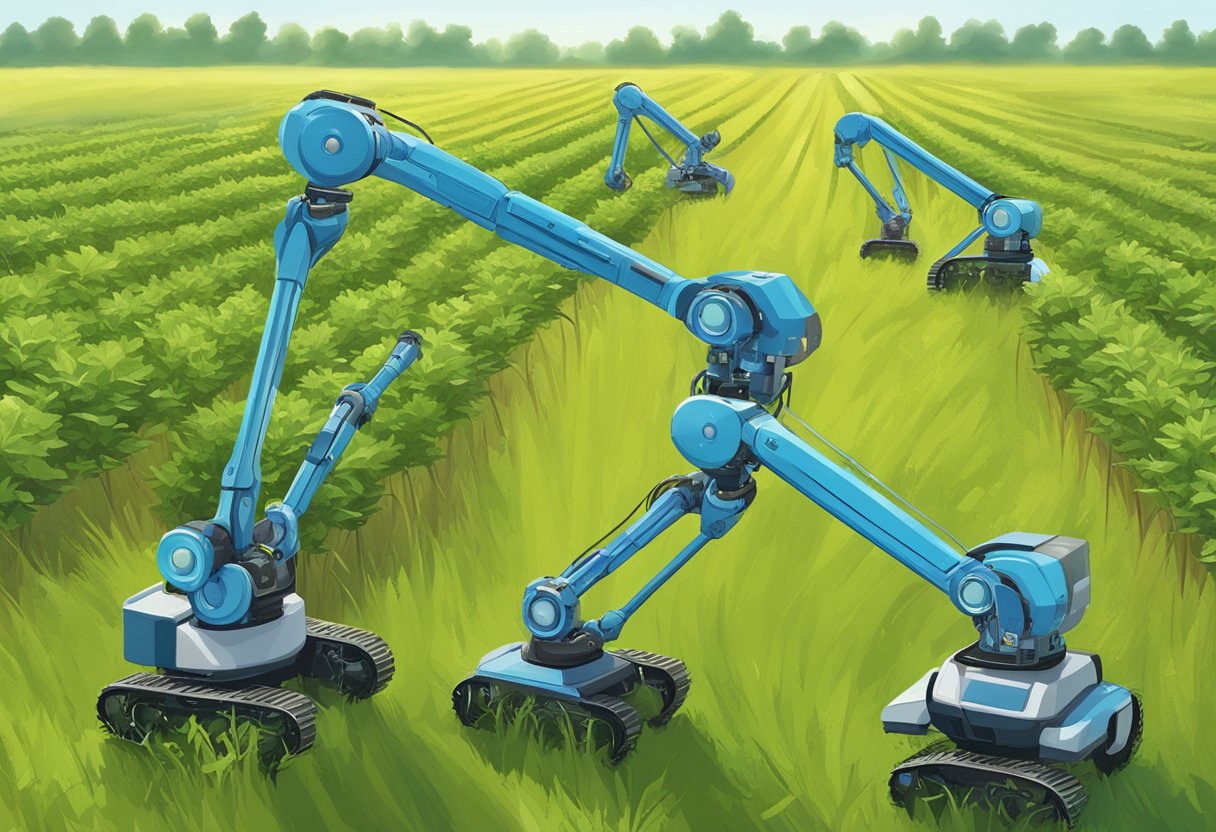
AI-powered weed control is changing the game for farmers. These cutting-edge tools use machine learning and computer vision to spot weeds among crops. This means you can target weeds precisely, using much less herbicide than before.
Some key benefits of smart weed control:
- Cuts herbicide use by up to 90%
- Protects the environment
- Saves time and money
- Improves crop yields
Major farm equipment makers now offer AI weed control tech. You can find robots and sprayers that use cameras and AI to zap weeds. These machines work in fields day or night, rain or shine.
Here’s how AI weed control compares to old methods:
| Method | Precision | Environmental Impact | Labor Needed |
|---|---|---|---|
| Manual | Low | Low | High |
| Blanket Spraying | Low | High | Medium |
| AI-Powered | High | Low | Low |
AI weed control fits well with precision agriculture. You can link it to other smart farm tech like soil sensors and drones. This helps you manage your whole farm more efficiently.
The tech keeps getting better. Newer AI can tell different weed species apart. This lets you use the right treatment for each weed type. Some systems can even spot early signs of crop disease.
While the upfront cost is higher, many farmers find AI weed control pays off. You’ll likely use less herbicide and labor over time. Plus, your crops may do better without weed competition.
AI weed control is part of a bigger trend toward smarter, greener farming. It helps you be a better steward of your land while boosting your bottom line.
Watching Over Farm Animal Wellness
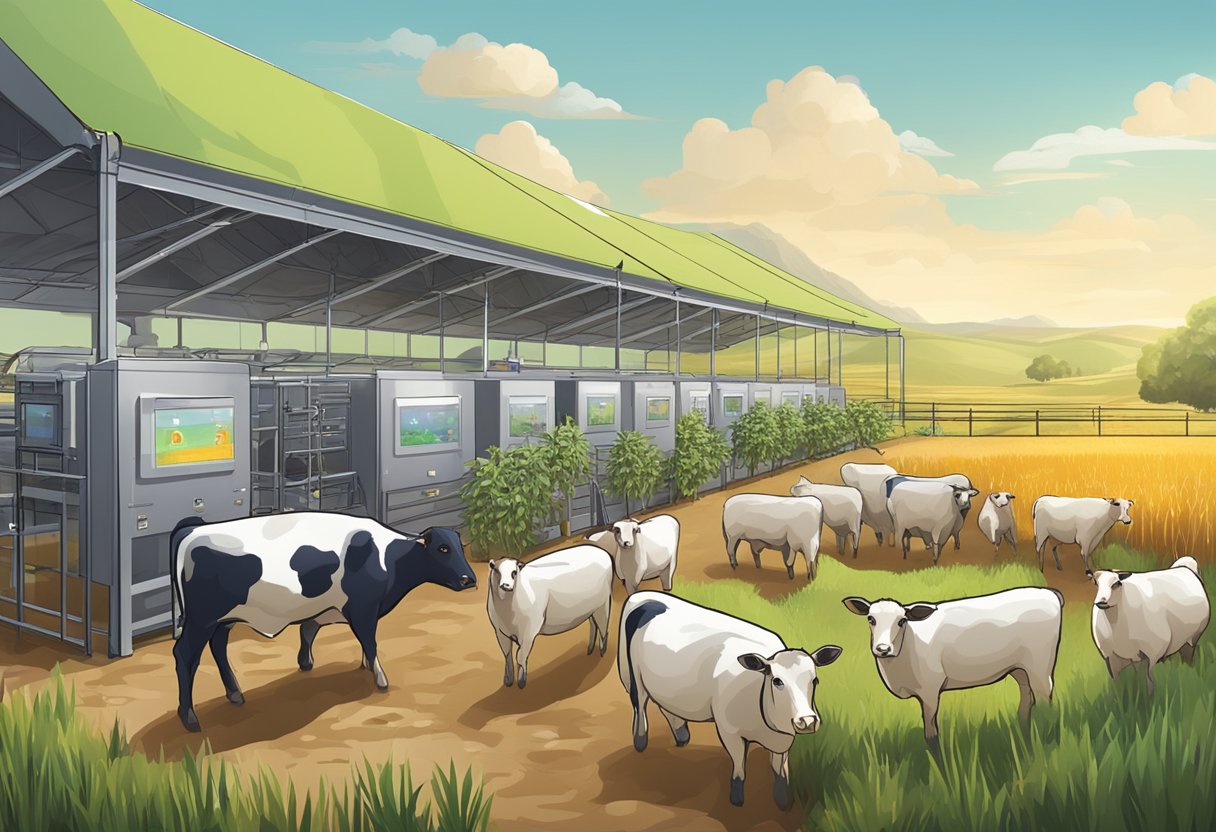
AI is changing how we keep farm animals healthy. New tech helps spot health problems faster than ever. Smart cameras and sensors watch how animals move and look. This lets farmers know right away if something’s wrong.
You can now use AI to:
- Track animal behavior 24/7
- Spot early signs of illness
- Improve feeding plans
These tools make farms run better. They help animals stay healthier and farms make more money.
AI also helps by looking at lots of animal pictures. It learns to tell animals apart and spot health issues. This makes the AI even smarter at helping farmers.
With AI, you can:
- See problems before they get big
- Give animals better care
- Make smarter choices about farm work
AI tools are becoming a must-have for modern farms. They boost animal welfare and farm success. As this tech gets better, it will change how we raise farm animals for the better.
Predicting Crop Yields with Advanced Analytics
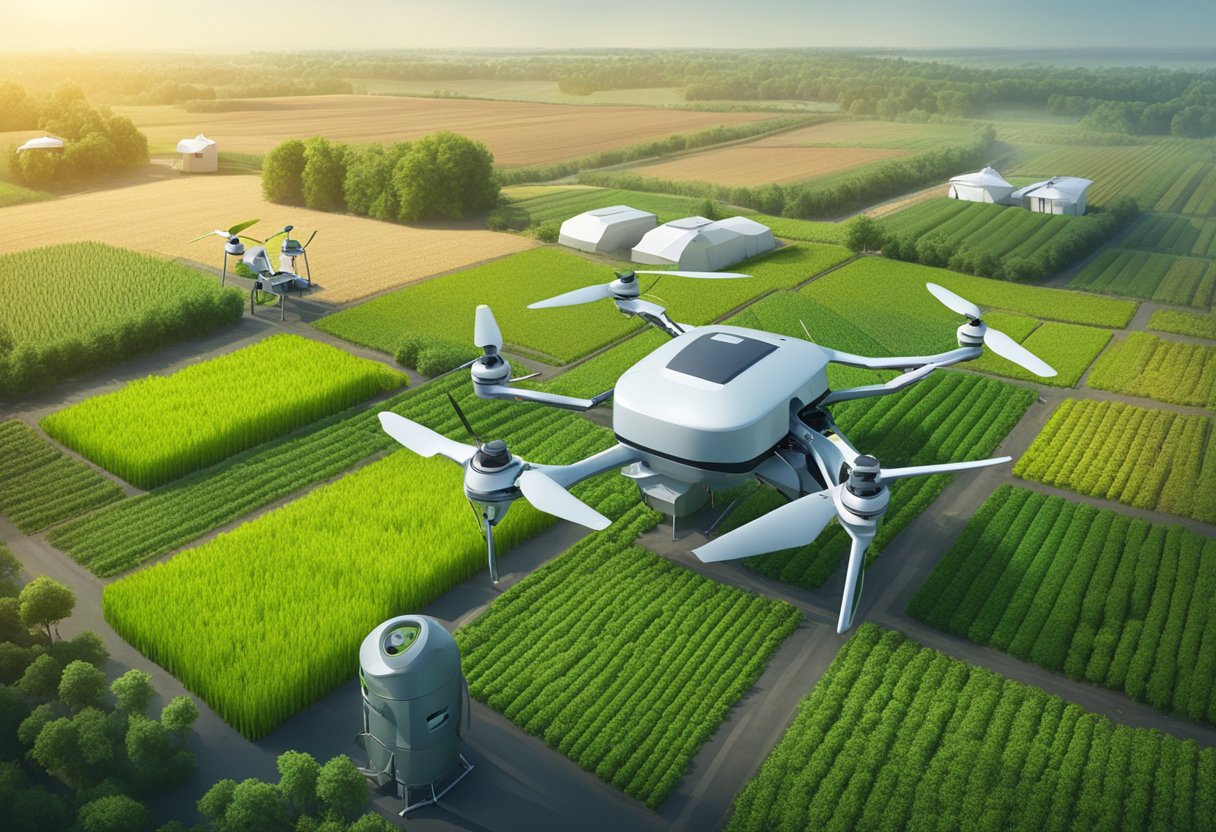
Farmers now have powerful tools to forecast their harvests. Machine learning models can predict crop yields with impressive accuracy. These systems use data from many sources to make smart guesses about how much food a field will produce.
You might wonder how this works. Here’s a simple breakdown:
- Collect data (weather, soil, past yields)
- Feed data into AI models
- Models learn patterns
- New data is used to make predictions
The benefits are clear:
- Better planning for harvest
- Smarter use of resources
- Reduced waste
Neural networks, a type of AI, are great at finding hidden patterns in farm data. They can spot things humans might miss. This leads to more accurate yield predictions.
Predictive analytics isn’t just for big farms. Even small growers can use these tools. Many are now available as easy-to-use apps or web services.
Here’s what you can predict:
- Total harvest amount
- Crop quality
- Best time to plant or harvest
- Potential problem areas in fields
Remember, these are predictions, not guarantees. But they’re getting better all the time. As more data is collected, the models become smarter and more accurate.
Smart Water Management in Farming
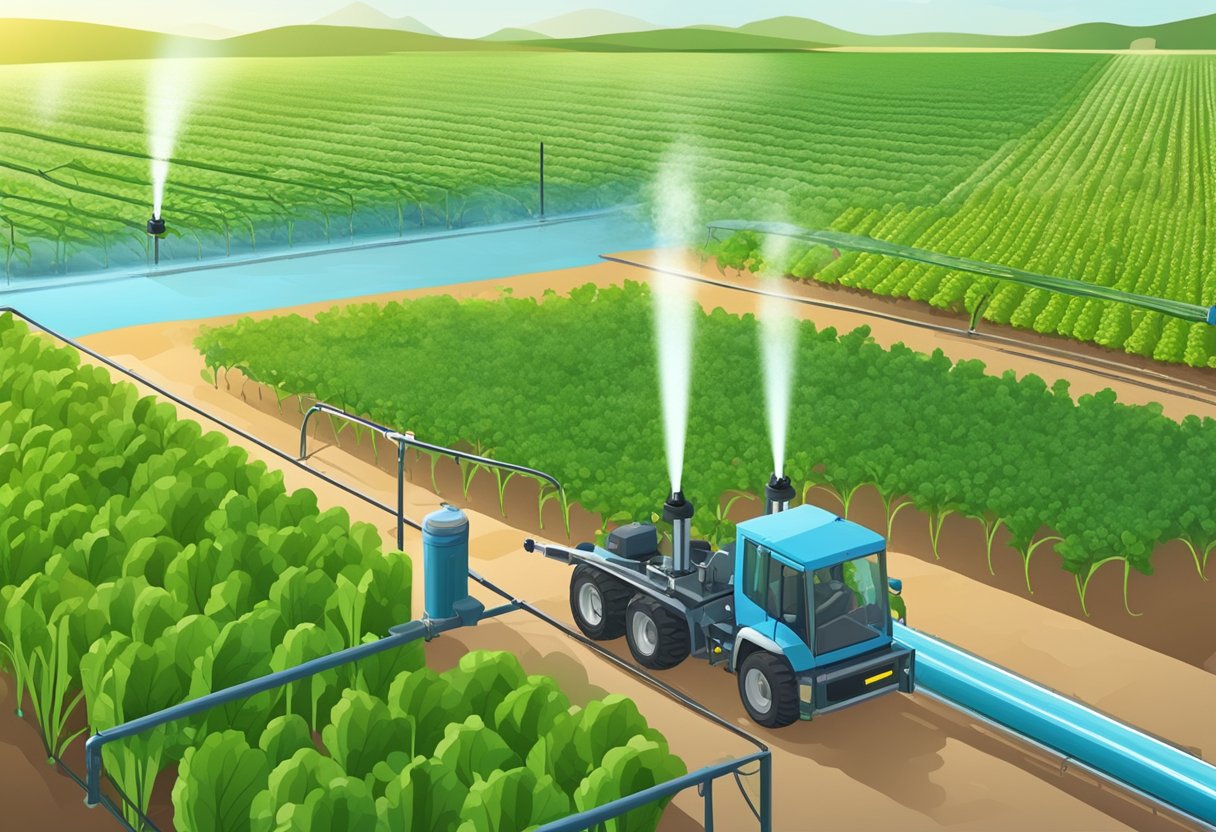
AI-powered irrigation systems are changing how farms use water. These systems use data from many sources to decide exactly how much water crops need. You can see big improvements in water use with this tech.
Smart sensors in the field measure things like:
- Soil moisture
- Weather conditions
- Plant needs
AI looks at all this info and controls the water. It makes sure plants get just the right amount – not too much or too little.
Some benefits of these systems:
- Less wasted water
- Better crop growth
- Higher quality produce
You can save 25-40% on water while growing 5-15% more crops. This helps make farming more eco-friendly. It’s a win for both farmers and the planet.
AI-Powered Drones Revolutionize Farm Management
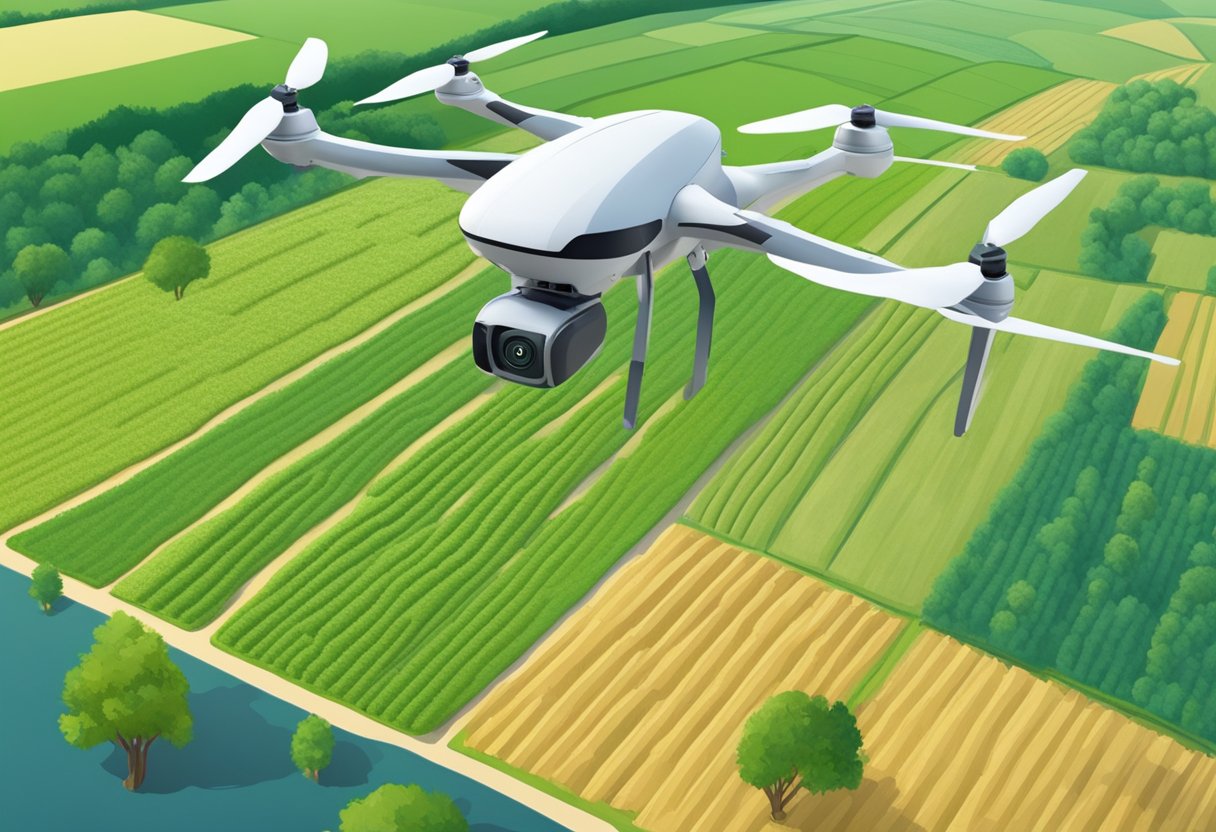
AI-equipped drones are changing the game in crop monitoring. These flying helpers use smart computer vision to spot plant health issues quickly. They can even take action on their own when needed.
These high-tech drones do more than just watch. They can spray crops with amazing accuracy. Whether it’s pest control or adding nutrients, drones analyze crop images in real-time. This lets them spray exactly where it’s needed, giving plants just what they need, when they need it.
You might wonder about using drones on big farms. Getting lots of drones to work together over large areas is tricky. But that hasn’t stopped farmers from embracing this tech.
Scientists keep finding new ways to make these drones even smarter. Some are working on spray systems that can:
- Adjust spray amounts based on crop condition
- Target individual weeds precisely
This smart approach does several things for you:
- Boosts crop quality
- Increases yield
- Reduces environmental impact
- Keeps crops healthier
To get the most from these drones, you’ll need some training. Learning to operate and maintain them is key. But don’t worry – the payoff is worth it. With AI drones, you can keep a closer eye on your crops than ever before.
Forecasting and Supply Management in Agriculture
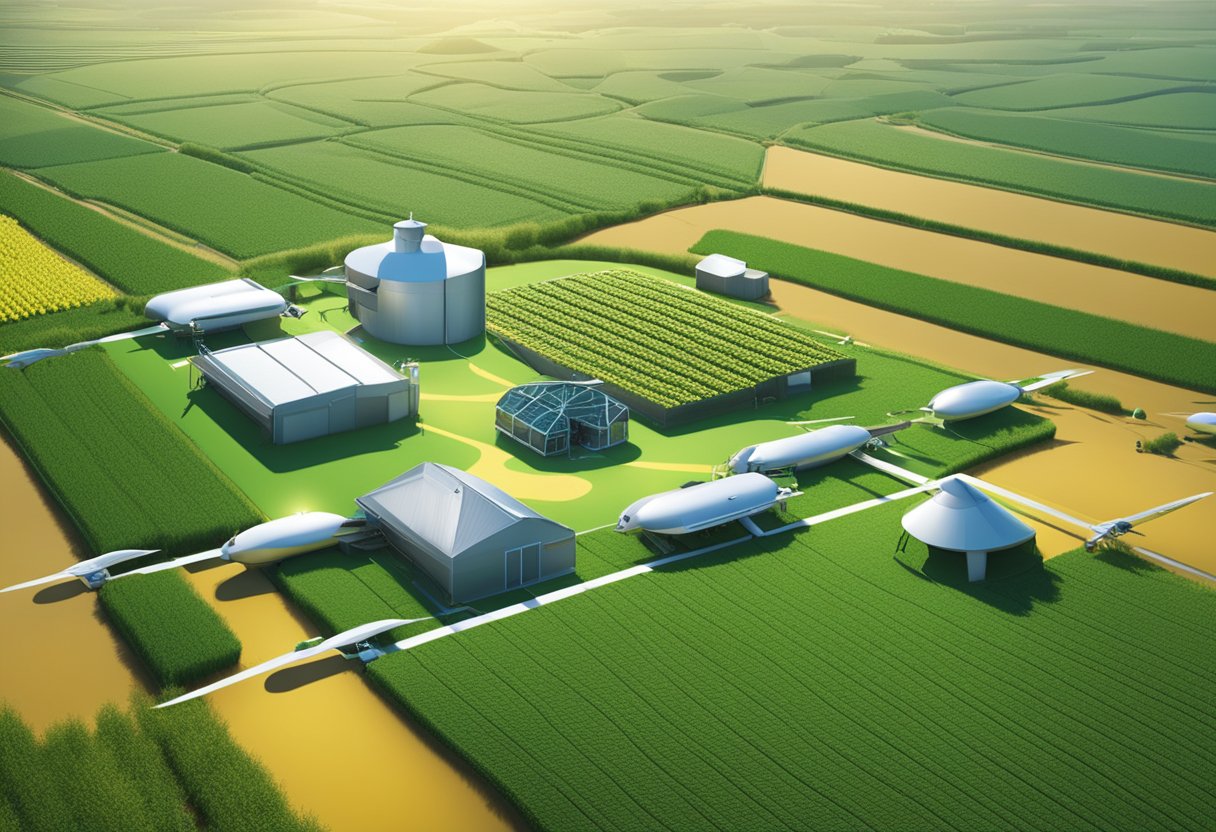
AI technology is transforming how farms and food companies manage their supply chains. These smart systems look at market data to predict what customers will want. This helps you plan better and waste less.
AI tools can:
- Analyze past sales to spot trends
- Adjust quickly to market changes
- Help manage inventory more efficiently
You can use AI to control every step from farm to store. It keeps track of products and makes sure they get where they need to go on time.
Some companies are already using AI to make their supply chains work better. These tools help you:
- Predict crop yields
- Plan harvests
- Schedule deliveries
With AI, you can respond faster when things change. This keeps your business flexible and ready for anything.
Farming’s Digital Revolution
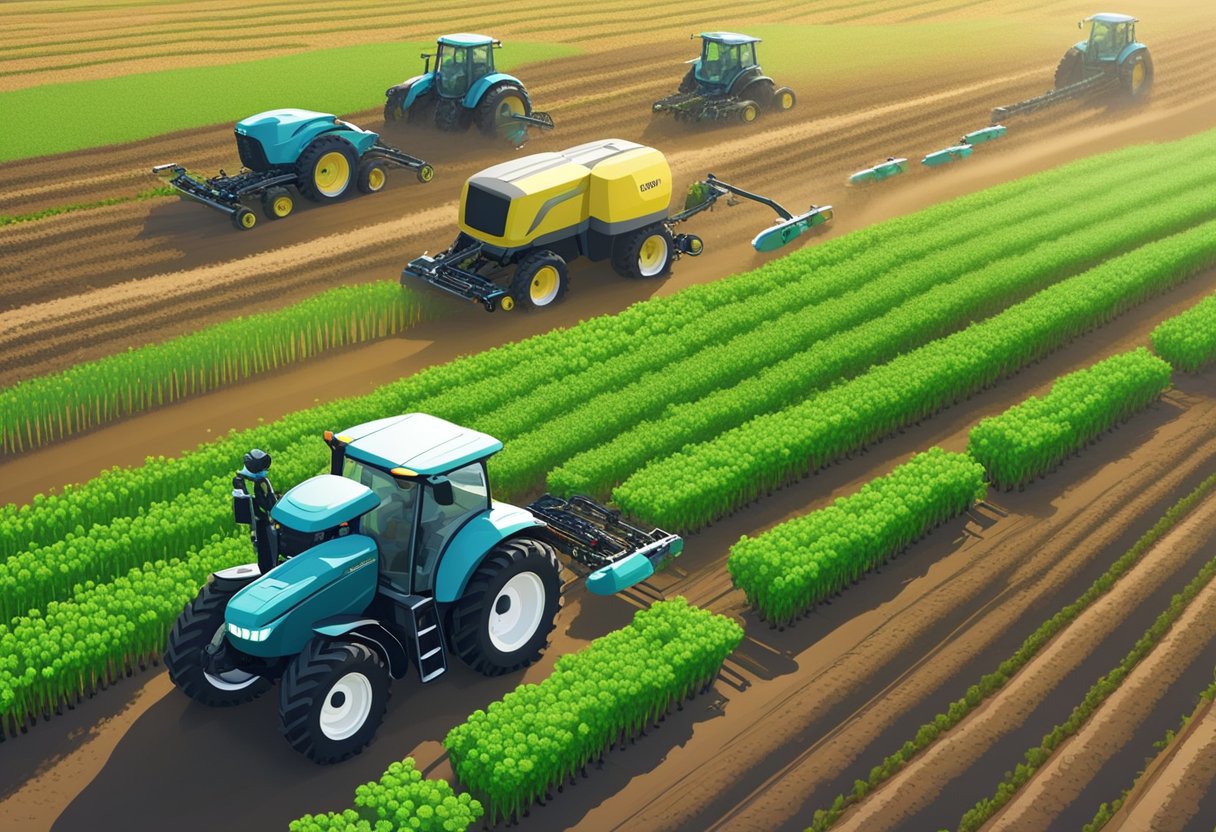
The world of agriculture is changing fast. You’re now at the start of a big shift in how farming works. Old ways of farming are meeting new computer tech, and it’s changing everything.
This change comes at just the right time. The weather is getting less predictable, and we need to take better care of our planet. At the same time, more people need food. Smart farming tools can help with all of this.
Here’s what smart farming can do for you:
- Make your farm run smoother
- Help you farm in ways that are better for the earth
- Use less water and other resources
- Keep a closer eye on how your crops are doing
Smart farming isn’t just about new tools. It’s about a new way of thinking. You’re not just a farmer anymore. You’re also a tech expert. You use your farming know-how to make smart tech work even better.
This is an exciting time for farming. You can now use things like:
- Computer eyes to check your crops
- Robots to help with tough jobs
- Smart systems to water your fields
All of these help you grow more food while taking care of the land.
Let’s look at some ways smart farming helps with sustainability:
| Smart Farming Tool | How It Helps |
|---|---|
| Smart watering | Uses less water |
| Pest detectors | Reduces chemical use |
| Soil sensors | Keeps soil healthy |
| Harvest robots | Cuts down on waste |
Common Questions About AI in Farming
How is AI changing the way we farm?
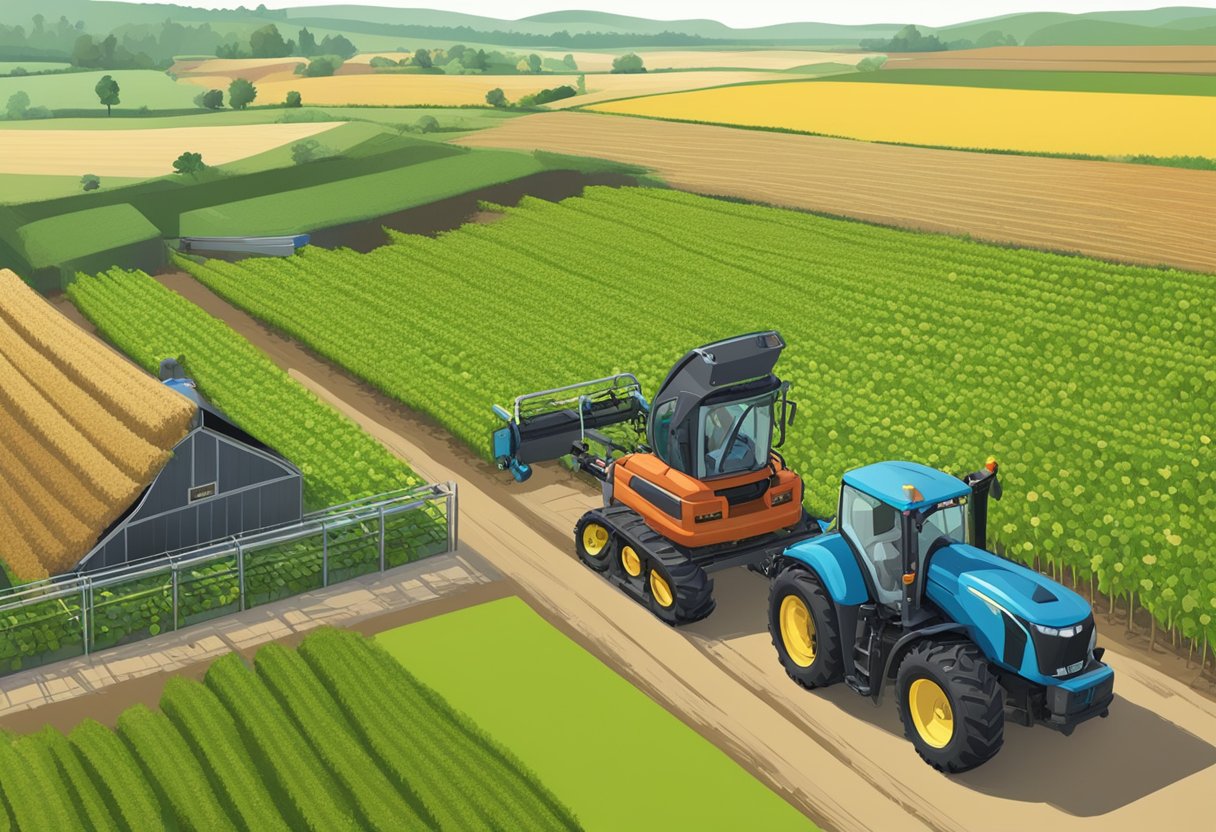
AI is making big changes in farming. It helps farmers make better choices by looking at data about weather, soil, and crops. AI-powered drones can check on crops from above. Smart watering systems use AI to figure out how much water plants need. Robots with AI can plant seeds, water crops, and pick fruits and vegetables.
What are the downsides of using AI on farms?
While AI has many benefits, it also has some problems:
- It can be expensive for small farms to buy and use.
- Farmers need to learn new tech skills.
- AI systems might make mistakes if they get bad data.
- There are worries about keeping farm data private.
- AI might replace some farm jobs.
How does AI help make farming better for the planet?
AI helps farmers use less water, fertilizer, and pesticides. This is good for the earth. Some ways AI does this:
- Smart watering systems that only use the water plants really need
- Robots that target weeds without spraying whole fields
- AI that tells farmers the best time to plant and harvest
- Systems that watch soil health and tell farmers how to improve it
What are some real AI farming projects making a difference?
- Precision agriculture uses AI to give farmers advice in real-time.
- AI-powered sensors that can spot plant diseases early.
- Drones with AI that can count plants and check crop health from the air.
- Robot harvesters that use AI to pick only ripe fruits and veggies.
What will AI farming look like in 10 years?
In the next 10 years, we might see:
- More robots doing farm work without humans
- AI systems that can handle whole farms by themselves
- Better weather forecasts using AI to help farmers plan
- AI that can make new crop types that grow better
- Smarter supply chains that use AI to get food to stores faster
What can you study to work on AI in farming?
If you want to work on AI in farming, you can:
- Study computer science with a focus on AI and machine learning
- Take agriculture courses that include tech and data science
- Look for special programs that mix farming and AI studies
- Join research projects at universities working on farm AI
- Take online courses about AI in agriculture





Leave a Reply