
Key Takeaways:
- GPS-guided tractors: Boost efficiency with auto-steering, which university research links to roughly 5-6% lower fuel use and reduced overlap on planting, spraying, and fertilizing passes.
- Drones: Enhance crop monitoring with aerial imaging, early pest detection, and yield prediction capabilities.
- Soil sensors: Optimize fertilizer use by tracking soil moisture and nutrient levels in real time.
- Smart irrigation systems: Save water and energy by delivering precise watering to areas that need it most.
- Precision sprayers: Reduce chemical waste and environmental impact by applying inputs only where needed.
- Smart silage and feed management: Improve livestock nutrition with GPS-guided harvesters, real-time quality sensors, and automated storage monitoring to reduce spoilage and boost feed efficiency.
Boost your farm’s efficiency and sustainability with advanced precision farming tools. GPS-guided tractors are game-changers, cutting fuel use and improving field work. These smart machines help you save money and time.
Key benefits of GPS tractors:
- Roughly 5-6% reduction in fuel consumption from GPS guidance and auto-steer, based on North Dakota State University survey research [1]
- Measurable gains in field efficiency from reduced overlap and skips; published estimates vary widely by field size and shape, generally in the single digits to low double digits [Needs verification for a single precise figure]
Explore other high-tech farm equipment to take your operation to the next level:
- Automated irrigation systems
- Drone crop monitoring
- Soil sensors
- Variable-rate seeders
These tools give you precise control over your farm, maximizing yields while minimizing resource use. Embrace the future of farming and watch your productivity soar.
Use of Technology in Agriculture: The Smart Revolution

Farming is changing fast with new smart tools. These tools use GPS to help farmers work better. They make planting and picking crops more exact. They also save money on sprays and fertilizers.
Smart farm gear does more than save cash. It helps grow more food that’s better quality. It’s also good for the earth. Farmers can use less water and chemicals with these new tools.
Here are some cool farm tech items:
- GPS-guided tractors
- Soil sensors
- Drone crop checkers
- Smart sprayers
These gadgets help you know your land better. You can see where your soil needs help. You can water only the dry spots. You can give plants just what they need, where they need it.
With this tech, you’re not just a farmer. You’re a high-tech farm manager. You use data to make smart choices. Your farm becomes more efficient and earth-friendly.
| Equipment Type | Key Benefits | Ideal Use Case |
|---|---|---|
| GPS-Guided Tractors | Auto-steering for accurate operations, roughly 5-6% fuel savings, and increased field efficiency. | Large-scale farms requiring precise fieldwork. |
| Drones | Real-time crop monitoring, pest detection, and yield prediction. | Farms needing aerial views for crop health analysis. |
| Soil Sensors | Monitor soil moisture and nutrient levels for optimal fertilization. | Any farm optimizing nutrient use and soil management. |
| Smart Irrigation Systems | Reduce water waste by targeting specific areas and timing irrigation. | Farms in water-scarce regions needing efficiency. |
| Precision Sprayers | Apply chemicals precisely, reducing environmental impact and costs. | Any farm using chemical applications in fields. |
GPS: The Heart of Smart Farming

GPS has become a game-changer in modern farming. It’s the key to many cutting-edge farming methods, letting you pinpoint exact spots and guide machines with amazing accuracy.
Here’s how GPS is changing the way you farm:
- Self-driving tractors: Your tractor can now steer itself within inches, cutting down on wasted time and resources.
- Smart spraying: Your equipment can change how much seed, fertilizer, or pesticide it uses based on GPS maps of your fields.
- Crop yield tracking: Your harvester can make detailed maps showing which parts of your field grew the most crops.
- Exact field borders: You can map out the edges of your fields perfectly, helping with planning and record-keeping.
GPS makes farming more precise and efficient. Many new farm machines come with GPS built-in, so it’s easy to start using this tech. By using GPS on your farm, you can boost your crop yields and save money on supplies.
Modern Water-Saving Farm Watering Systems

Smart watering systems are changing how farms use water. These new tools help you give crops just the right amount of water at the right time. This saves water and helps plants grow better.
You can choose from several types of smart watering systems:
- Drip lines: Put water right at the plant roots
- Smart sprayers: Check weather and soil to water at the best times
- Underground drip lines: Water below the ground to stop water loss
- Moving drip lines: Mix drip watering with big watering machines
These new systems can help you:
- Cut water use by up to 30%
- Grow healthier plants
- Lower your energy bills
When you’re looking at farm watering equipment, pick ones with these new features. They cost more at first but save money over time. They also help take care of the land and water.
Smart watering systems use things like soil sensors and weather info. This helps you water your crops in the best way. You’ll waste less water and your plants will grow better.
Drones and Remote Sensing in Farming
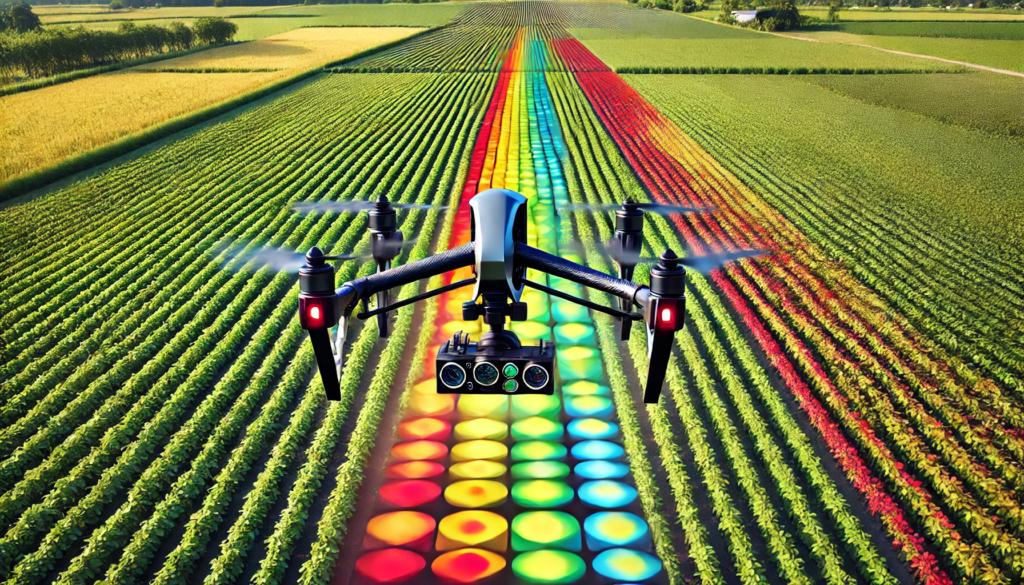
Drones are changing how you farm. These flying machines give you a new view of your fields from above. You can use drones to check on your crops in many ways:
- See how healthy plants are
- Spot pests or diseases early
- Check soil conditions
- Look at water use
- Guess how much you’ll harvest
When you combine drones with other smart farming tools, you get powerful insights. This helps you make better choices about how to care for your crops. With drones, you can farm smarter and more efficiently.
Smart Silage and Feed Management

Keeping your livestock well-fed is key to farm success. New tech can help you make better silage and forage. These tools boost quality and save time.
GPS-guided harvesters cut grass just right. They track how much you’re getting from each field. Baling machines wrap hay neatly without you lifting a finger.
To keep silage fresh, sensors watch heat and moisture in storage. This stops spoilage before it starts. When you’re harvesting, special scanners check feed quality on the spot.
These gadgets do more than make work easier. They help your animals get top-notch food. That means healthier livestock and more money in your pocket.
Smart tech can also help with pests. It can spot bugs or weeds early. This lets you deal with problems fast, using fewer chemicals. It’s good for your wallet and the earth.
Keeping Your Crops Fresh and Safe

Modern storage methods are key for keeping your crops in top shape after harvest. New tech helps create the perfect conditions for storing crops longer.
Here are some cool storage tools you can use:
- Smart bin monitors: These keep an eye on heat and dampness in your grain bins
- Special air systems: They control gases to make fruits and veggies last longer
- Smart air movers: These change airflow based on what’s happening outside and what your crops need
- Robot samplers: These check crop quality without you having to do it by hand
When you’re looking at farm gear to buy, don’t forget about new storage stuff. It’s a big part of running your farm well. Good storage can save you money by keeping more of your crops fresh and ready to sell.
Green Farming for the Future

Farming is changing to meet new challenges. You can use new tools to farm better while helping the planet. Smart machines and computers help you make good choices about your land.
Here are some ways to farm greener:
- Use special tools to dig less. This keeps your soil healthy.
- Put plant food only where crops need it. This saves money and stops waste.
- Use smart tech to find and stop pests. You’ll use fewer chemicals.
- Plant extra plants between seasons. This keeps your soil strong.
These methods help you:
- Save water and soil
- Use less chemicals
- Grow more food
- Keep your farm running for years to come
New farm tools can help you do all this. They use computers to make smart choices. You can track what your plants need and give them just that. This way, you take good care of your land and still grow lots of food.
Picking the Best Farm Vehicles and Tools
Choosing the right farm equipment is key for getting the most out of modern farming methods. When you’re shopping for farm machines, keep these things in mind:
- Can it work with GPS? Make sure it fits with the GPS tech you have or want to get.
- Is it strong enough? Pick a tractor that has the right power for your farm and the tools you’ll use.
- Does it save gas? Look for newer engines that don’t use as much fuel.
- Is it comfy? You’ll be in it for hours, so pick one that feels good to drive.
- Does it have smart features? New tractors often come with tech built in to help with precise farming.
Whether you buy new or used, make sure your picks fit with your goals for precise farming and can use the newest tech. This way, you’ll be ready to farm smarter and more efficiently.
Trying Out Farm Equipment: A Flexible Choice
Renting farm equipment gives you a chance to test new tools without spending a lot of money. You can try out different machines to see what works best for your farm. This is great when you need special equipment for just part of the year.
Renting also means you don’t have to pay for repairs or upkeep. You can use the newest farming tech without buying it yourself. Many places that sell farm equipment also rent it out. They often have:
- Tractors
- Plows and tillers
- GPS-guided tools
This way, you can keep your farm running smoothly and try new methods without breaking the bank.
Choosing Farmland for Advanced Agricultural Practices
When buying farmland, think about how well it can support modern farming methods. The land’s shape matters. Flat or gently sloping fields work best with new farm machines. Pay attention to the dirt too. Good soil that’s the same across the field helps crops grow evenly.
Look at the size and shape of the fields. Square or rectangular fields are easier to work with GPS-guided tools. Check if the land has good phone or internet service. This helps send important crop data.
Don’t forget about water. Make sure there’s enough clean water for smart watering systems. Here’s a quick list of things to look for:
- Flat or slightly sloping ground
- Even soil quality
- Regular field shapes
- Strong internet or cell signal
- Good water supply
Picking the right land can help you use the latest farming tech and get the most from your crops.
Comparing Precision Farming Tools
Precision farming equipment can boost your crop yield and farm productivity. Prices below are approximate market ranges only, since equipment cost varies widely by manufacturer, size, and whether it’s factory-installed or retrofitted onto existing machinery.
GPS-guided tractors:
- Auto-steering for accurate field operations
- Roughly $100,000 – $500,000 for a new tractor with a factory precision package; retrofit auto-steer kits for existing tractors run far less, generally in the low tens of thousands
- Best for large crop farms
- Improves fuel efficiency and reduces soil damage
Precision sprayers:
- Precise chemical application
- Roughly $50,000 – $200,000 depending on boom width and control system
- Suitable for all crop farms
- Cuts chemical use and environmental impact
Soil sensors:
- Monitor soil health in real-time
- Roughly $1,000 – $10,000 per field network, depending on sensor count and telemetry
- Useful for all farm types
- Optimizes fertilizer use
Drones:
- Crop monitoring with advanced imaging
- Roughly $5,000 – $50,000 depending on sensor payload and mapping software
- Ideal for medium to large farms
- Helps spot pests early
Smart irrigation:
- Weather-based watering schedules
- Roughly $10,000 – $100,000 per system depending on acreage and irrigation type
- Fits all irrigated farms
- Saves water and improves crop health
Choose the tools that fit your farm size and needs to boost efficiency and sustainability.
Getting Started with Precision Farming: Your Guide
Ready to upgrade your farm? Here’s how to bring precision farming to your fields:
Look at your farm
- What’s working?
- What needs help?
Pick your targets
- Lower costs?
- Bigger harvests?
Map your soil
- Get soil tests
- Make detailed maps
Get GPS for your machines
- Start with basic systems
- Add to tractors and tools
Use smart input spreading
- Match soil needs to spots
- Save money on seeds and fertilizer
Track your harvests
- Add yield monitors
- See which areas do best
Use farm software
- Collect all your data
- Find patterns and insights
Try new tech
- Add more tools as you learn
- Keep up with new ideas
Keep learning
- Read about new methods
- Talk to other farmers
Check and change
- Look at your results
- Tweak your plan as needed
Precision farming takes time to get right. Start small and build up. You’ll see benefits grow as you learn more. Remember, each farm is different. What works for you might not work for others. Be patient and keep trying new things. Your farm will thank you!
The Future of Farming with Precision
Precision farming is set to change dramatically in the coming years. New tech will make farms smarter and more efficient. You’ll see AI and machine learning help you make better choices about your crops. Your farm equipment will talk to each other through the internet, making everything run smoother.
Robots will do more work on your farm. They’ll plant seeds, pull weeds, and pick crops. This will save you time and money. You might even start growing food in tall buildings in cities.
Here are some key trends to watch:
- AI-powered decision making
- Connected farm equipment
- Robotic farm helpers
- Indoor farming in cities
- Better food tracking
These changes will help you:
- Use less water and chemicals
- Grow more food
- Protect the environment
- Deal with changing weather
Keep learning about these new tools. They’ll help your farm stay strong for years to come.
Future of Farming: Precision-Driven Practices
Precision farming is changing the game for farmers everywhere. By using smart tech and GPS, you can make your farm work better and be kinder to the earth. Think about using GPS tractors, smart water systems, and tools that watch your crops closely. These can help you farm smarter.
When you look at new farm gear, pick what fits your needs best. Start small and add new tech bit by bit. This works for all kinds of farms – grass, crops, or grapes.
Here’s what precision farming can do for you:
- Save money on water and fertilizer
- Grow more food on your land
- Be nicer to the environment
- Make smarter choices with data
Key benefits of precision farming:
- Less waste
- Better crop health
- Higher profits
- Easier planning
Farming is changing fast. By using these new methods, you’ll be ready for what’s next. Your farm can do more with less, which is good for you and the planet. It’s time to give precision farming a try and see how it can help your farm grow.
Common Questions About Precision Farming
What is precision farming?
Precision farming uses advanced tech to manage crops, fields, and animals. It helps farmers track and respond to changes in their farm using GPS, sensors, and data analysis. This approach makes farming more efficient and precise.
How does GPS help farmers?
GPS in farming lets equipment move and work with pinpoint accuracy. This means farmers can plant, spray, and harvest crops without wasting space or resources. It cuts down on overlap and saves money on things like seeds and fertilizer.
Can small farms use precision farming?
Yes, precision farming works for farms of all sizes. While some tools might cost a lot, there are cheaper options too. You can start with simple things like farming apps on your phone or basic tools to test your soil.
How do you begin with precision farming?
Look at your farm and think about where new tech could help the most. You might want to start with a basic GPS system to guide your equipment. As you get used to it, you can add more advanced tools over time.
What makes it hard to start precision farming?
The main issues are the cost of new equipment and learning how to use it. You’ll also need to figure out how to handle all the data you collect. But many farmers find that these problems are worth solving because the benefits are so good in the long run.
Is there financial help for precision farming?
You might be able to get loans or grants to help pay for precision farming tools. Check with farm organizations or government agencies to see what’s available. Some equipment companies also offer payment plans to make it easier to get started.
How does precision farming help the environment?
It lets you use less water, fertilizer, and pesticides because you can apply them exactly where they’re needed. This means less waste and less harm to the environment. It also helps protect the soil and can lead to better crop yields.
Can precision farming data be shared?
Yes, many farmers share their data to learn from each other. But it’s important to think about privacy and who owns the information. Make sure you understand any agreements before you share your farm’s data.
Are there standards for precision farming?
The industry is working on setting standards to make sure different tools and systems can work together. This will help farmers use equipment from different companies without problems.
What’s the future of precision farming?
Experts think precision farming will keep growing. New ideas like robot farm helpers and better ways to predict the weather are coming. Farming schools and companies are working hard to make new tools that will help you farm even better in the future.
Common Questions About Precision Farming Tools
What precision tools do farmers use today?
Farmers use many high-tech tools for precision agriculture. These include:
- GPS-guided tractors and harvesters
- Drones for crop monitoring
- Soil sensors to measure moisture and nutrients
- Variable-rate seeders and sprayers
- Yield mapping systems
These tools help farmers manage their fields more efficiently.
How does precision farming help the environment?
Precision farming helps make agriculture more sustainable by:
- Reducing water waste through targeted irrigation
- Lowering chemical use with precise application
- Minimizing soil compaction from equipment
- Cutting fuel use and emissions
- Improving crop yields on existing farmland
This approach lets farmers produce more food with fewer resources.
What tech improves sustainable farming?
Key technologies for sustainable farming include:
- Smart sensors to monitor soil and crop health
- AI and machine learning for data analysis
- Robotics for precise planting and harvesting
- Internet of Things (IoT) devices for real-time field data
- Cloud computing for storing and processing farm data
These technologies help farmers make smarter decisions about their crops and land use.
What are the main advantages of precision farming?
Precision farming offers several benefits:
- Higher crop yields
- Lower input costs
- Reduced environmental impact
- Better farm management decisions
- Improved crop quality
- More efficient use of resources
These advantages help farmers boost productivity while protecting the environment.
Which companies make precision farming tools?
Some leading companies in precision agriculture include:
- John Deere – A global leader in precision agriculture, offering GPS-guided tractors, advanced harvesters, and farm management software.
- AGCO Corporation – Known for its brands like Fendt and Massey Ferguson, providing precision farming tools like seeders, sprayers, and smart tractors. AGCO’s precision ag portfolio is now branded PTx, and since April 2024 includes PTx Trimble, a joint venture in which AGCO holds an 85% stake and Trimble holds 15%, combining Trimble’s former standalone agriculture business with AGCO’s technology.
- CNH Industrial – Operating in the U.S. under brands like Case IH and New Holland, offering cutting-edge precision agriculture solutions. CNH Industrial acquired Raven Industries, the former Sioux Falls, South Dakota-based precision ag and autonomy specialist, in November 2021; Raven’s guidance, application control, and autonomy technology is now integrated into CNH Industrial’s precision ag lineup rather than sold as an independent brand.
- Topcon Agriculture – Specializes in precision guidance systems, yield mapping, and variable-rate technology, with a strong U.S. presence.
- Climate FieldView (Bayer) – Offers a digital agriculture platform for real-time field monitoring and data-driven insights, and remains an active Bayer product line.
- Sentera – A Minneapolis-based company providing drones, sensors, and analytics for precision farming.
- Ag Leader Technology – Specializes in precision agriculture hardware and software for planting, harvest monitoring, and data management.
- Valley Irrigation (Valmont Industries) – A leader in smart irrigation systems designed to optimize water use in the U.S. farming landscape.
- Farmers Edge – Originally Canadian, it operates in the U.S. offering data management and analytics for precision farming. The company was taken private in March 2024 through an acquisition by its majority shareholder, Fairfax Financial Holdings, and continues to operate under that ownership.
These firms offer a range of precision tools and technologies for modern farming.
What farming methods use precision equipment well?
Effective sustainable farming techniques using precision equipment include:
- No-till farming
- Cover cropping
- Crop rotation
- Integrated pest management
- Precision irrigation
- Variable rate technology for inputs
These methods, combined with precision tools, help farmers grow more food with less impact.
What equipment is essential for modern farming?
Must-have equipment for modern farms includes:
- GPS-enabled tractors
- Precision planters and seeders
- Smart irrigation systems
- Drones or satellite imaging tools
- Farm management software
- Soil testing and mapping tools
This equipment helps small and large farms alike improve their operations.
What’s the top irrigation system for farms?
The best irrigation system depends on the farm’s needs, but popular options include:
- Center pivot systems
- Drip irrigation
- Subsurface drip irrigation
- Sprinkler systems
Each system has its pros and cons based on crop type, field size, and water availability.
Which irrigation method is most precise?
Drip irrigation is often considered the most precise and efficient method. It delivers water directly to plant roots, reducing waste and improving crop health.
What irrigation technique do US farmers use most?
Center pivot irrigation is widely used in the US, especially for large fields. It’s known for its efficiency and ability to cover large areas with relatively low labor needs.
Sources
[1] Rutledge, T. et al. “Energy savings by adopting precision agriculture in rural USA.” Energy, Sustainability and Society. Survey-based North Dakota State University research finding GPS guidance and auto-steer systems reduced tractor fuel use in the range of roughly 5-6%.




Leave a Reply